About Teicoplanin TEI 30 mcg
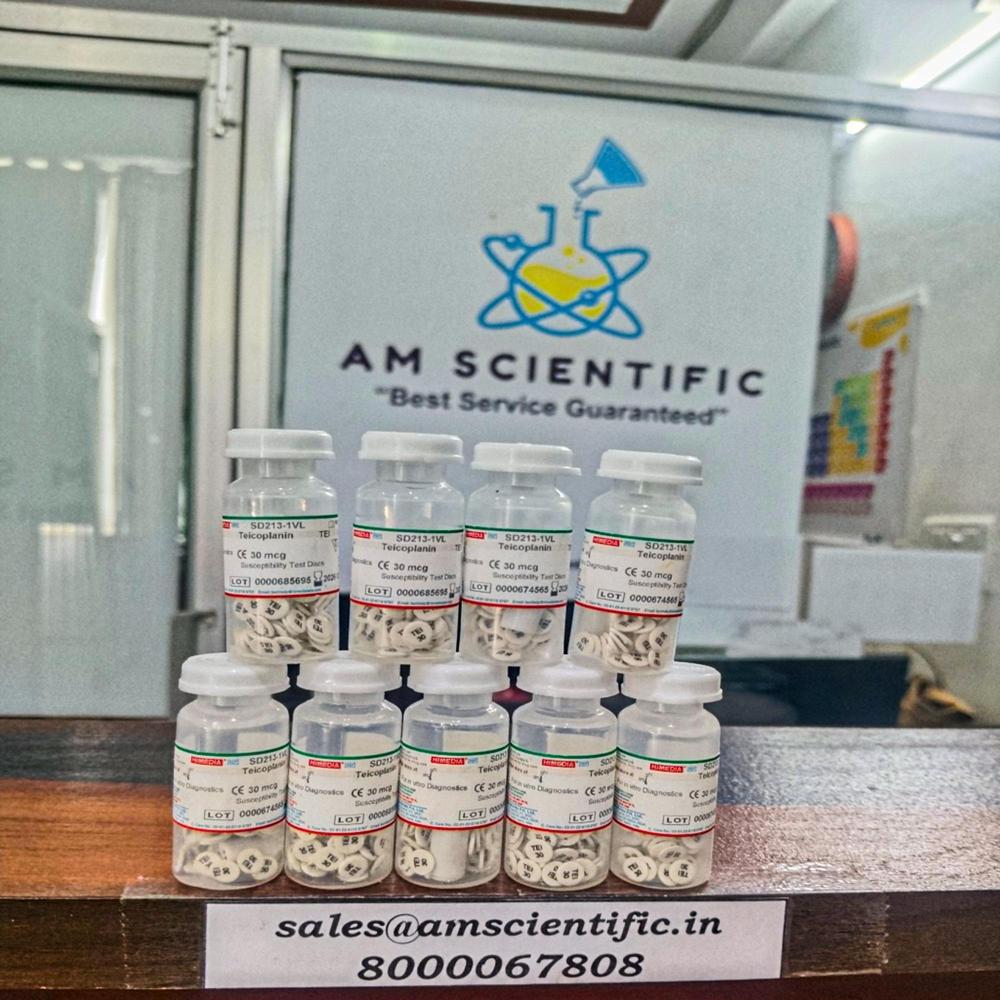
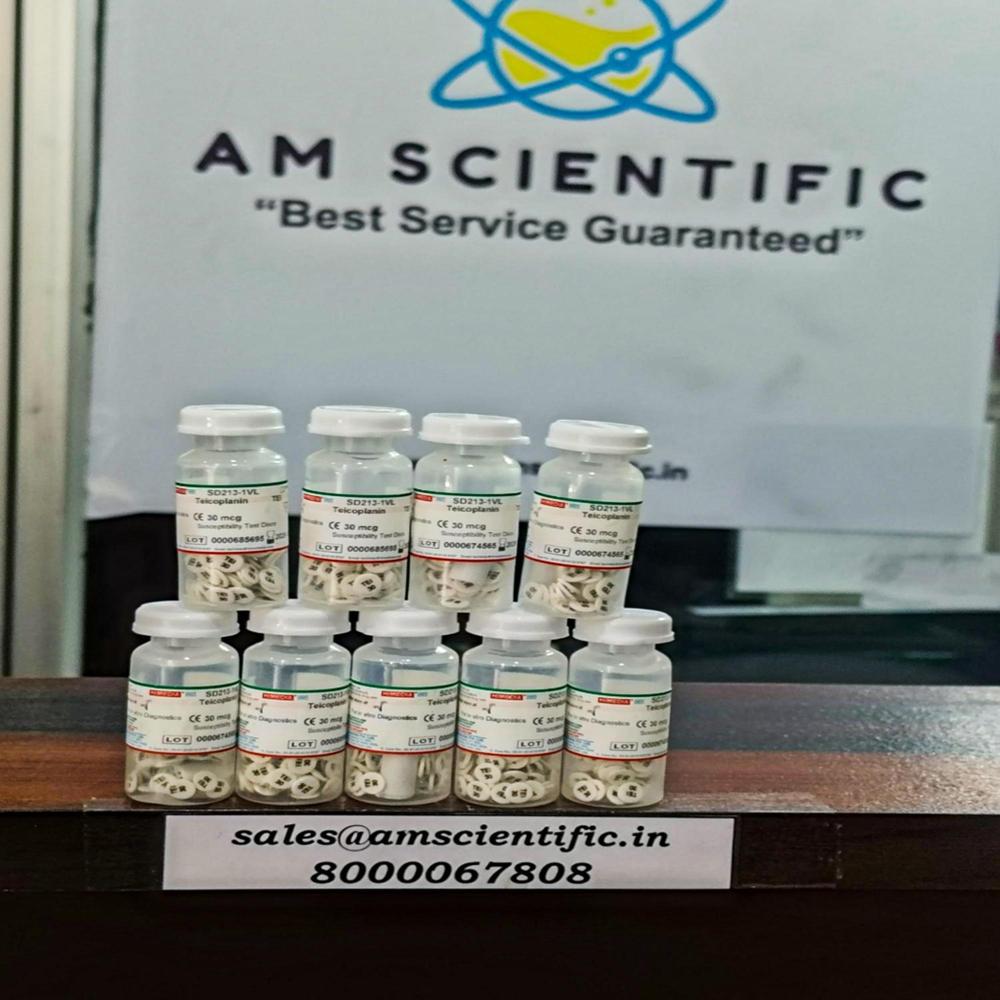
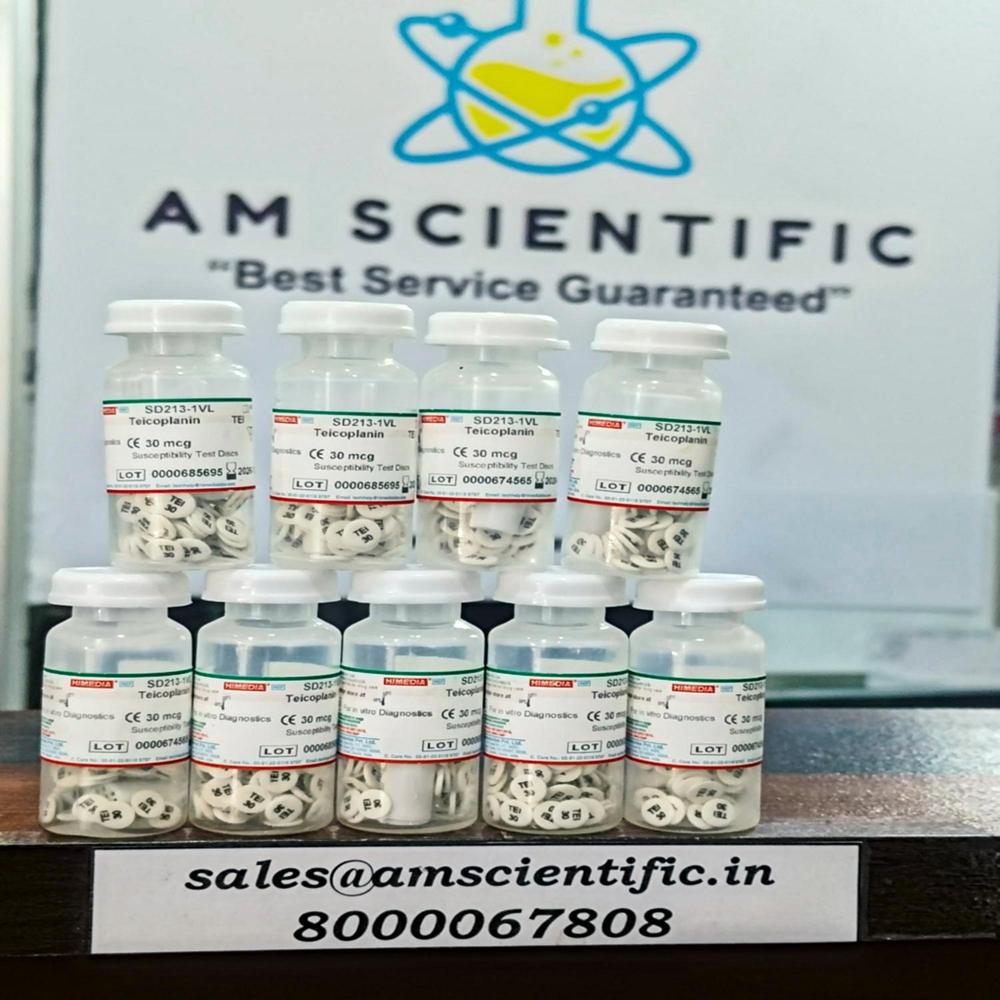
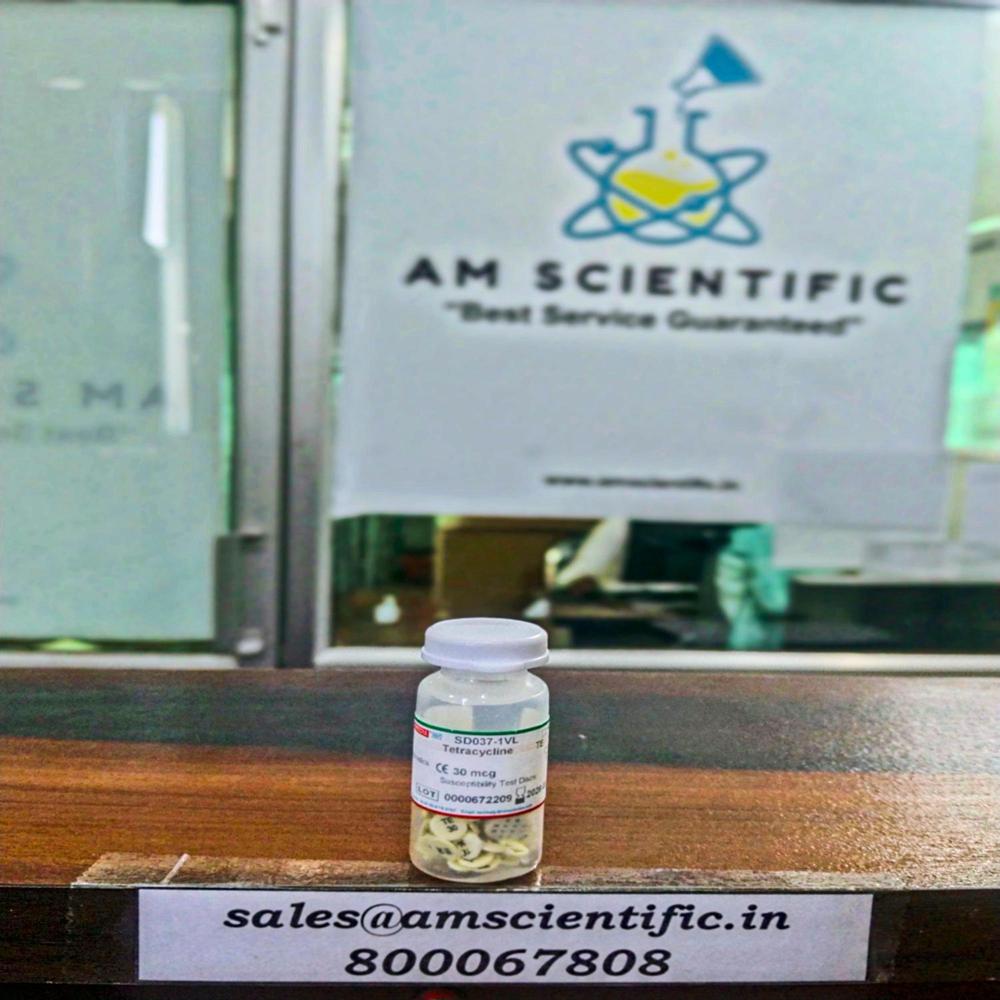
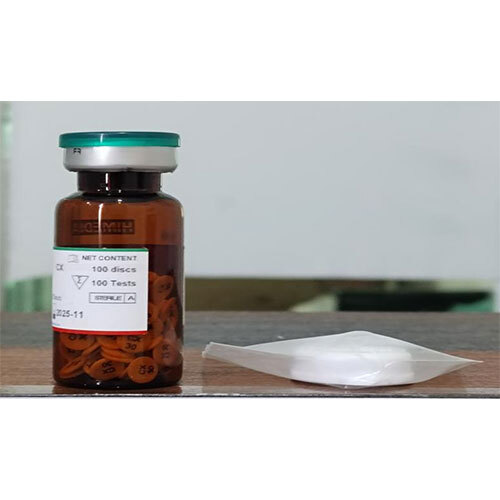
Teicoplanin TEI 30 mcg is a filter paper disc used for antimicrobial susceptibility testing of bacterial cultures, specifically by the Kirby-Bauer method. Each disc contains 30 mcg of teicoplanin, a glycopeptide antibiotic. The discs are used to determine which antimicrobial agents are effective against a particular bacterial isolate. Intended Use:
- Antimicrobial Susceptibility Testing: The primary purpose is to assess the susceptibility of bacteria to teicoplanin using the disk diffusion method, which is a common technique for determining antibiotic effectiveness.
Key Features:
- Disc Composition: A filter paper disc with a 6.0 mm diameter.
- Teicoplanin Concentration: Each disc contains 30 mcg of teicoplanin.
- Printing: The discs are printed with "TEI 30" on both sides for easy identification, according to Microxpress.
- Mechanism of Action: Teicoplanin inhibits bacterial cell wall synthesis by preventing the formation of the bacterial cell wall, which is essential for bacterial survival.
- Spectrum of Activity: Teicoplanin is effective against a variety of Gram-positive bacteria, including methicillin-resistant Staphylococcus aureus (MRSA) and Enterococcus faecalis.
In summary, Teicoplanin TEI 30 mcg discs are a tool used in microbiology labs to determine the effectiveness of teicoplanin against bacterial cultures, helping to guide antibiotic treatment decisions. Precision in Antimicrobial TestingTeicoplanin TEI 30 mcg discs provide reliable results in antimicrobial susceptibility testing. By using the Kirby-Bauer method, laboratories can accurately determine if bacterial isolates are sensitive or resistant to teicoplanin, aiding in the selection of appropriate antibiotic therapies.
Optimized Design and Easy IdentificationFeaturing a 6.0 mm filter paper disc and printed with "TEI 30" on both sides, these discs ensure accuracy and prevent confusion during laboratory procedures. The clear labeling supports seamless workflow in both high-throughput and routine testing environments.
Broad Efficacy for Critical PathogensTeicoplanin is effective against significant Gram-positive organisms, including MRSA and Enterococcus faecalis. Utilizing these discs helps clinical microbiology labs stay proactive by appropriately screening for bacterial resistance and guiding optimal therapeutic choices.
FAQ's of Teicoplanin TEI 30 mcg :
Q: How are Teicoplanin TEI 30 mcg discs used in antimicrobial susceptibility testing?
A: These discs are placed on agar plates inoculated with bacterial cultures. After incubation, the zone of inhibition around each disc is measured to determine the bacteria's susceptibility or resistance to teicoplanin.
Q: What bacterial strains can be tested using Teicoplanin TEI 30 mcg discs?
A: The discs are primarily used to test Gram-positive bacteria, including methicillin-resistant Staphylococcus aureus (MRSA) and Enterococcus faecalis, for their susceptibility to teicoplanin.
Q: When should I use a Teicoplanin TEI 30 mcg disc in the laboratory?
A: Use these discs during routine antimicrobial susceptibility testing when you need to evaluate if a Gram-positive bacterial isolate can be effectively treated with teicoplanin.
Q: Where are Teicoplanin TEI 30 mcg discs typically utilized?
A: These discs are mainly employed in clinical microbiology laboratories, research facilities, and diagnostic centers to guide therapy decisions and monitor bacterial resistance.
Q: What is the process for interpreting the results from Teicoplanin TEI 30 mcg discs?
A: After incubation, measure the diameter of the clear zone (zone of inhibition) around the disc. Compare the measurement to standardized interpretive charts to categorize the bacterial isolate as susceptible, intermediate, or resistant.
Q: How does teicoplanin work against bacteria?
A: Teicoplanin inhibits the synthesis of the bacterial cell wall, which is vital for bacterial survival, thereby exerting its antimicrobial effects against susceptible bacteria.
Q: What are the benefits of using Teicoplanin TEI 30 mcg discs in laboratory practice?
A: They offer a standardized, fast, and reliable method to determine bacterial susceptibility, assisting clinicians in selecting effective antibiotic treatments and controlling the spread of resistant strains.








 Send Inquiry

 Send Inquiry
 Send SMS