

Call us now
08045816411
Call us now
08045816411

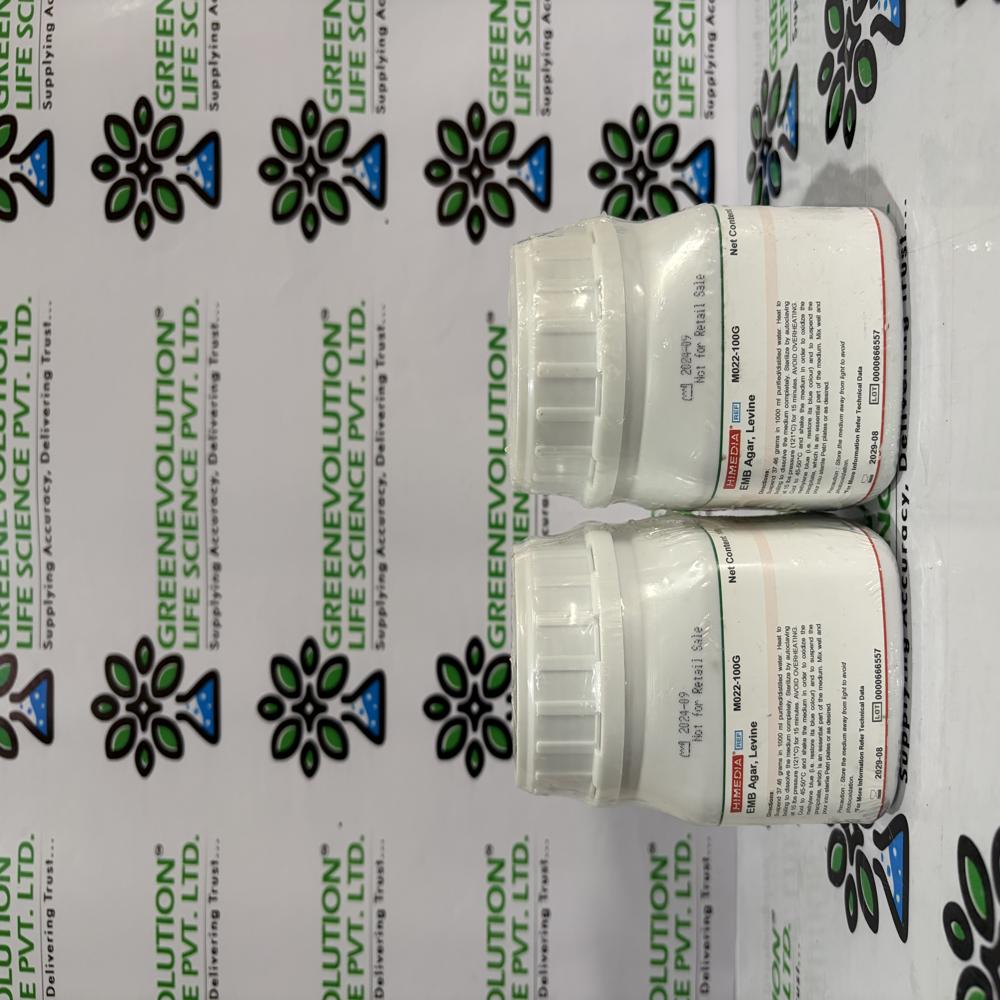
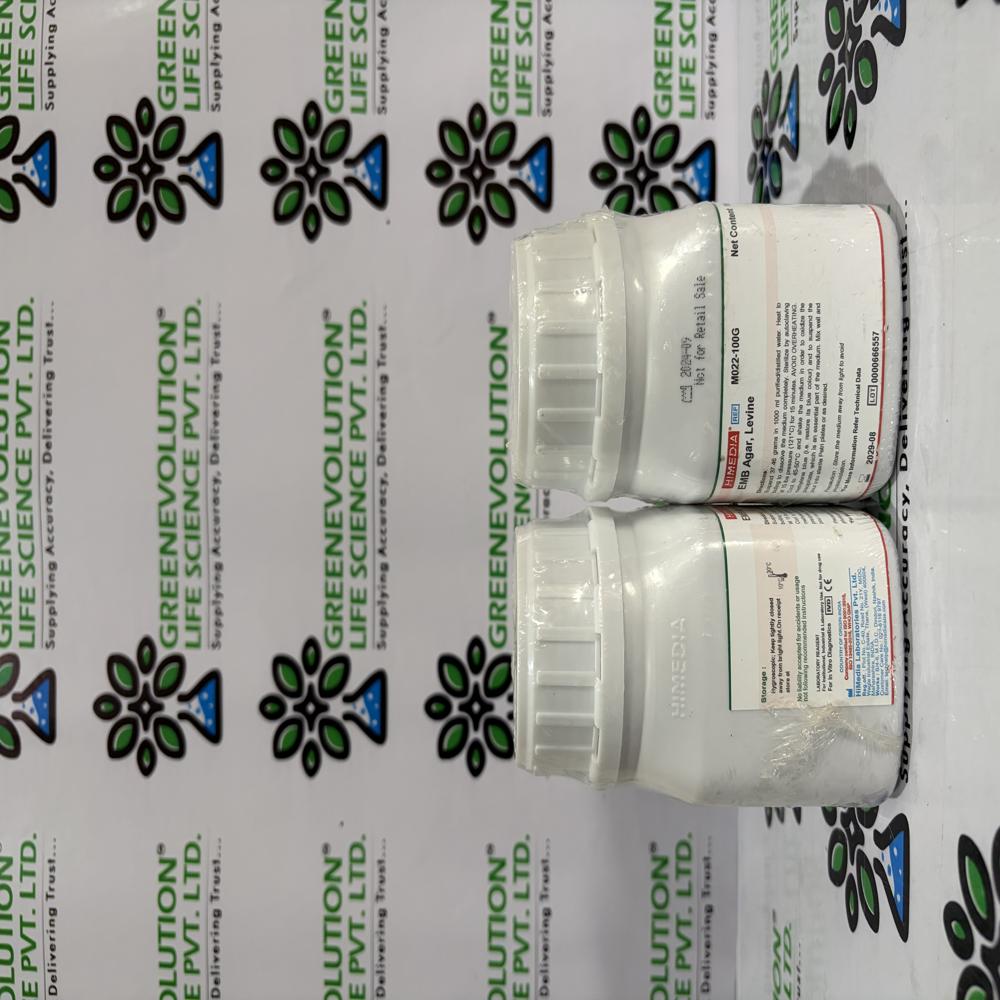
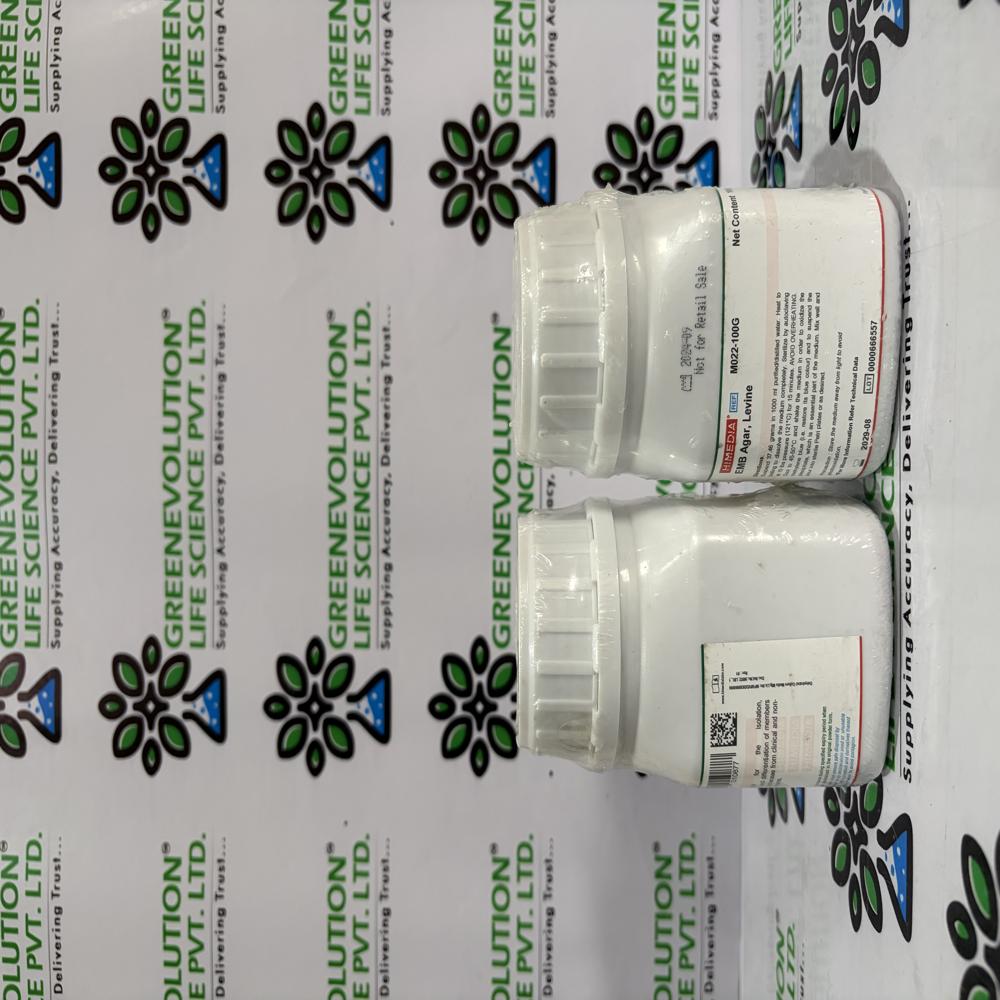
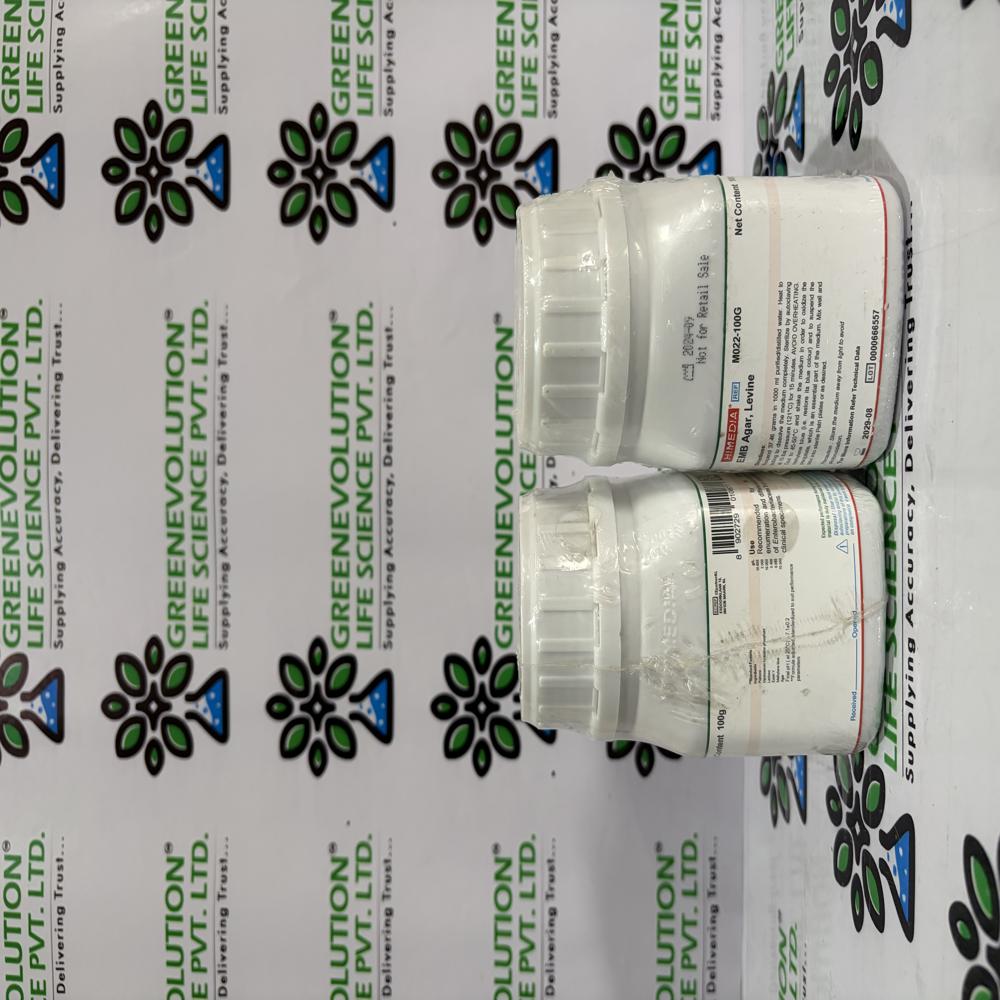
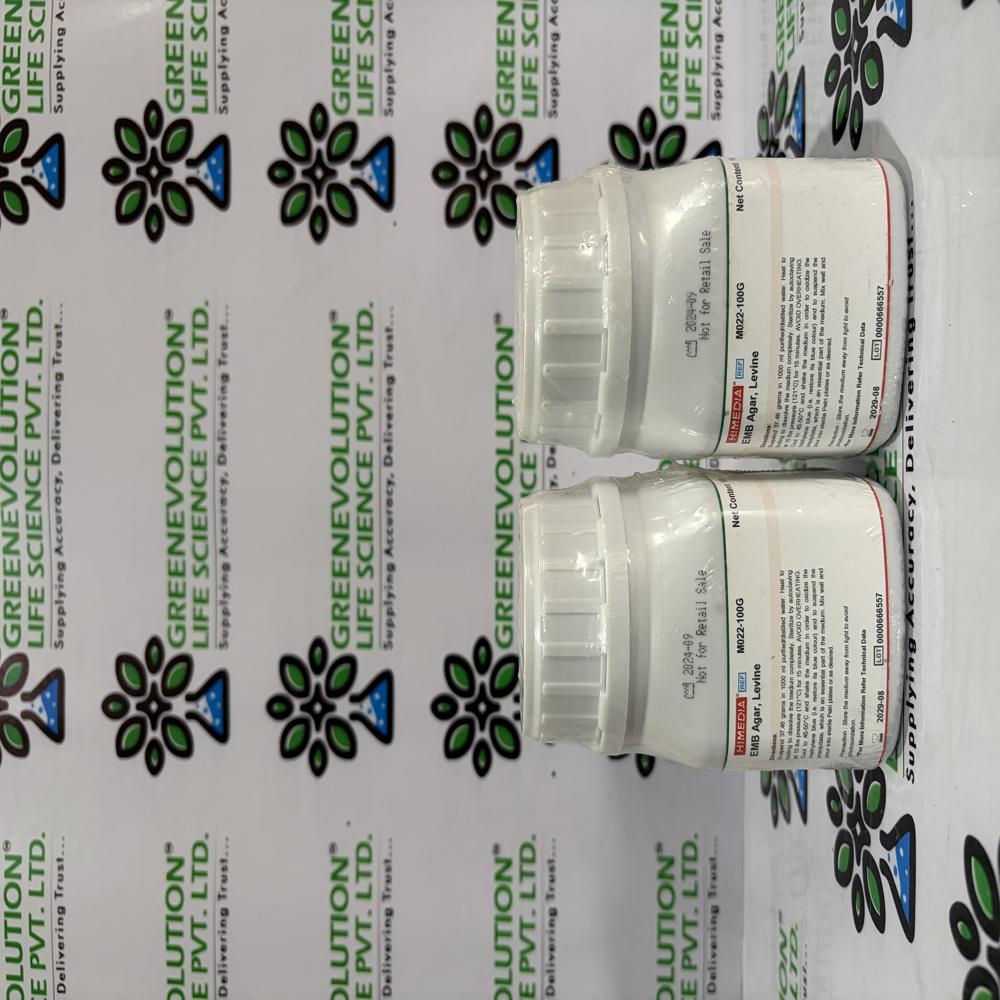
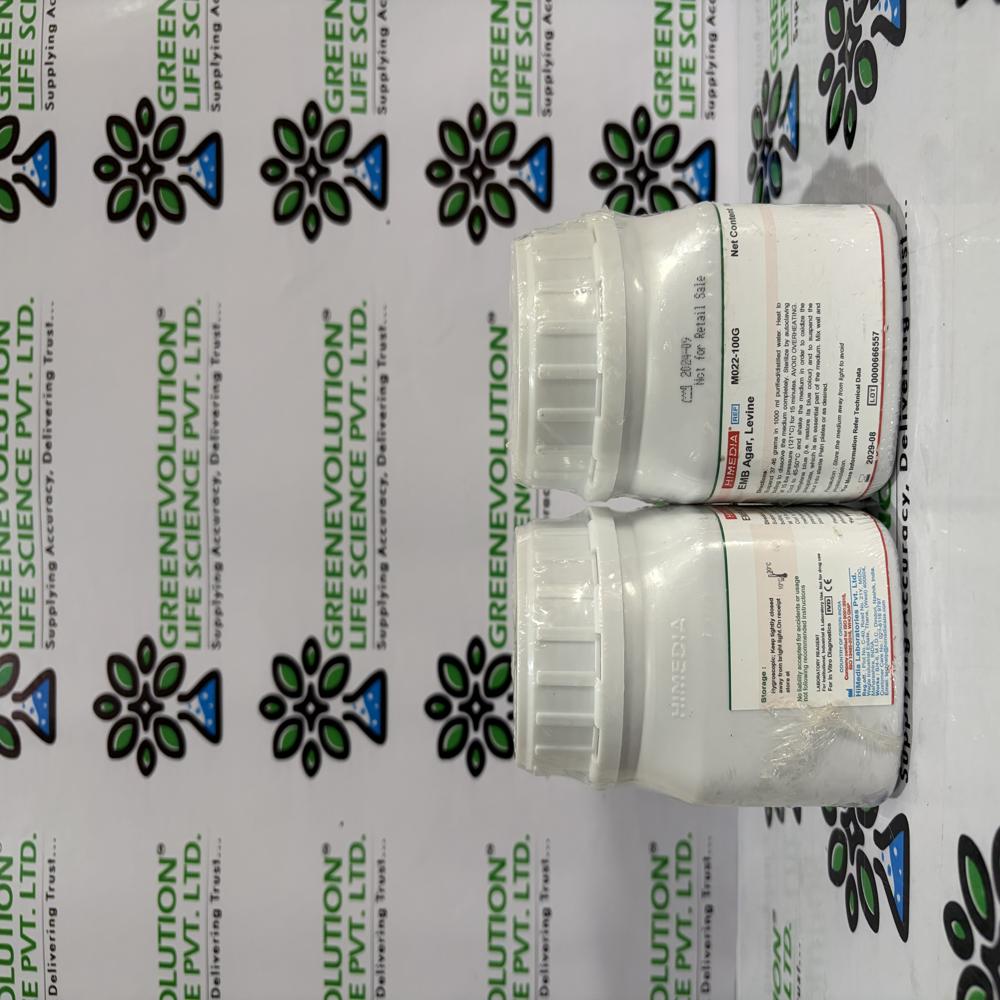

Price:
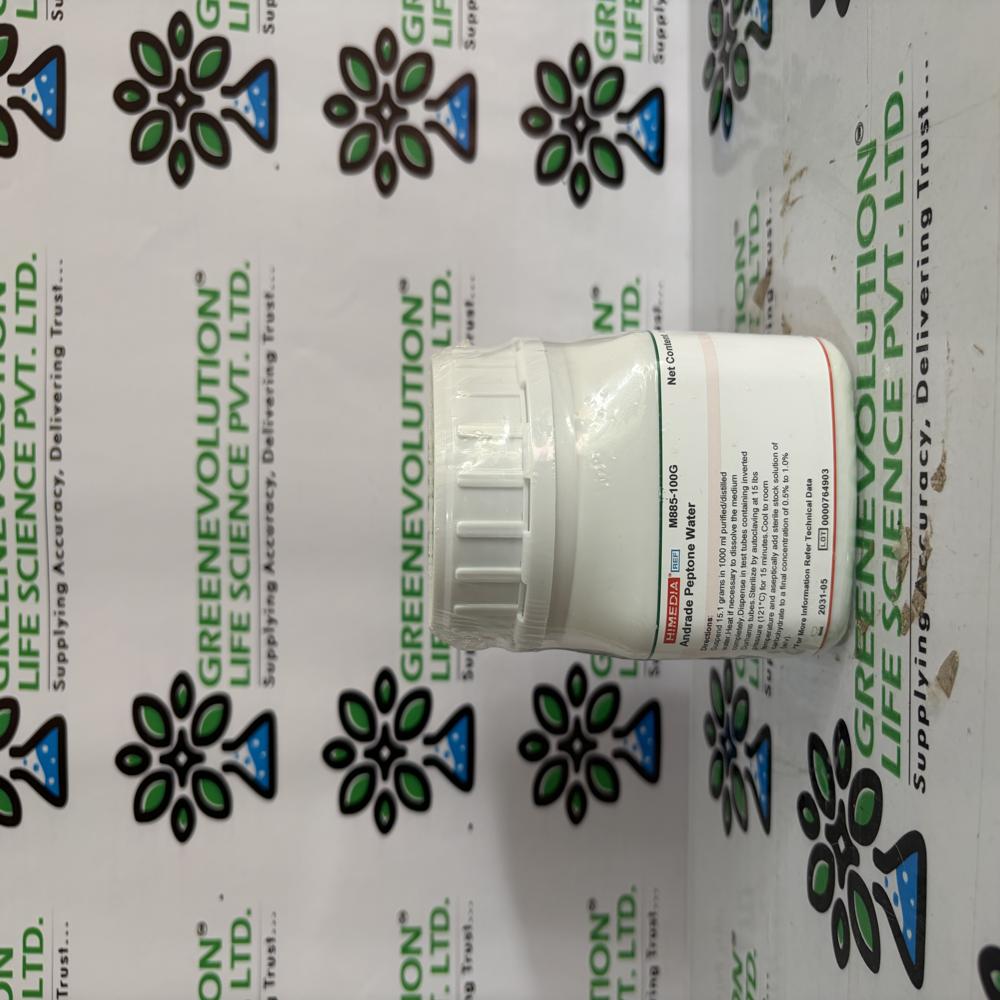
Price 1363.0 INR / Kilograms
Minimum Order Quantity : 1 Kilograms
Size : Not specified
Appearance : Cream to yellow coloured powder with pink tinge
Usage : Carbohydrate fermentation testing
Application : Microbiological culture and carbohydrate fermentation testing
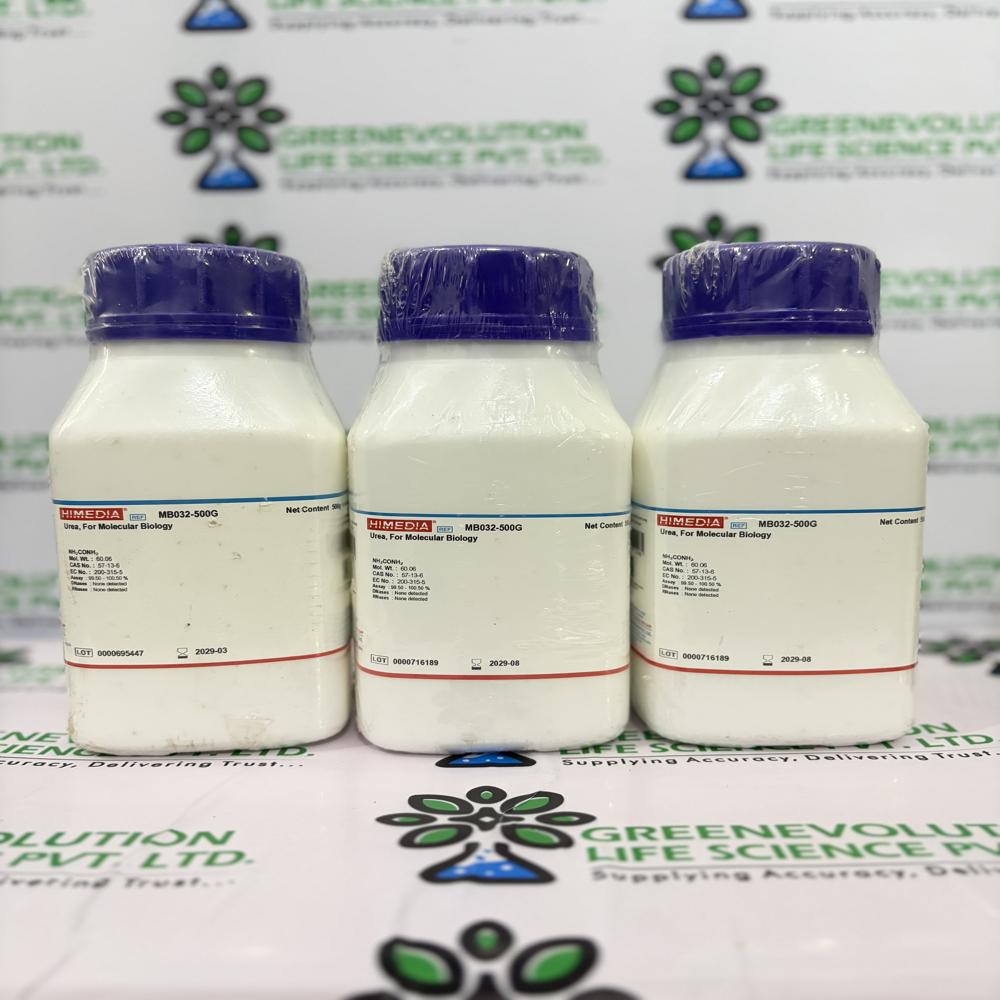
Price 8885.00 INR / Piece
Minimum Order Quantity : 1 Piece
Size : 500 g
Appearance : White crystalline powder or crystals
Usage : Laboratory
Application : Laboratory
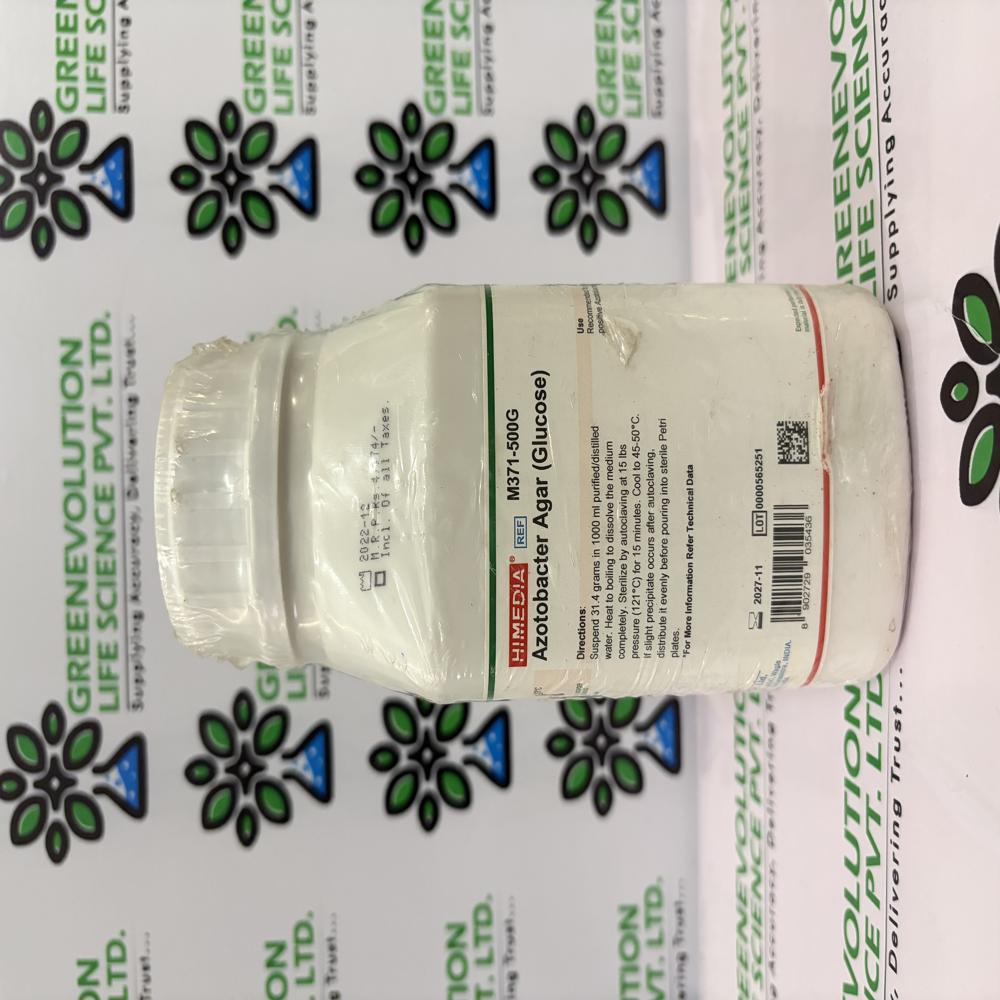
Price 4915.0 INR / Kilograms
Minimum Order Quantity : 1 Kilograms
Size : 500 g
Appearance : Homogeneous, free flowing powder
Usage : For laboratory use only
Application : For isolation and cultivation of Azotobacter species (primarily from soil specimens)
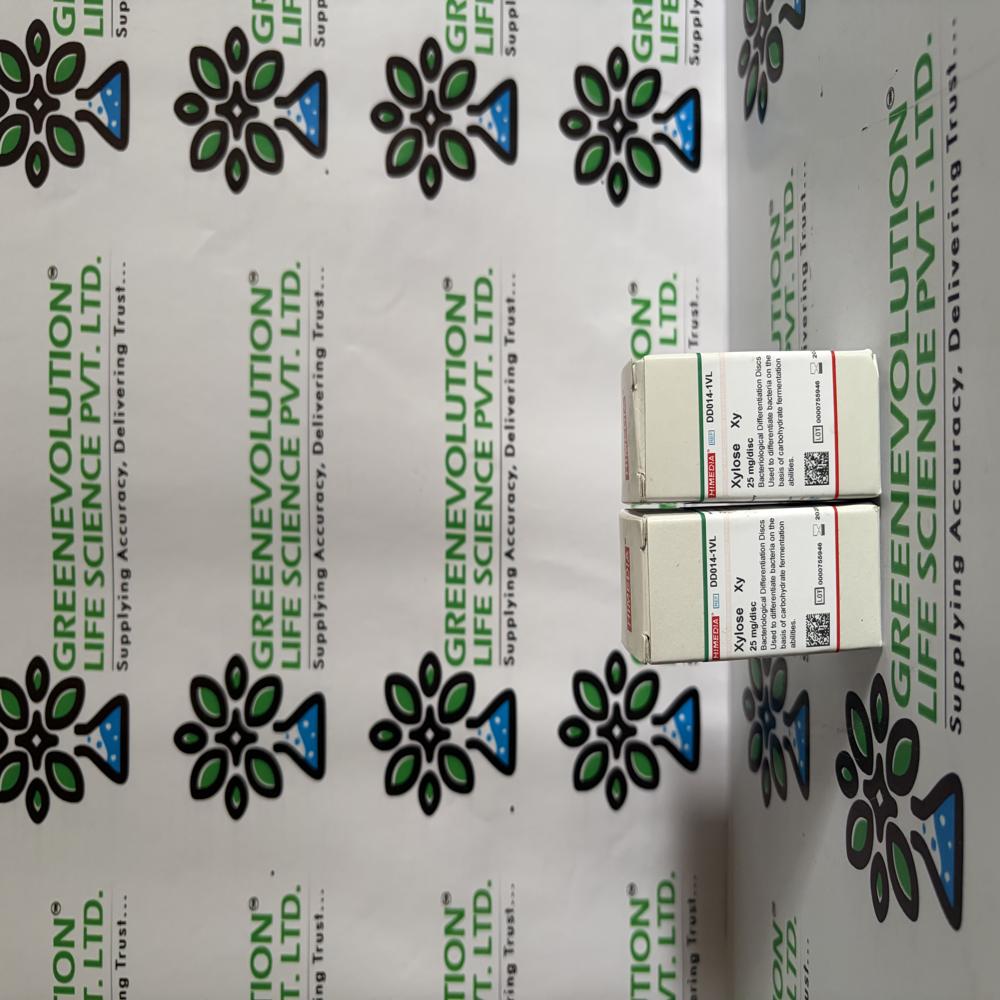
Price 285.0 INR / Piece
Minimum Order Quantity : 1 Piece
Size : As per Availability
Appearance : Colourless or White to OffWhite Crystals / Powder / Needles
Usage : Used as a carbohydrate, reducing sugar and laboratory reagent; also used in microbiological culture media and biochemical studies
Application : Laboratory, Microbiology, Biochemical and Research Applications


 Send Inquiry


 Send Inquiry


 Send Inquiry
 Send SMS
