About Dialysis Membrane 135 Himedia
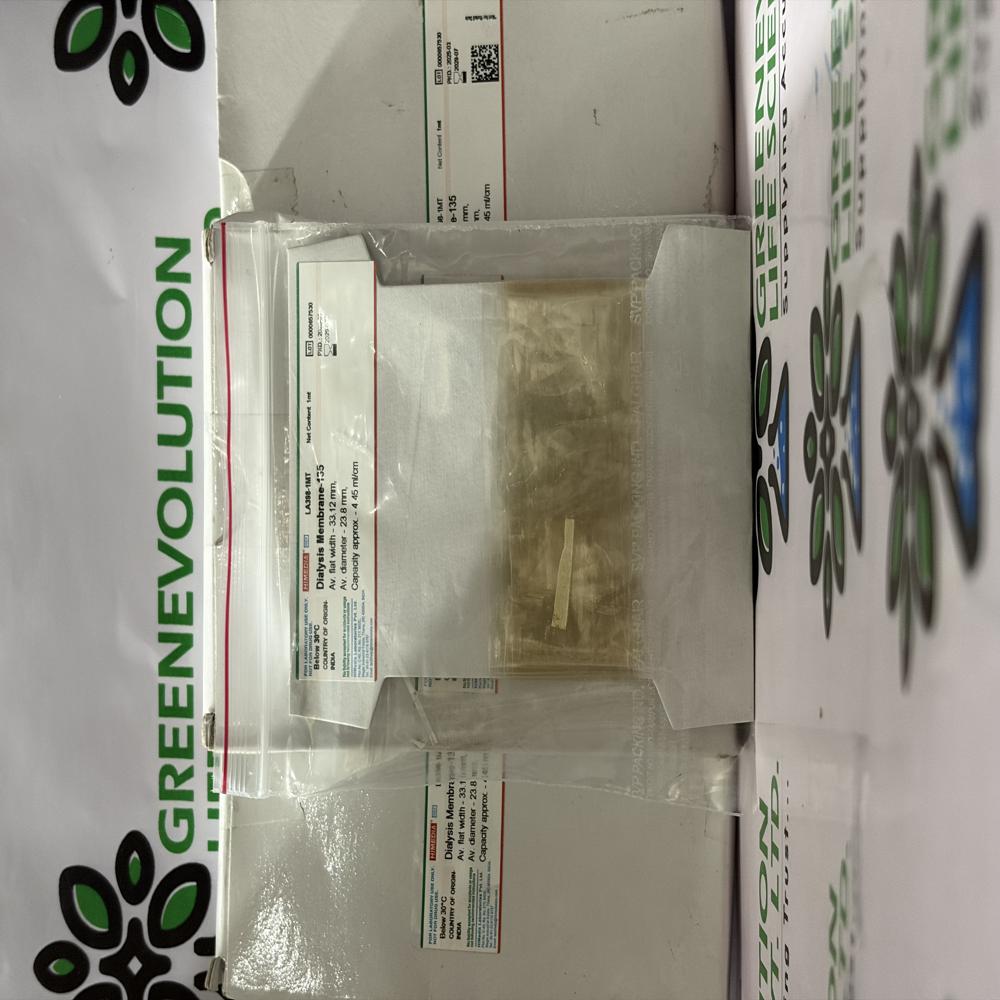
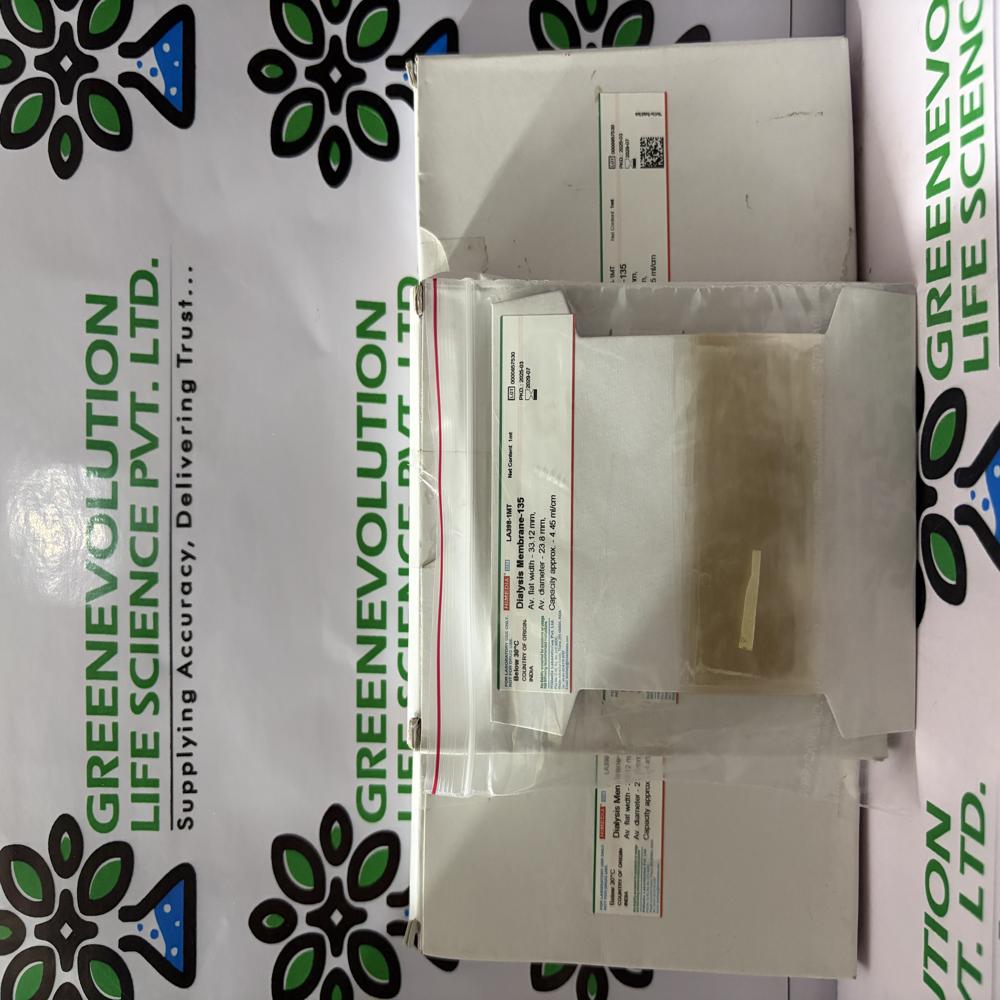
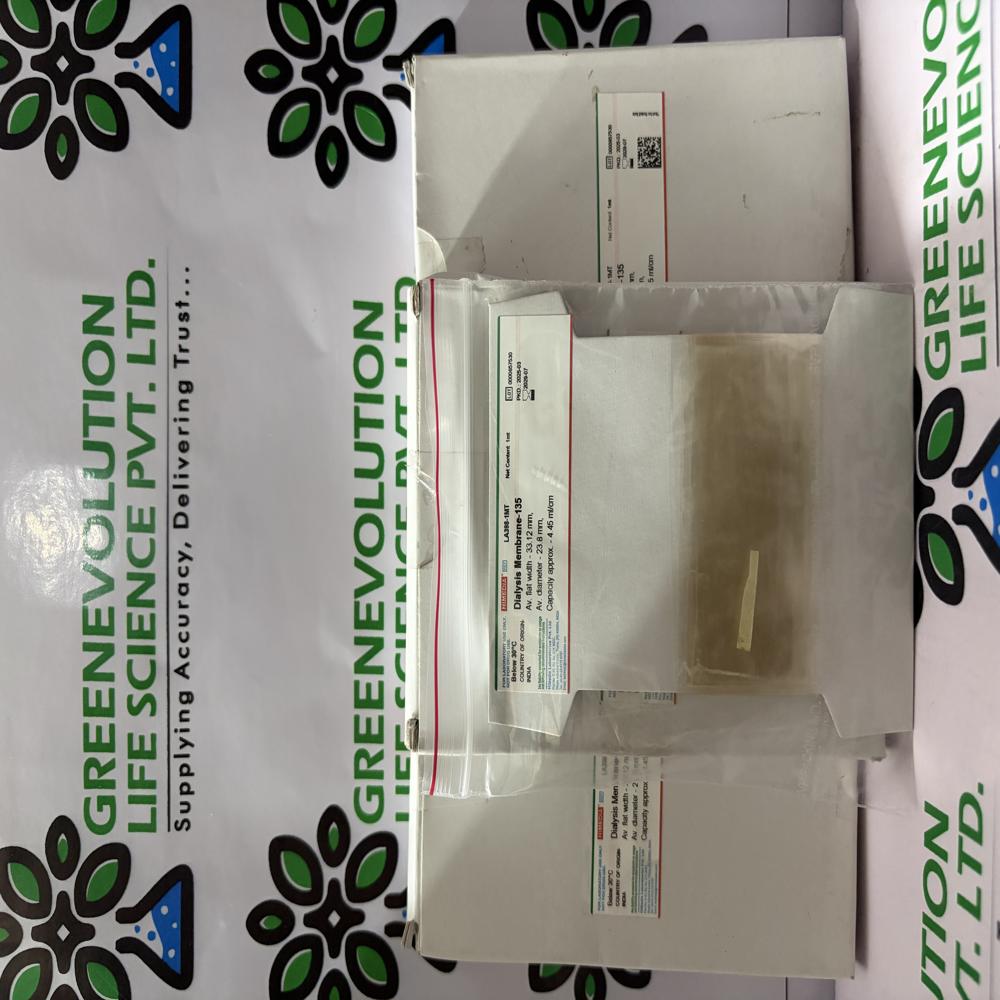
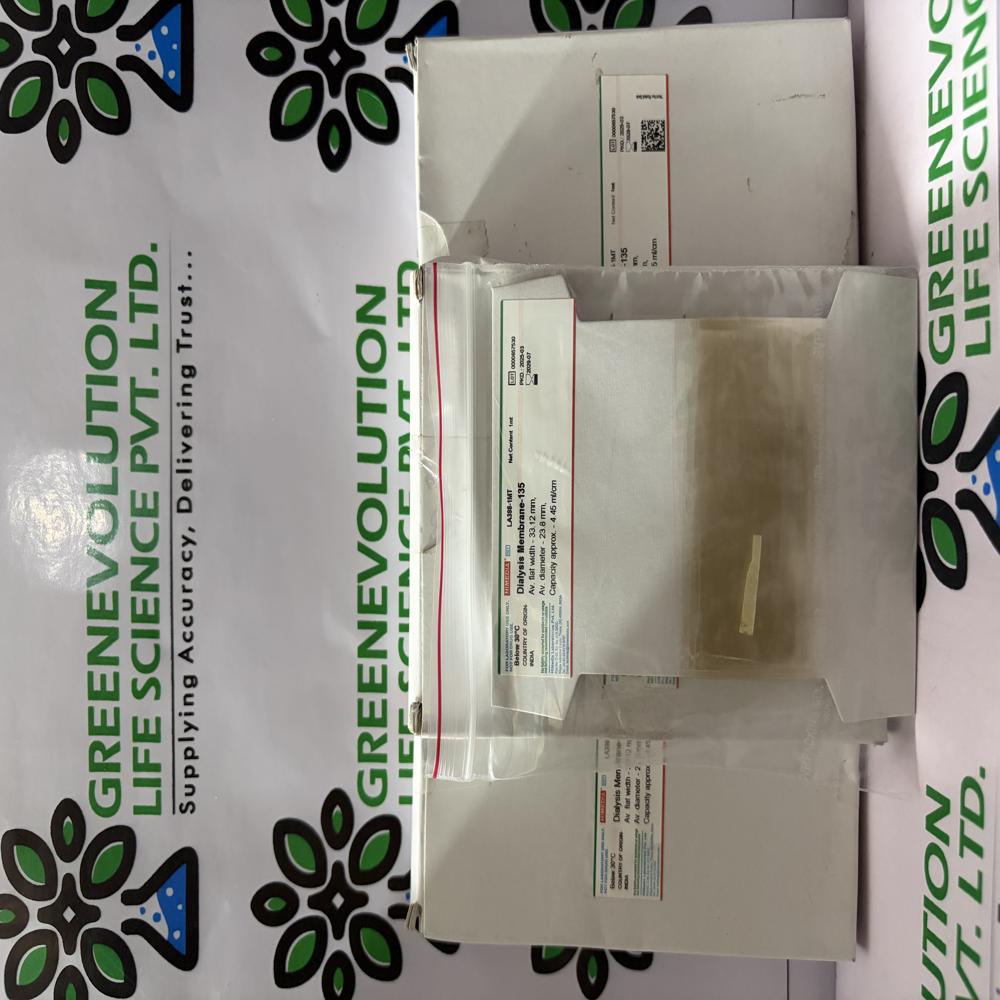
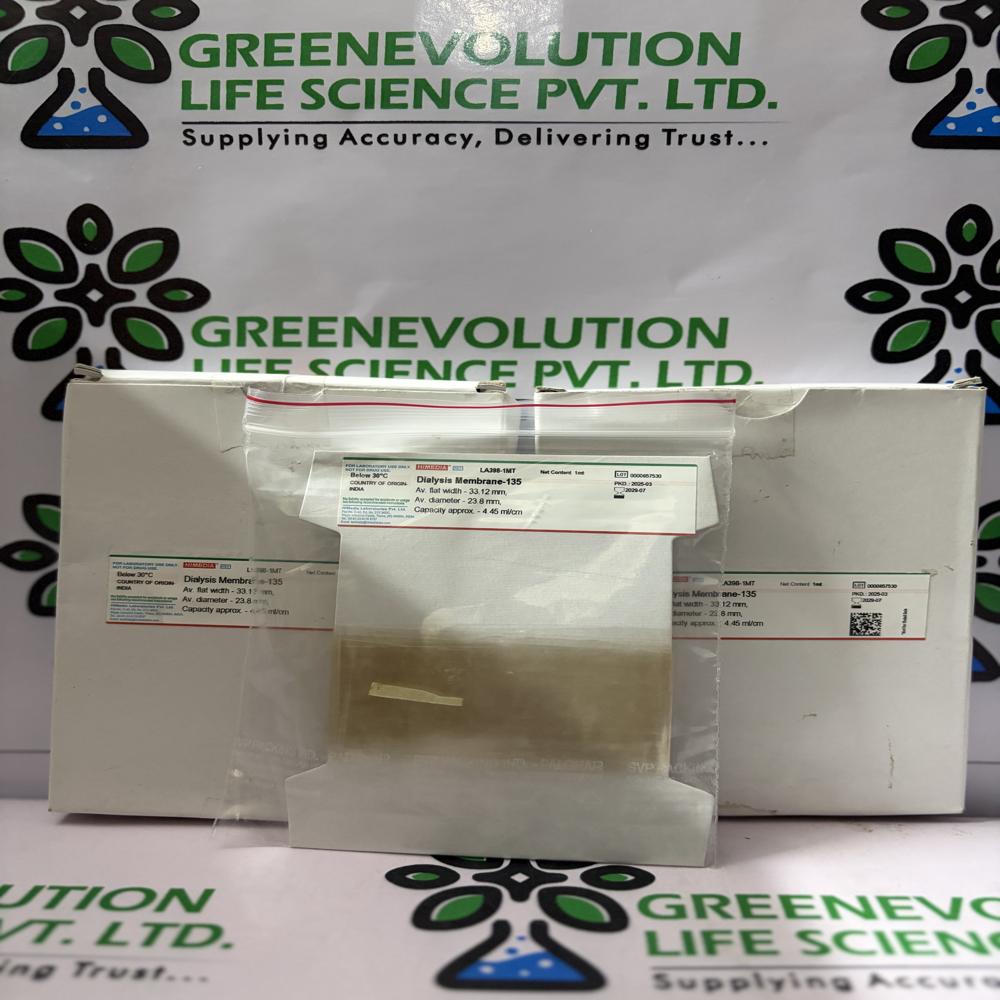
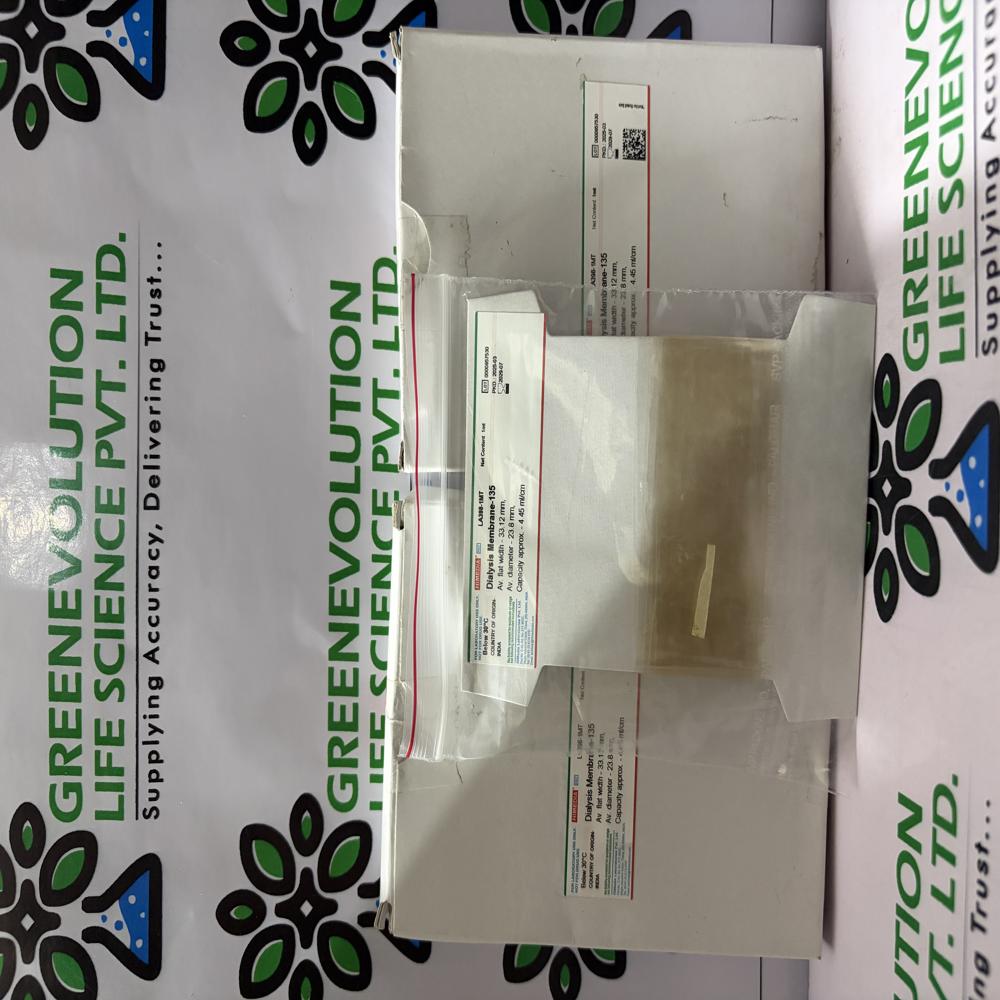
LA398 Dialysis Membrane-135 ka description:
- Product Name: Dialysis Membrane-135
- Brand: HiMedia
- Material: Regenerated seamless cellulose tubing
- Type: Partially permeable dialysis membrane
- MWCO: 12,00014,000 Dalton
- Pore size: 2.4 nanometer
- Flat width: 33.12 mm
- Diameter: 23.8 mm
- Capacity: Approx. 4.45 ml/cm
- Use: Filtration, osmosis, protein/sample dialysis work in molecular biology labs.
Efficient Separation with PrecisionThe Himedia Dialysis Membrane 135 offers high precision in separating macromolecules from small molecules or salts. Its MWCO of 12,000 to 14,000 Daltons provides optimal performance for protein purification and nucleic acid work. This membrane is ideal for exchanging buffers or removing unwanted low molecular weight components from samples.
User-Friendly Format for Laboratory ConvenienceSupplied as a tubular membrane in 10-meter rolls, the product adapts easily to varied experimental scales. The transparent, flat tubing allows for easy visual inspection, and the packaging in resealable pouches ensures preservation and minimal contamination risk during storage.
FAQ's of Dialysis Membrane 135 Himedia:
Q: How should the Himedia Dialysis Membrane 135 be prepared before use?
A: Before use, rinse the membrane thoroughly with distilled water to remove any preservatives. If further cleaning is needed, follow your protocols for dialysis membranes. The membrane can then be loaded with your sample for dialysis against the appropriate buffer.
Q: What types of molecules can be separated using this dialysis membrane?
A: This membrane is designed for the separation of macromolecules such as proteins and nucleic acids from salts and small molecules. With a MWCO of 12,000-14,000 Daltons, it efficiently retains biomolecules above this weight while allowing smaller molecules to pass through.
Q: When is it beneficial to use this dialysis tubing in experimental workflows?
A: Use the membrane during buffer exchange, desalting, or purification processes involving proteins or nucleic acids. It is particularly advantageous when you need to remove excess salts or contaminants without losing larger target biomolecules.
Q: Where should the Himedia Dialysis Membrane 135 be stored for best results?
A: Store the dialysis membrane at ambient temperature in a dry place. Keeping it in its resealable pouch helps maintain product integrity and prevents contamination or drying artifacts.
Q: What is the recommended process for using this membrane in protein purification?
A: Prepare the membrane as per instructions, load your sample, securely close the ends, and immerse the tubing into a suitable buffer. Allow dialysis to proceed with occasional buffer changes until equilibrium is achieved, ensuring effective removal of small contaminants.
Q: What are the advantages of using a non-sterile, laboratory-grade dialysis membrane?
A: Non-sterile, lab-grade membranes like this are suitable for many general laboratory applications where sterility is not a critical factor. They enable cost-effective sample processing in protein purification and buffer exchange, especially in research or educational settings.






 Send Inquiry


 Send Inquiry

 Send Inquiry
 Send SMS