About Plastic Embedding Cassette
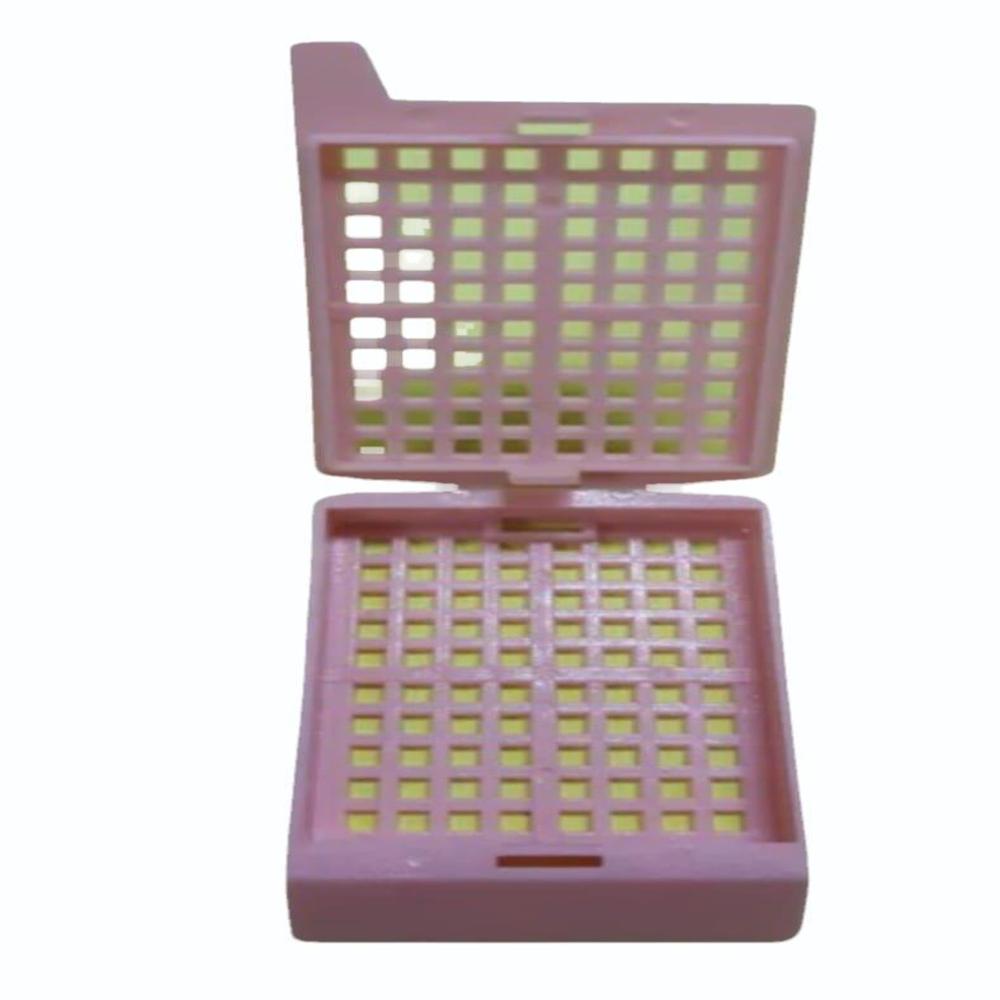
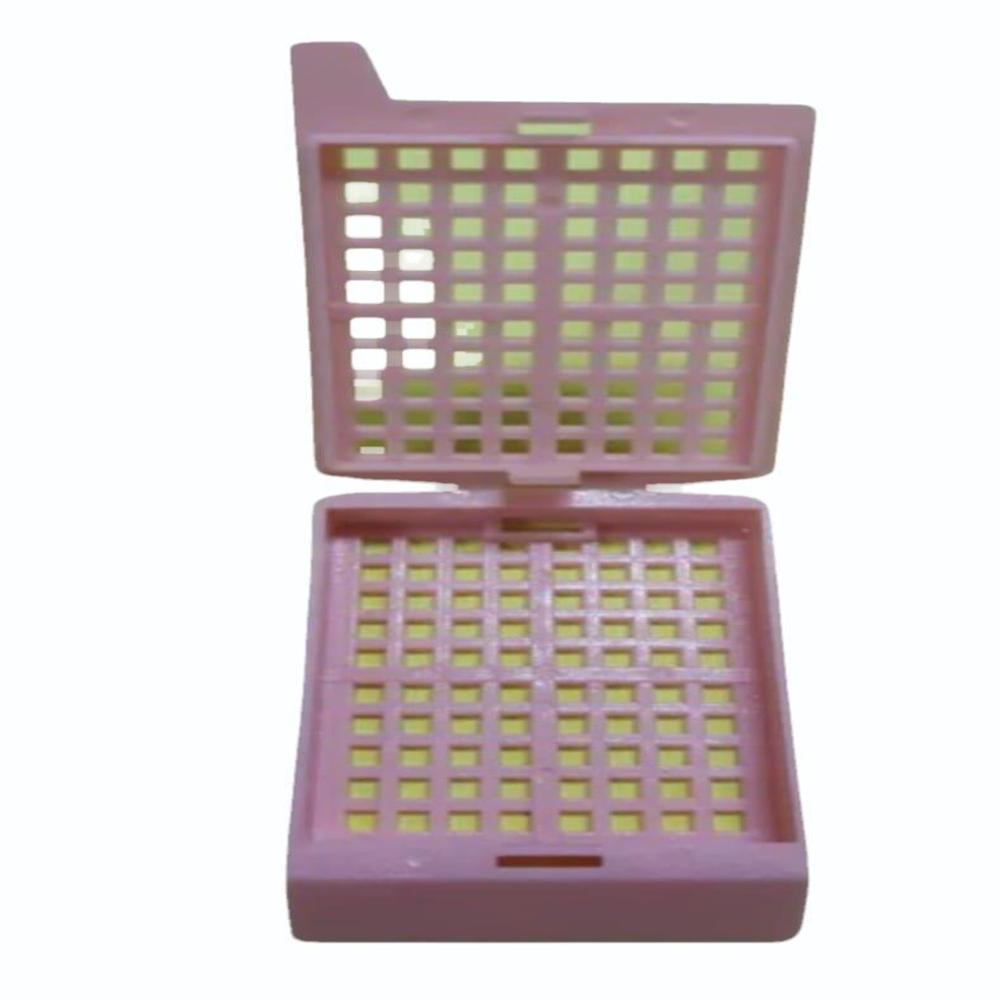
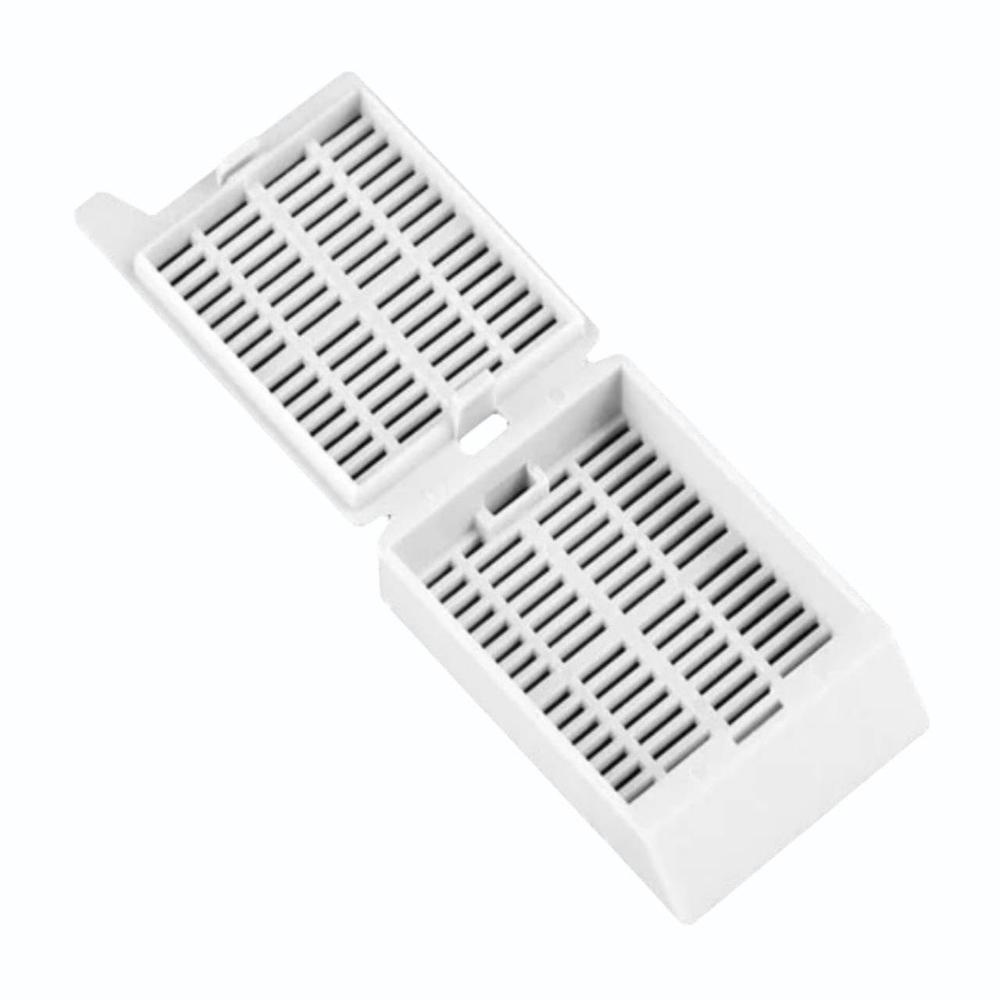
A plastic embedding cassette is a rectangular container made from a durable, chemical-resistant plastic material, such as polystyrene or acetal polymer, that is used to process and store biological tissue samples. Here are some features of plastic embedding cassettes:
- DesignThey are typically porous to allow for fluid exchange during processing. They may also have a grid pattern to help orient and support the tissue sample.
- Locking mechanismThey have a lid or locking mechanism to hold the sample in place and prevent contamination.
- Size and colorThey come in various sizes and colors to help with sample identification and organization.
- PerforationsSome models have perforations to enhance the quality of the final sections.
- Biopsy cassettesThese cassettes have a 1 mm square mesh for small biopsies. They are made from acetyl polymer, which is resistant to most histological solvents.
Plastic embedding cassettes are a vital component in histology and pathology, and are used to support accurate diagnoses and advance medical researchEfficient Sample PreparationDesigned with both functionality and reliability in mind, the cassette's slot design and smooth edges facilitate optimal tissue embedding and drainage, making laboratory processes streamlined and safe. Its compatibility with common instruments such as microtomes ensures broad utility in various research and diagnostic environments.
User-Friendly Design and HandlingIts snap closure locking mechanism guarantees secure sealing during tissue processing, while the ample labeling area aids in accurate sample identification. The high stacking efficiency optimizes storage, and BPA-free plastic construction is ideal for safe and sustainable lab use.
FAQ's of Plastic Embedding Cassette:
Q: How does the slot design of the embedding cassette improve tissue processing?
A: The cassette's slotted lid provides excellent ventilation and drainage, ensuring tissue samples are properly processed and fluids are efficiently removed during embedding and sectioning.
Q: What compatibility features make this cassette suitable for laboratory use?
A: This cassette is compatible with standard microtomes and tissue processors, making it a suitable choice for most laboratory tissue embedding workflows and equipment.
Q: When is the optimal time to use this cassette in sample preparation?
A: It is best used during the tissue embedding and sectioning stages, where proper drainage, secure closure, and efficient identification are crucial for accurate results.
Q: Where can I source this Pink Plastic Embedding Cassette in India?
A: You can obtain this cassette from trusted distributors, exporters, manufacturers, suppliers, and traders throughout India, ensuring wide availability for laboratory needs.
Q: What is the process for labeling and securing samples in the cassette?
A: Simply write the sample details on the ample labeling area and use the snap closure mechanism to secure the lid, ensuring both proper identification and safe containment of tissue samples.
Q: How does the high stacking ability benefit laboratory operations?
A: High efficiency stacking allows for convenient handling and space-saving storage, facilitating faster workflows and organized laboratory environments.
Q: What are the main benefits of using a BPA-free, smooth-edged cassette?
A: BPA-free material ensures safety for lab personnel, while smooth edges minimize the risk of injury, creating a safer and healthier laboratory setting.








 Send Inquiry

 Send Inquiry
 Send SMS