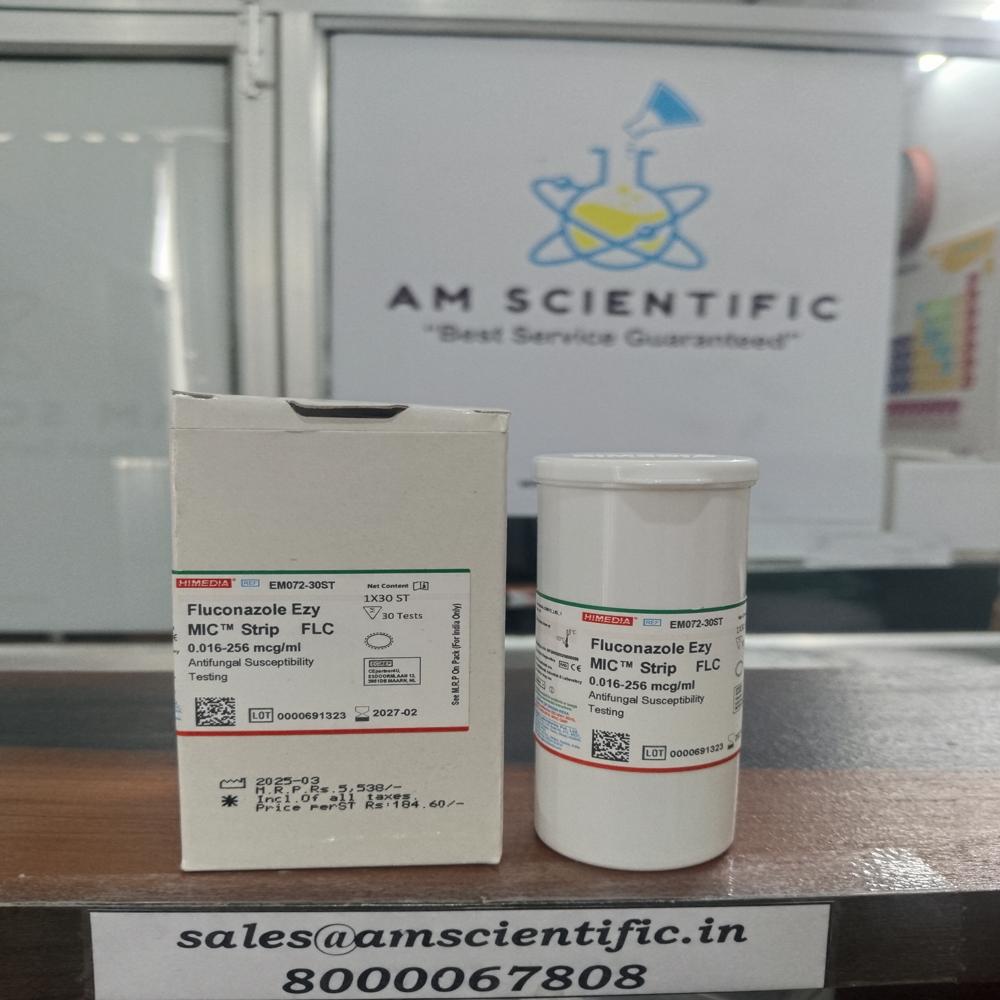
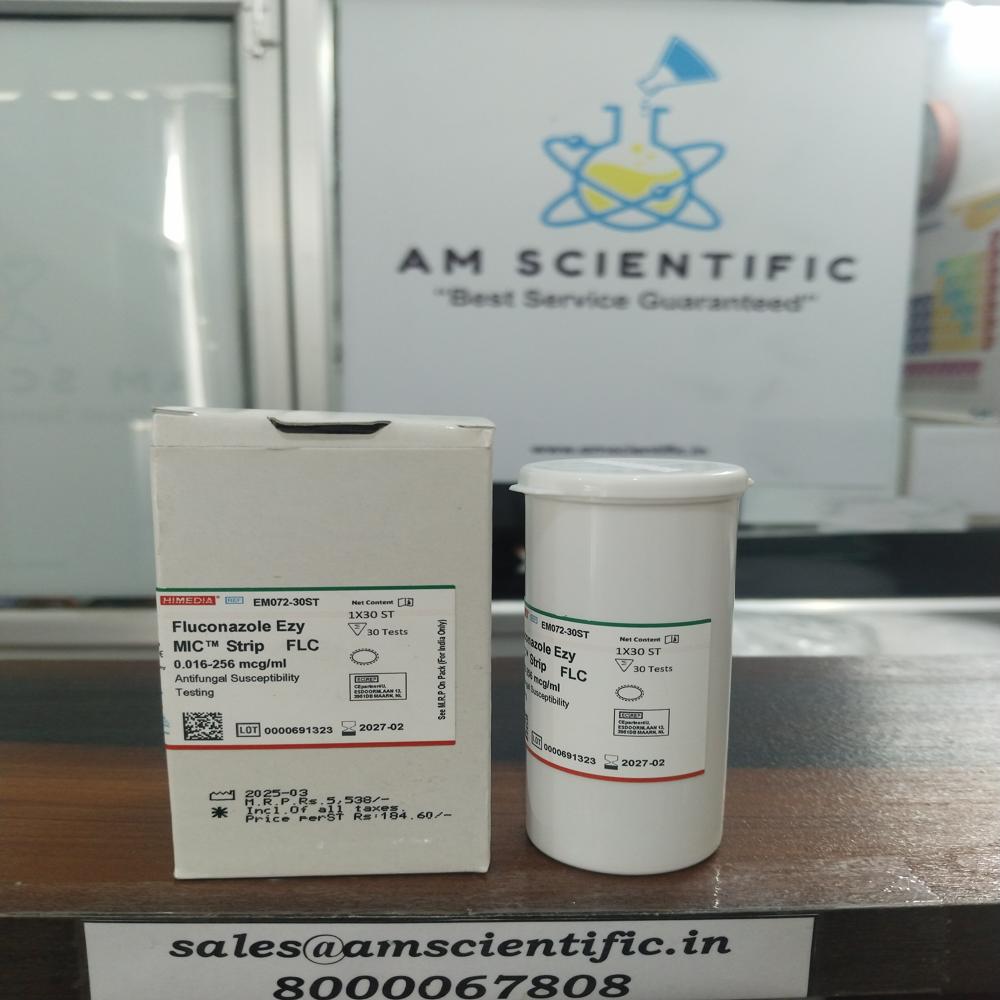
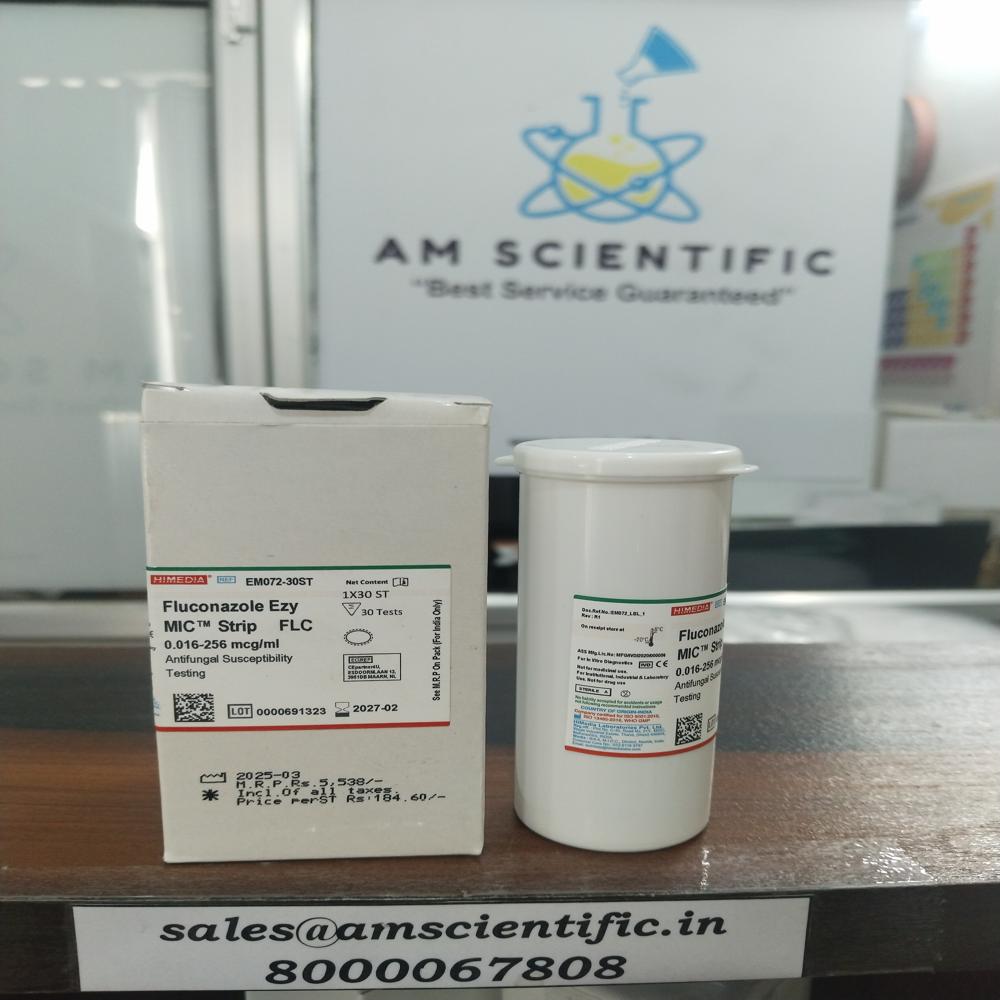
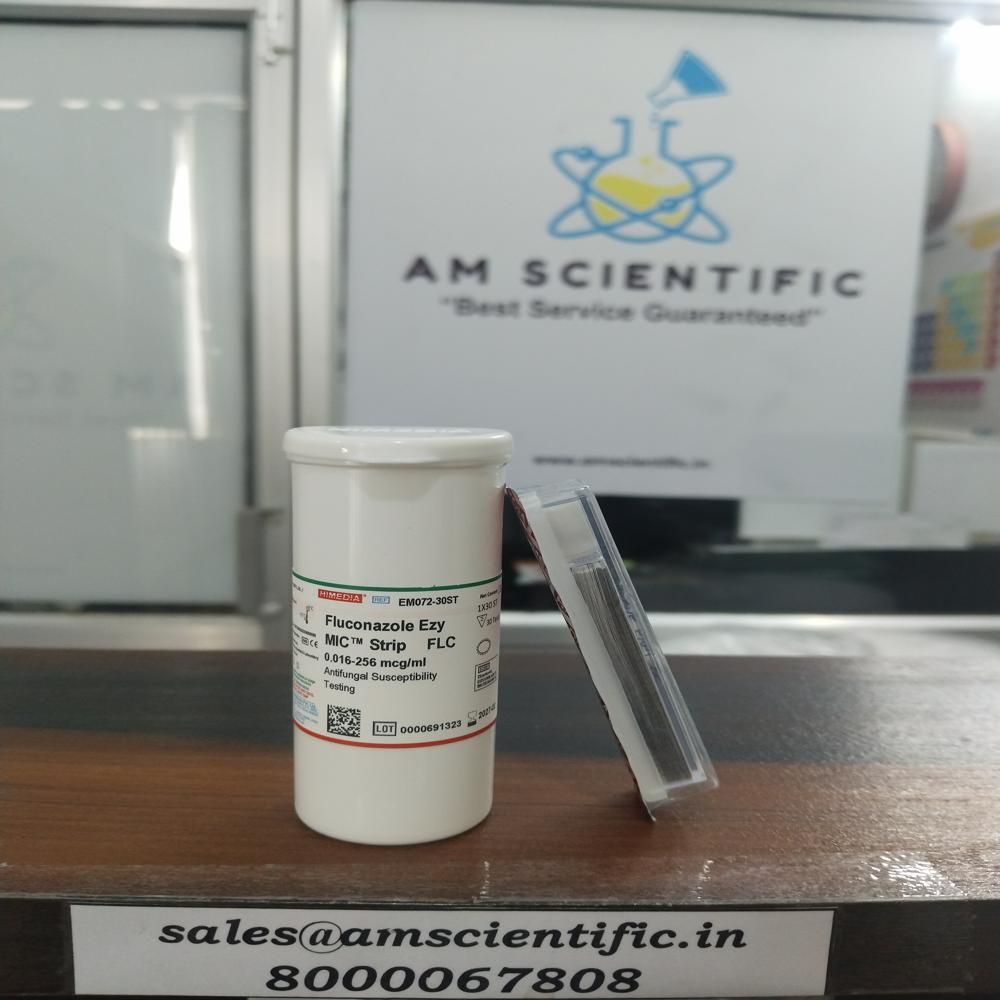
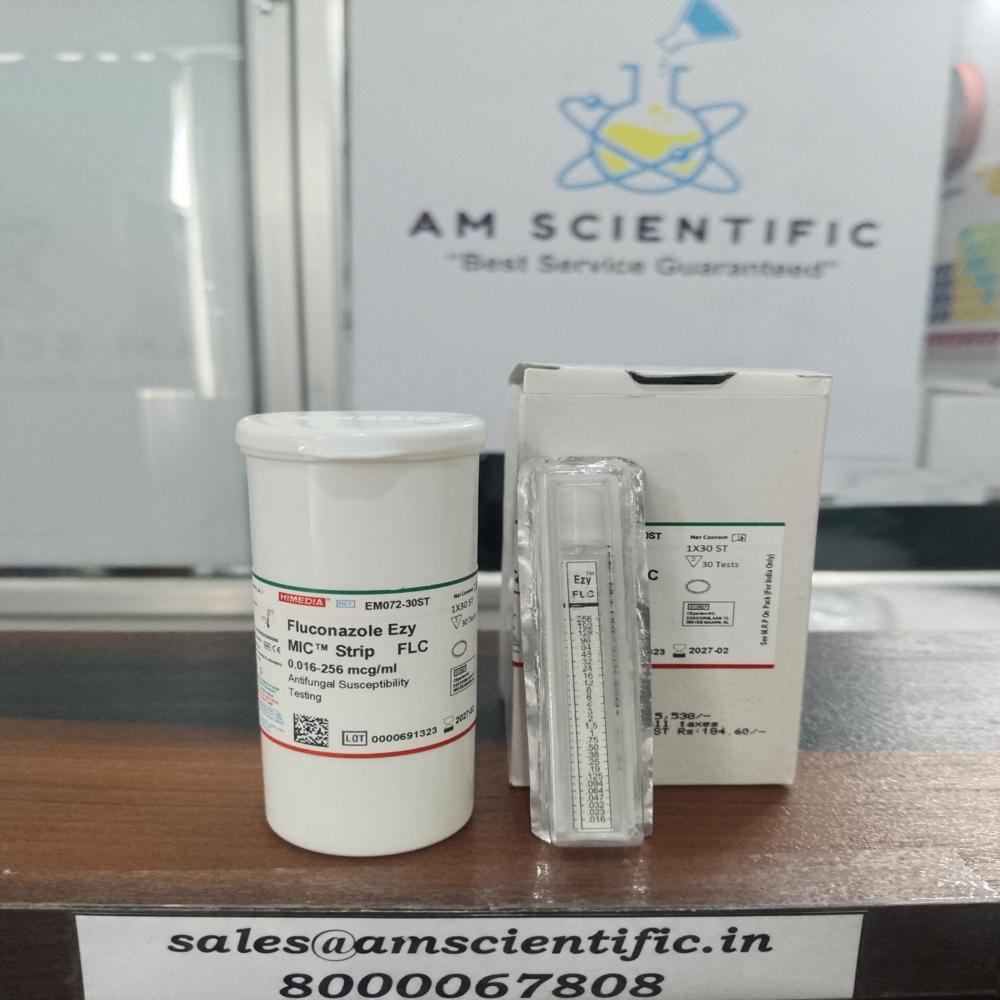
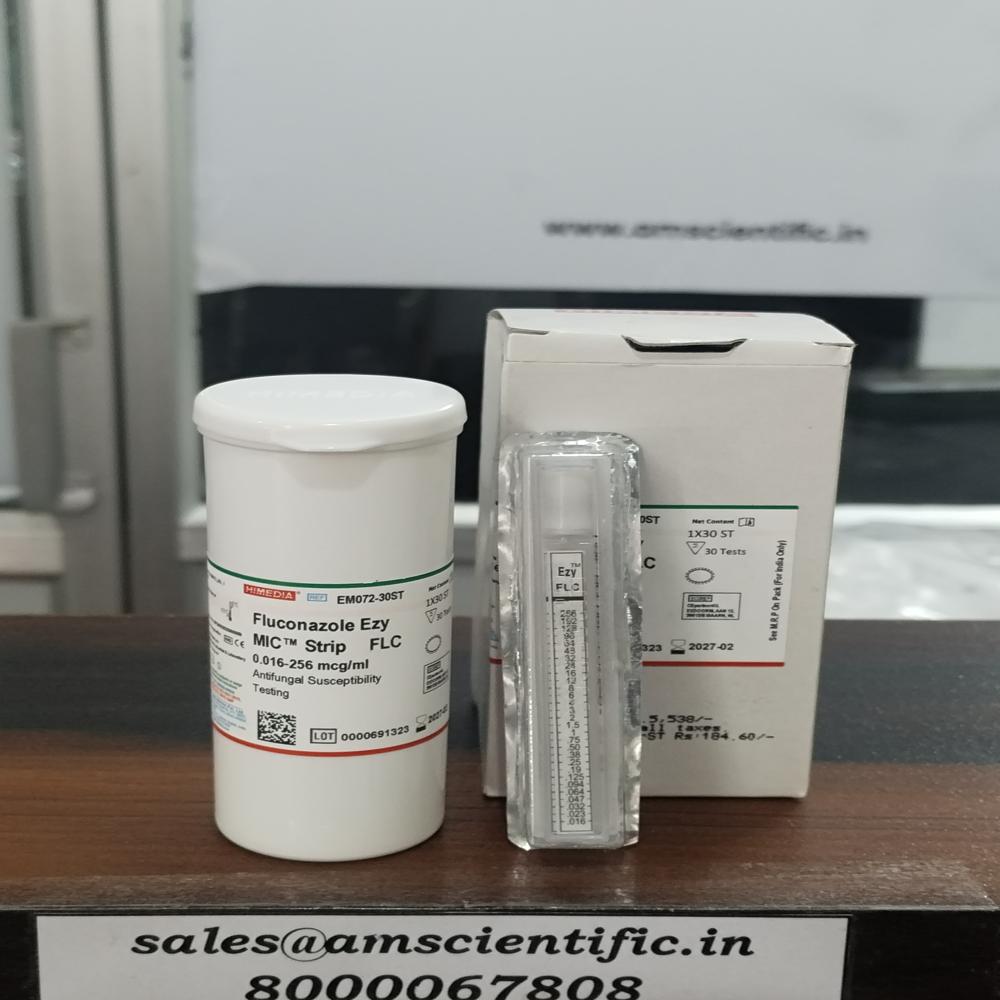
About Fluconazole FLC 256mcg
Fluconazole (FLC), a common brand name is Diflucan, is an antifungal medication used to treat a variety of fungal and yeast infections, including those caused by Candida and Cryptococcus. It works by inhibiting the growth of fungal cells. FLC can be administered orally or intravenously. Mechanism of Action: FLC interferes with the synthesis of ergosterol, a crucial component of fungal cell membranes. This interference weakens the cell membrane and disrupts fungal growth. FLC also inhibits the activity of 14-demethylase, an enzyme involved in ergosterol synthesis. Uses: Treatment of Candida Infections:FLC is widely used for treating candidiasis, including vaginal, oral, esophageal, and systemic infections. Treatment of Cryptococcal Meningitis:FLC is an effective treatment for cryptococcal meningitis, a serious fungal infection of the brain and spinal cord. Prophylaxis:FLC can be used to prevent fungal infections in patients at high risk, such as those undergoing bone marrow transplantatComprehensive Antifungal CoverageFluconazole FLC 256mcg offers broad-spectrum activity against various fungal pathogens, notably Candida and Cryptococcus. Its versatility allows it to be used in both acute infection management and preventive therapy for high-risk patients. Available in oral and intravenous forms, it caters to different clinical requirements and enhances flexibility in patient care.
Mechanism of Action and EfficacyBy targeting the synthesis of ergosterol-a key component of the fungal cell membrane-Fluconazole compromises the structural integrity of fungal cells. This interruption results in the effective inhibition of fungal growth and helps resolve infections rapidly, making it a trusted choice for healthcare professionals and laboratory applications alike.
FAQ's of Fluconazole FLC 256mcg:
Q: How does Fluconazole FLC 256mcg work to treat fungal infections?
A: Fluconazole FLC 256mcg works by inhibiting the synthesis of ergosterol, an essential component of the fungal cell membrane. This action weakens the cell membrane, disrupts fungal growth, and ultimately leads to the death of the pathogenic organism.
Q: What types of infections can Fluconazole FLC 256mcg be used to treat?
A: Fluconazole FLC 256mcg is effective in treating a broad range of fungal infections, such as candidiasis (including vaginal, oral, esophageal, and systemic infections) and cryptococcal meningitis, a serious infection affecting the brain and spinal cord.
Q: When should Fluconazole FLC 256mcg be administered?
A: Fluconazole FLC 256mcg should be administered soon after diagnosis of a susceptible fungal infection or as a prophylactic measure in patients at high risk, such as those undergoing procedures like bone marrow transplantation. The method and timing depend on the severity and location of the infection.
Q: Where is Fluconazole FLC 256mcg typically used?
A: Fluconazole FLC 256mcg is commonly used in hospitals, laboratories, and clinical settings, especially where there is a need for targeted antifungal therapy or prevention among immunocompromised patients.
Q: What is the process for using Fluconazole FLC 256mcg in a laboratory setting?
A: In a laboratory context, Fluconazole FLC 256mcg is utilized to test fungal susceptibility or as part of research on antifungal resistance. The product must be stored in a freezer as recommended to preserve its potency before use.
Q: What are the main benefits of using Fluconazole FLC 256mcg?
A: The main benefits include its proven efficacy against a wide spectrum of fungal pathogens, flexibility of oral or intravenous administration, and suitability for both treatment and prevention of infections. Its mechanism ensures rapid and reliable elimination of fungal cells.








 Send Inquiry

 Send Inquiry
 Send SMS