About Dichloran Rose Bengal Agar (DRB
DRBC agar is especially useful for analyzing sample containing "spreader" molds (e.g. Mucor, Rhizopus, etc.), since the added dichloran and rose bengal effectively slow down the growth of fast-growing fungi, thus readily allowing detection of other yeast and mold propagules, which have lower growth rates.Selective Fungal CultivationDRB Agar is expertly formulated for the precise cultivation of yeasts and molds in laboratory settings. Its composition inhibits bacterial proliferation, ensuring the accurate isolation and enumeration of fungal species from environmental and clinical samples. The Rose Bengal dye, along with dichloran, enhances selectivity, making it widely used among researchers, clinicians, and industrial laboratories.
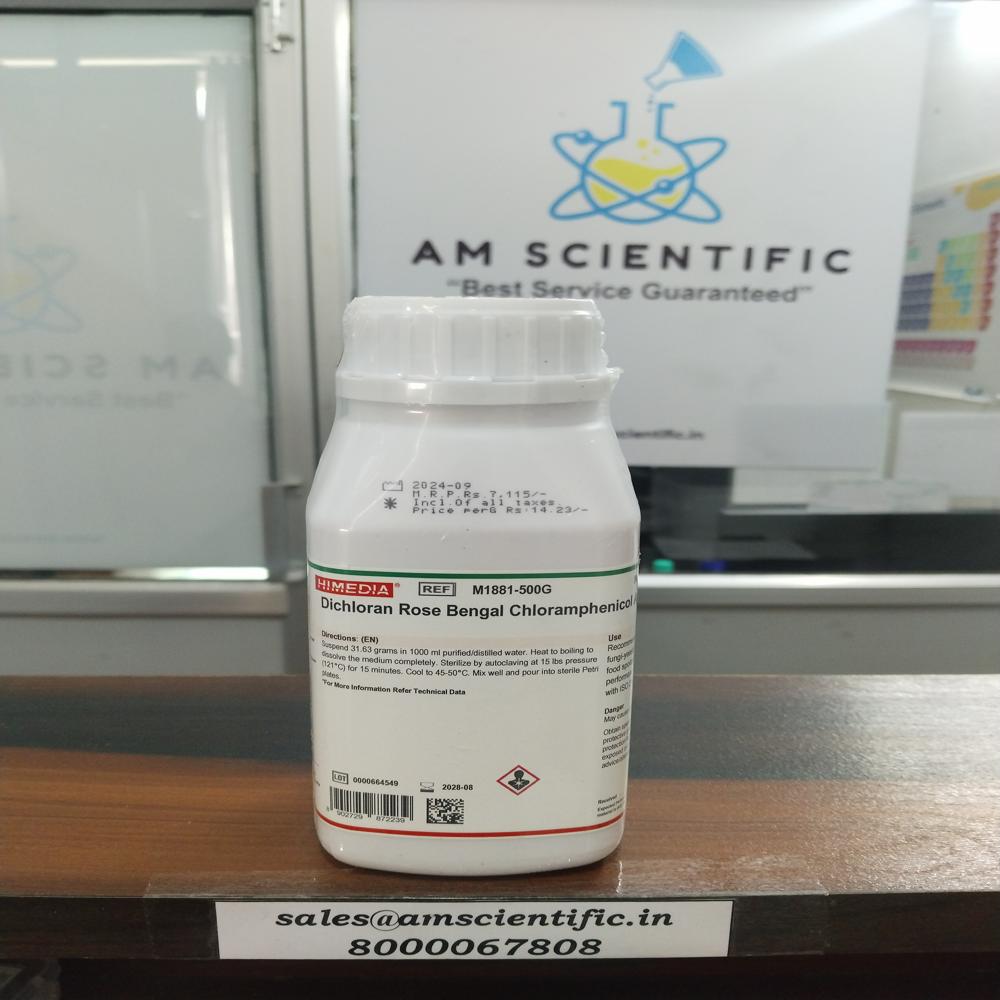
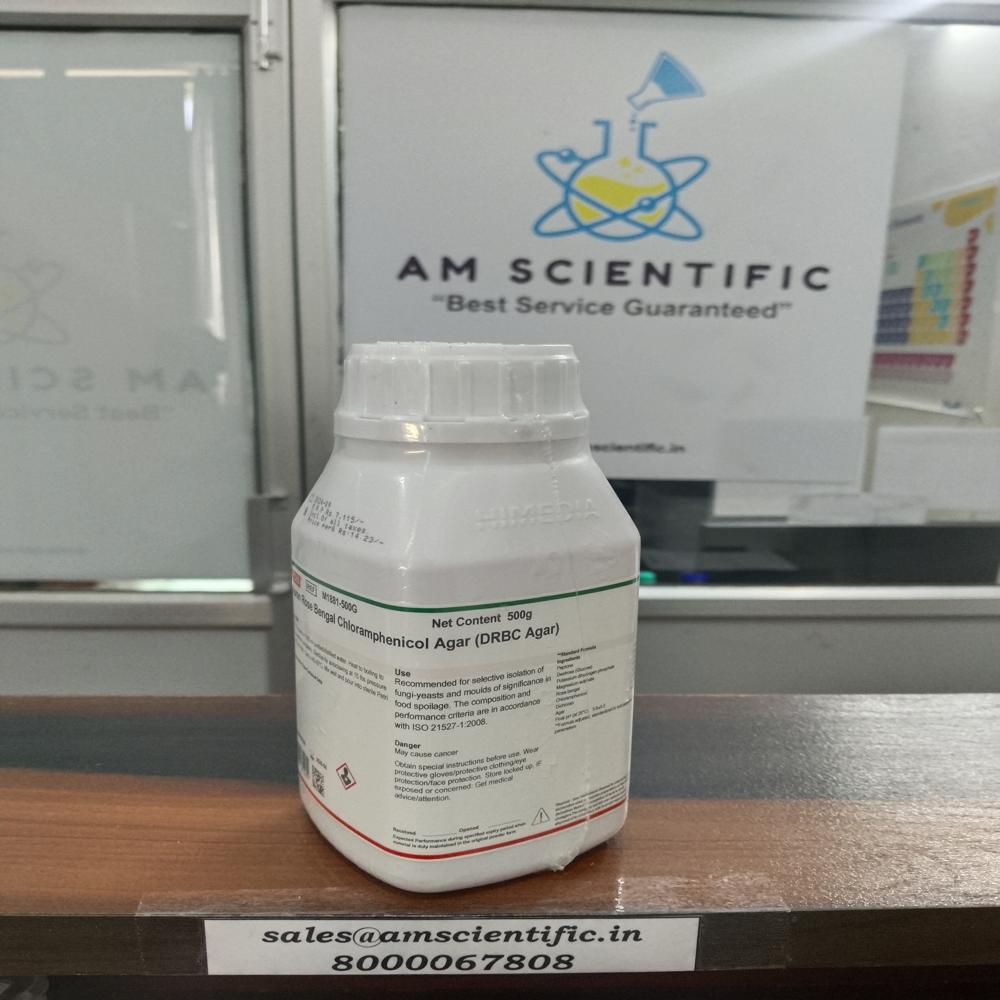
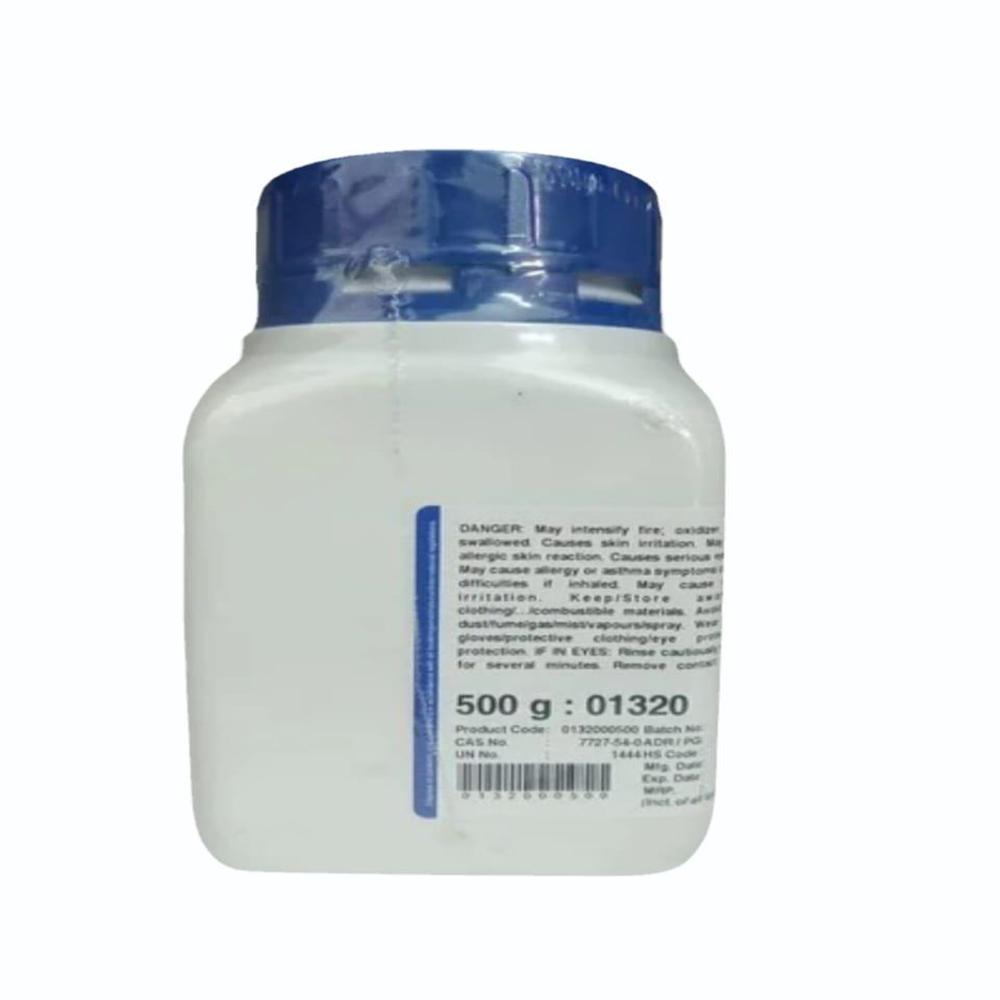
Quality and PackagingThis product is offered in a 500G powder format, ensuring purity and consistency for reliable laboratory results. Stringent quality measures are maintained from manufacturing to distribution to guarantee the highest standards. The packaging preserves the integrity of the medium and facilitates ease of use during preparation and testing.
Distribution Across IndiaDRB Agar is widely available throughout India, catering to laboratory professionals via a strong network of distributors, exporters, manufacturers, suppliers, and traders. This widespread availability ensures timely access for laboratories of varying sizes and research focuses, supporting scientific advancements nationwide.
FAQ's of Dichloran Rose Bengal Agar (DRB:
Q: How should Dichloran Rose Bengal Agar (DRB) be stored to ensure maximum effectiveness?
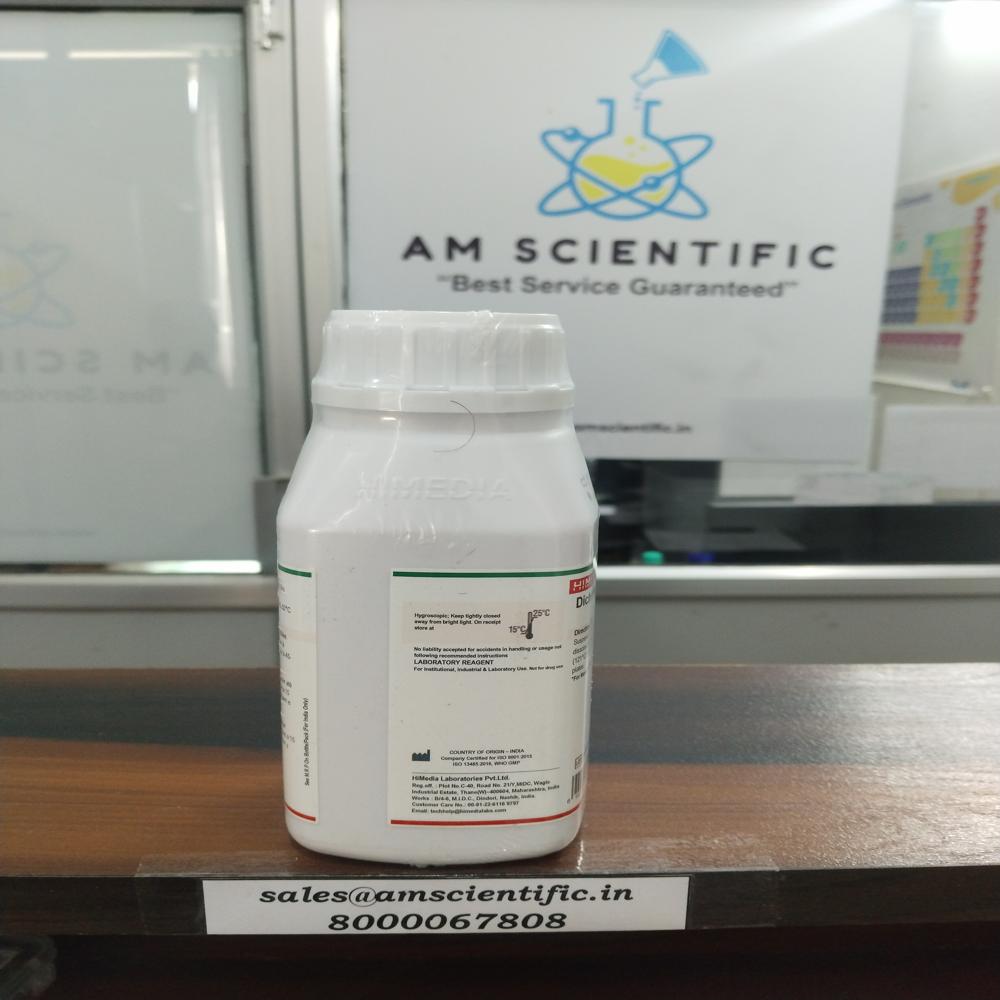
A: DRB Agar must be stored in a cool, dry place to maintain its purity and potency. Exposure to moisture or high temperatures can compromise the medium's quality and alter its effectiveness for laboratory applications.
Q: What is the primary usage of DRB Agar in laboratory environments?
A: DRB Agar is primarily used for the isolation and selective enumeration of fungi, including yeasts and molds, from environmental and clinical samples. Its specific composition inhibits bacteria, providing reliable results in fungal identification.
Q: When is DRB Agar typically utilized during laboratory procedures?
A: The medium is employed when laboratories need to test samples suspected of fungal contamination or require the differentiation of various fungal species. It is especially valuable during routine monitoring, outbreak investigations, and quality control processes.
Q: Where can I purchase DRB Agar in India?
A: DRB Agar is available through a variety of channels in India, including reputable distributors, exporters, manufacturers, suppliers, and traders. Laboratories can source the product locally or via national suppliers for convenience.
Q: What is the process for preparing DRB Agar from its powdered form?
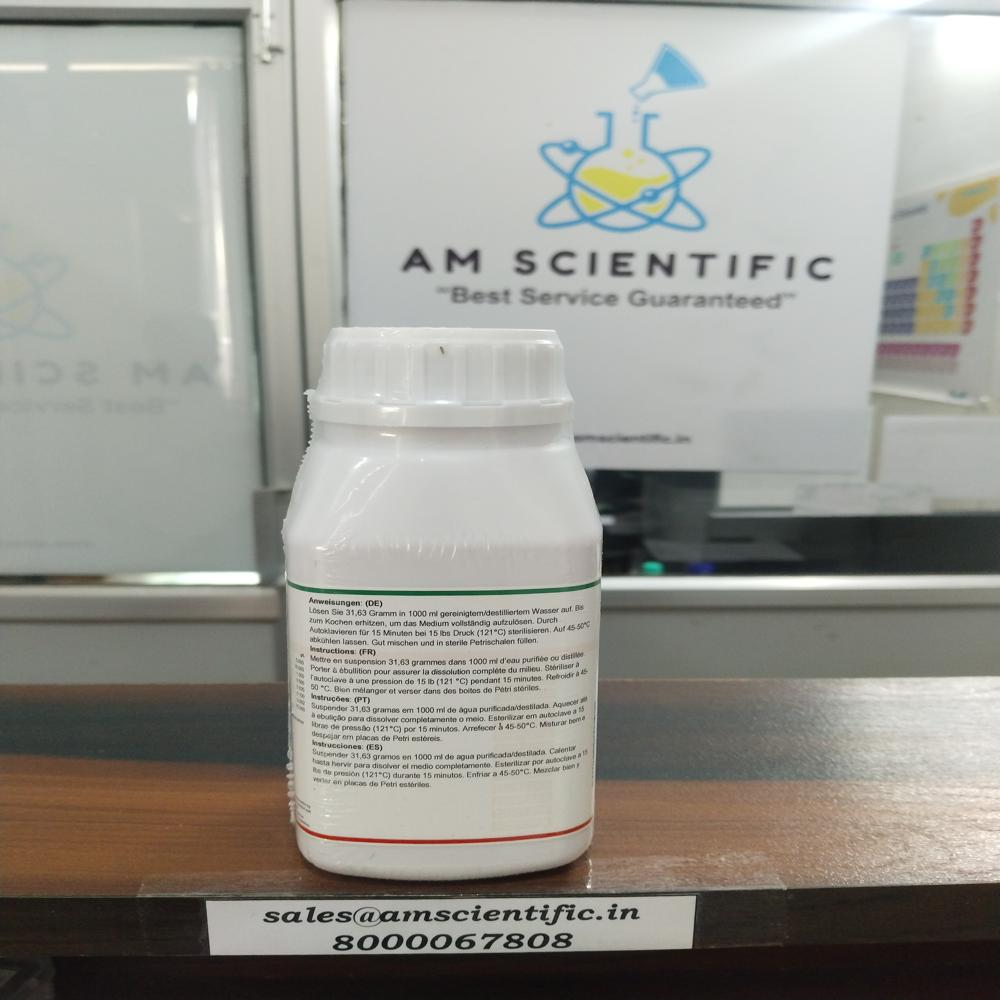
A: To prepare DRB Agar, weigh the required amount of powder, dissolve it in distilled water, and sterilize by autoclaving. Once cooled to appropriate pouring temperature, dispense into sterile Petri dishes for laboratory tests.
Q: What are the benefits of using DRB Agar compared to other fungal media?
A: DRB Agar offers enhanced selectivity for fungal growth and minimizes bacterial interference, leading to more accurate colony enumeration. The addition of Rose Bengal dye helps restrict the size and spread of overlapping colonies, facilitating easier identification.








 Send Inquiry

 Send Inquiry
 Send SMS