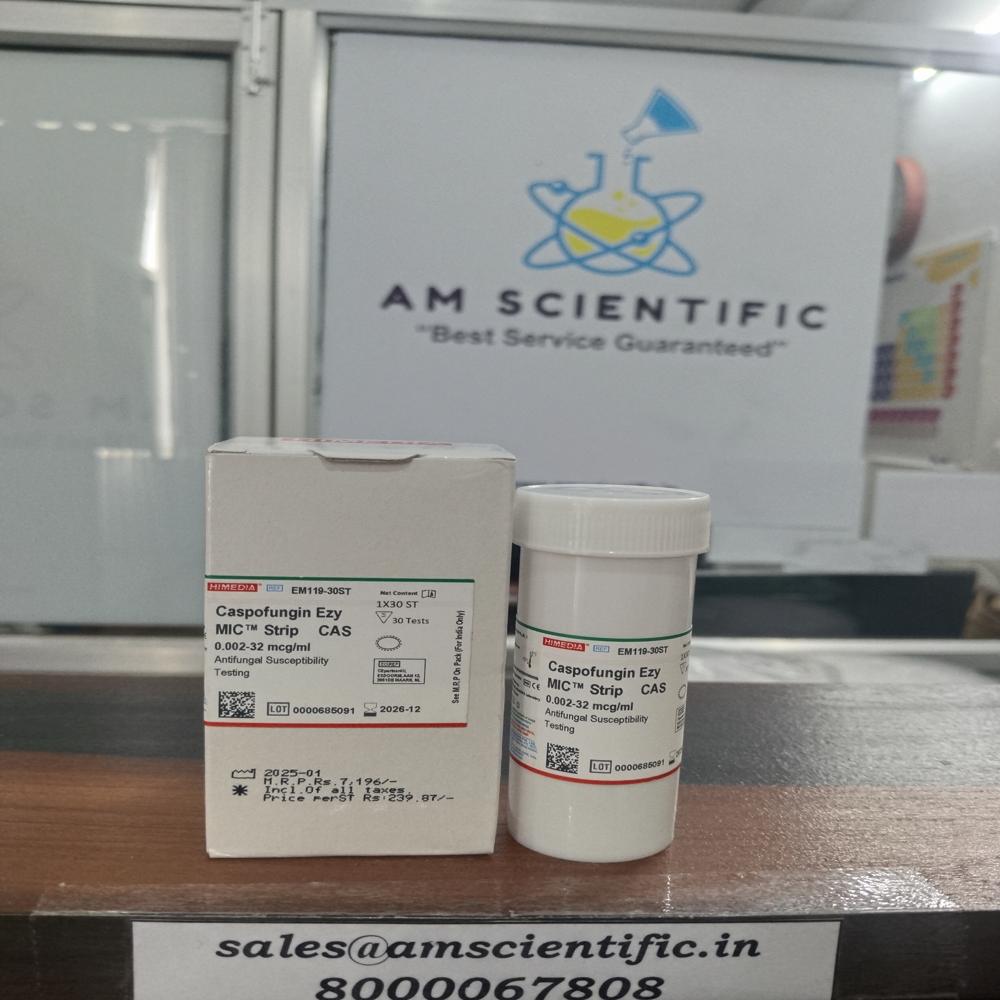
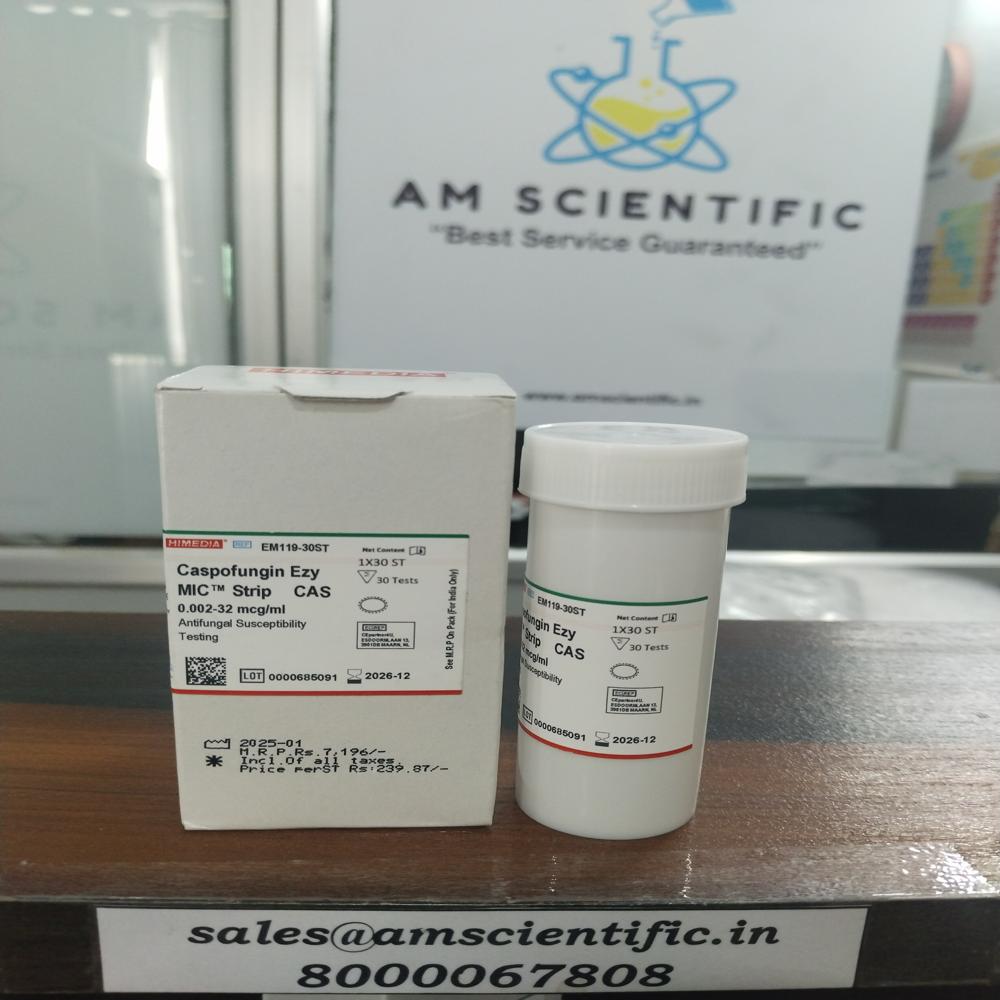
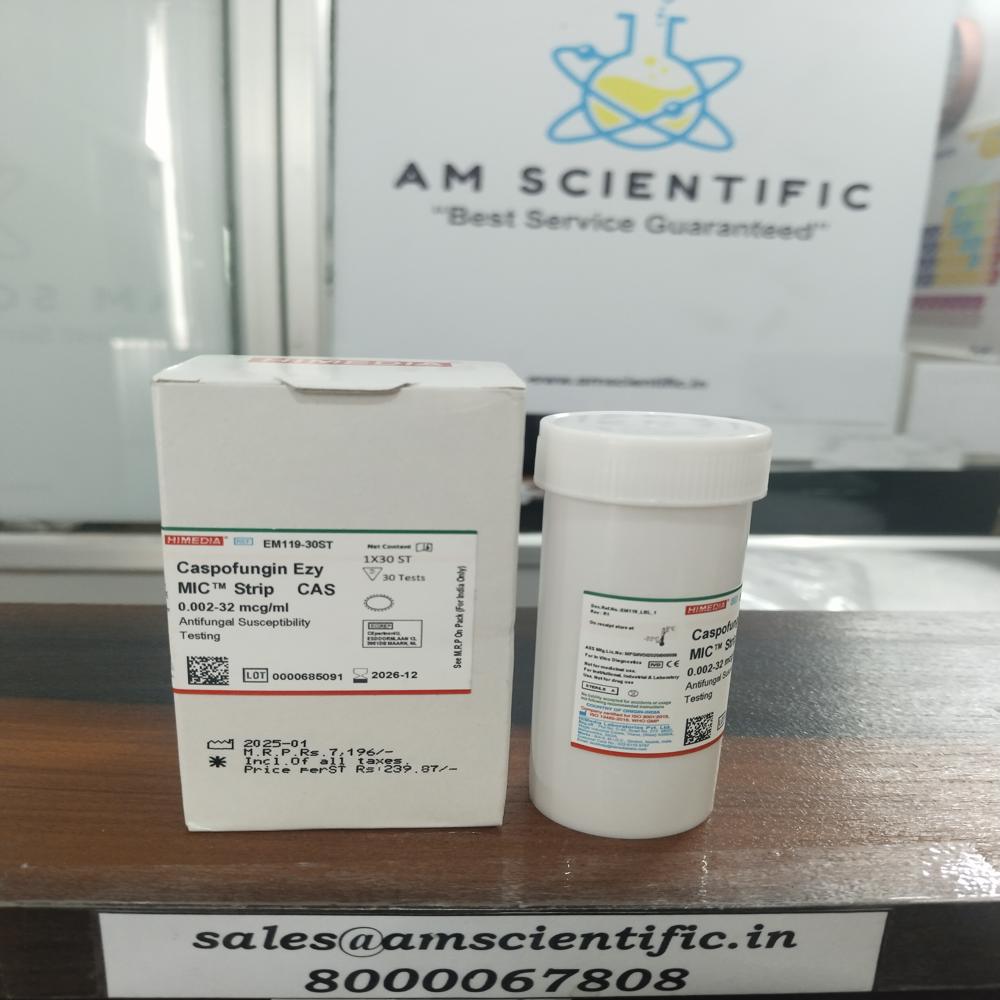
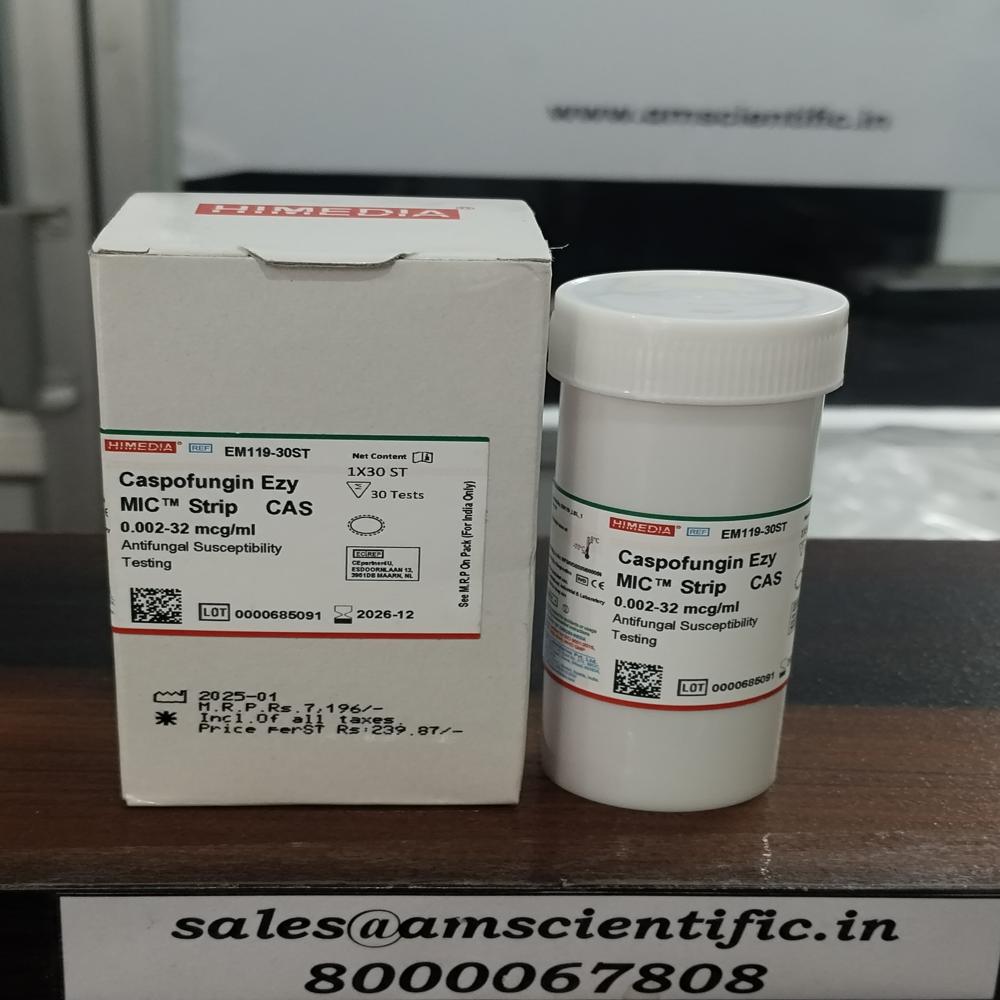
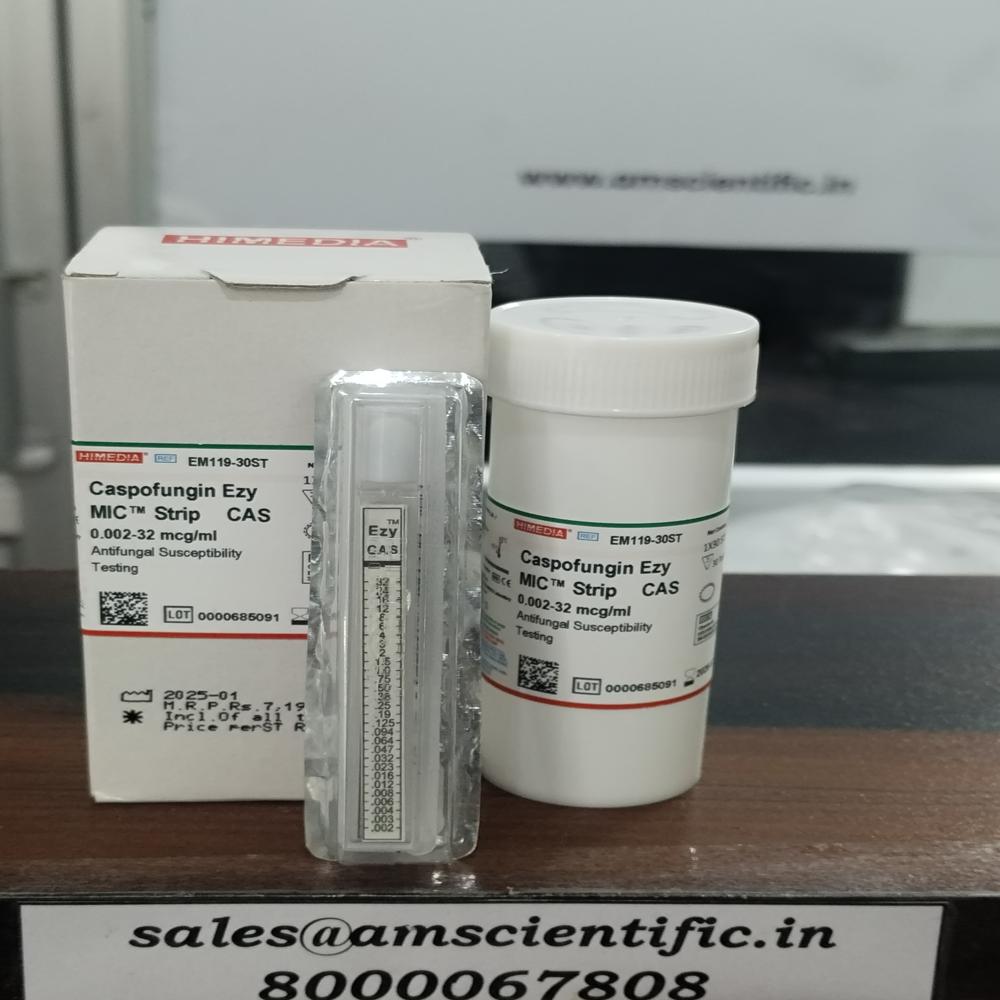
About Caspofungin CAS 32mcg
Caspofungin is an antifungal medication belonging to the echinocandin class. It is used to treat serious fungal infections, including candidemia (fungal infection in the blood), esophageal candidiasis (fungal infection of the esophagus), other candida infections, and aspergillosis (fungal infection in the lungs). It is also used to treat fungal infections in patients with febrile neutropenia. Caspofungin works by inhibiting the synthesis of beta-(1,3)-D-glucan, a key component of the fungal cell wall, disrupting the fungal cell wall and hindering fungal growth. Mechanism of ActionCaspofungin operates by blocking the synthesis of beta-(1,3)-D-glucan, a vital element in fungal cell walls. This inhibition weakens the fungal structure, making it an effective option against a range of serious fungal infections in laboratory settings.
Extensive Therapeutic ApplicationsThis antifungal is used to combat candidemia, esophageal candidiasis, various other candida infections, and aspergillosis, including cases found in neutropenic patients. Its broad action profile makes it invaluable in research involving severe fungal infections.
Ideal Storage and HandlingFor maximum efficacy and stability, Caspofungin CAS 32mcg should be stored in a freezer. This ensures the compound maintains its activity for laboratory experiments and research applications.
FAQ's of Caspofungin CAS 32mcg:
Q: How does Caspofungin work to treat fungal infections?
A: Caspofungin inhibits the synthesis of beta-(1,3)-D-glucan, a critical building block of the fungal cell wall. By disrupting this process, Caspofungin weakens and ultimately destroys fungal cells, making it effective for treating severe fungal infections.
Q: What are the primary laboratory applications of Caspofungin CAS 32mcg?
A: The main uses of Caspofungin CAS 32mcg in the laboratory include studying its effects on candidemia, esophageal and other candida infections, aspergillosis, and fungal infections in immunocompromised (febrile neutropenic) subjects.
Q: When should Caspofungin be incorporated into a laboratory protocol?
A: Caspofungin should be used when simulating, testing, or researching antifungal interventions for invasive fungal infections, especially those caused by Candida or Aspergillus species.
Q: Where should Caspofungin be stored for optimal stability?
A: To maintain its effectiveness and stability, Caspofungin CAS 32mcg must be stored in a freezer until needed for laboratory use.
Q: What is the process for using Caspofungin in research applications?
A: Researchers incorporate Caspofungin into fungal culture or assay protocols according to standard laboratory methods, ensuring accurate dosing and handling while adhering to proper storage conditions.
Q: What benefits does Caspofungin offer in laboratory research?
A: Caspofungin provides reliable and reproducible antifungal activity, allowing researchers to investigate mechanisms of fungal resistance and efficacy in innovative therapies against candidemia and aspergillosis.








 Send Inquiry

 Send Inquiry
 Send SMS