Temperature Influence of Conductivity Standard Specification
- Usage
- Use according to the stated conductivity value and temperature reference for the instrument or test procedure
- Ph Level
- Product-specific; depends on formulation
- Density
- Product-specific Gram per cubic centimeter(g/cm3)
- CAS No
- Product-specific; depends on the solution composition
- Storage Instructions
- Keep tightly closed and store under the conditions specified on the manufacturer s label. Avoid contamination and extreme temperatures.
- Flash Point
- Product-specific; consult the Safety Data Sheet
- Boiling point
- Product-specific
- Packaging Type
- Manufacturer-sealed bottle
- Shelf Life
- Refer to the manufacturer s label and expiry date Months
- Molecular Formula
- Not applicable solution mixture
- Purity
- Not applicable as a single compound; specification depends on the standard
- Melting Point
- Product-specific
- Molecular Weight
- Not applicable solution mixture Grams (g)
- Grade
- Conductivity Standard / Calibration Solution
- Application
- Conductivity meter calibration, verification, and temperature-effect studies
- Appearance
- Typically a clear, colourless liquid; confirm product label
- Purity(%)
- Not applicable as a single compound; specification depends on the standard
Temperature Influence of Conductivity Standard Trade Information
- Minimum Order Quantity
- 1 Piece
About Temperature Influence of Conductivity Standard
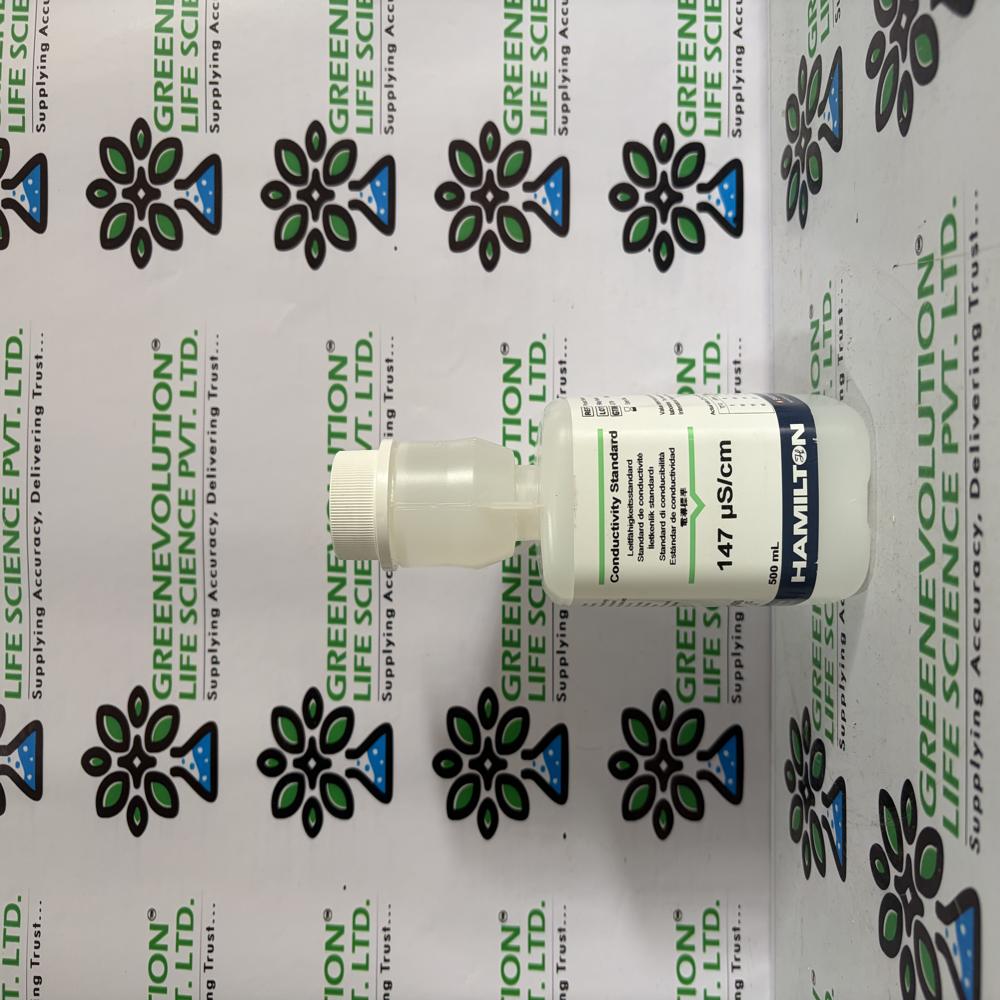
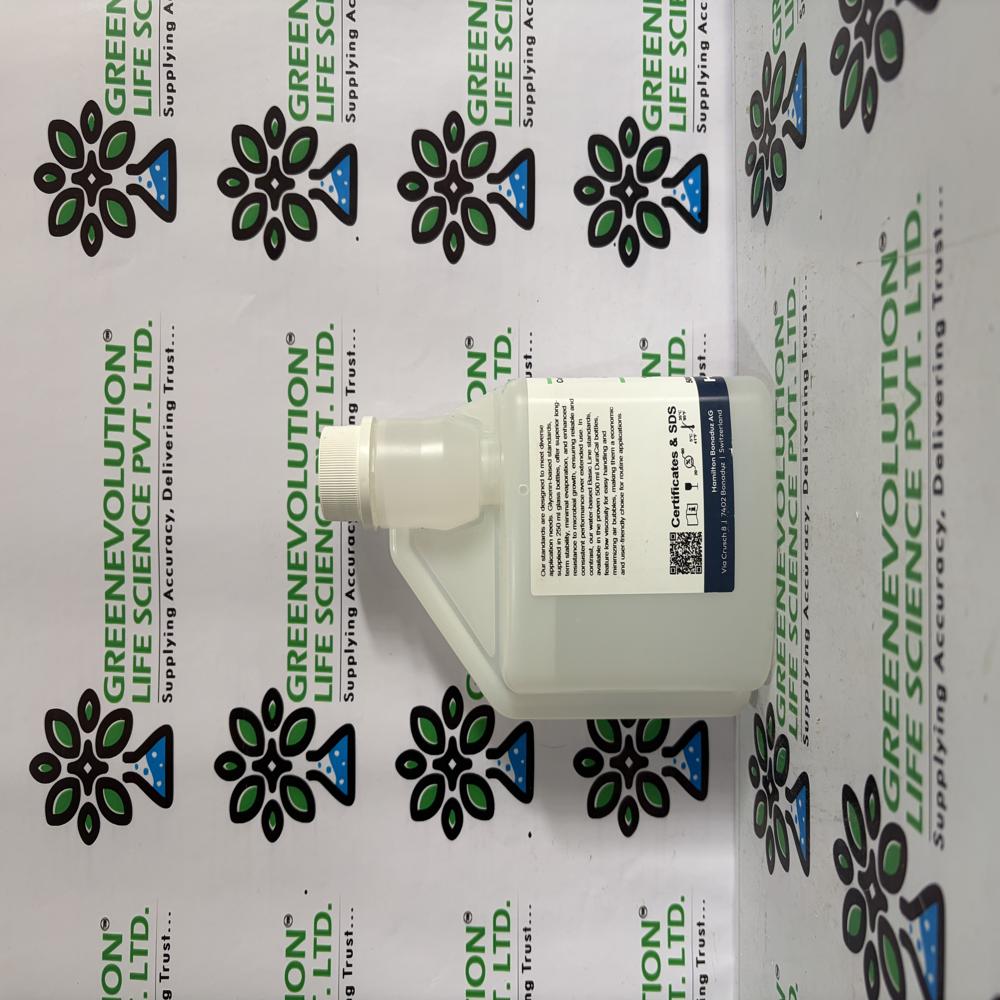
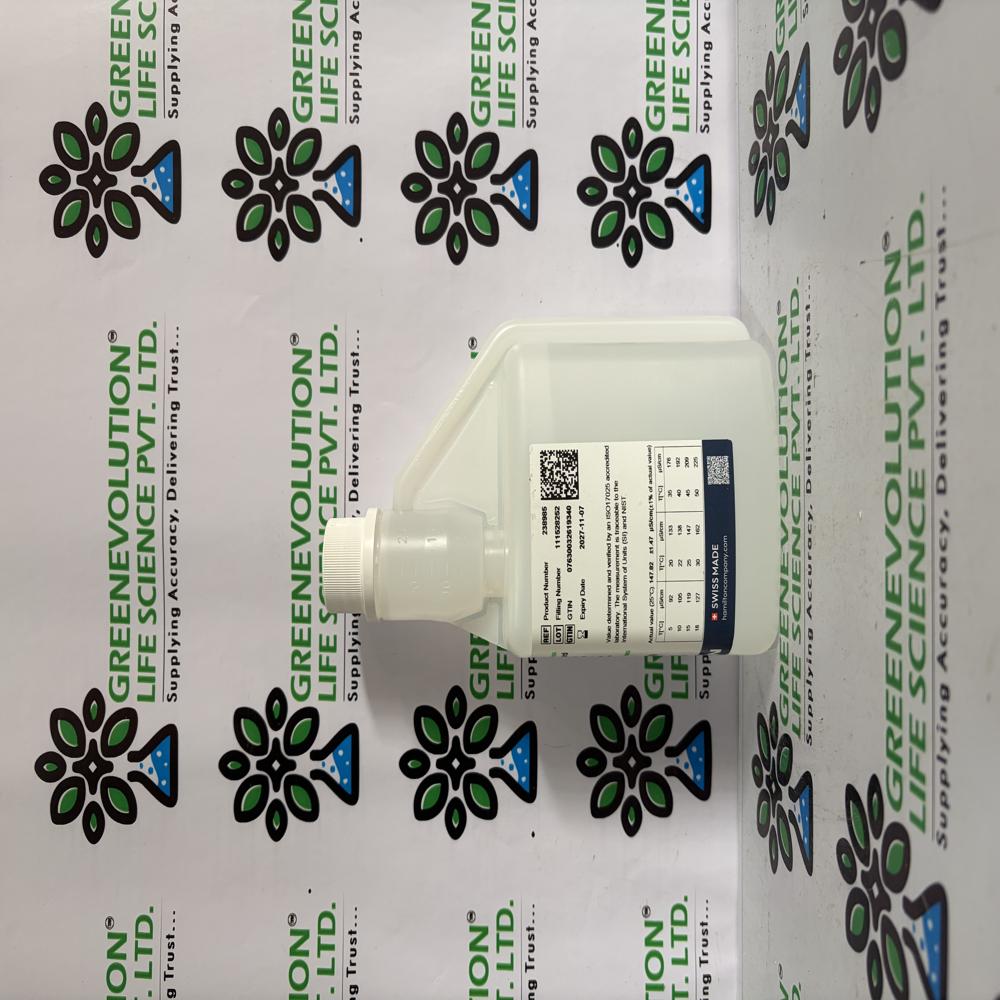
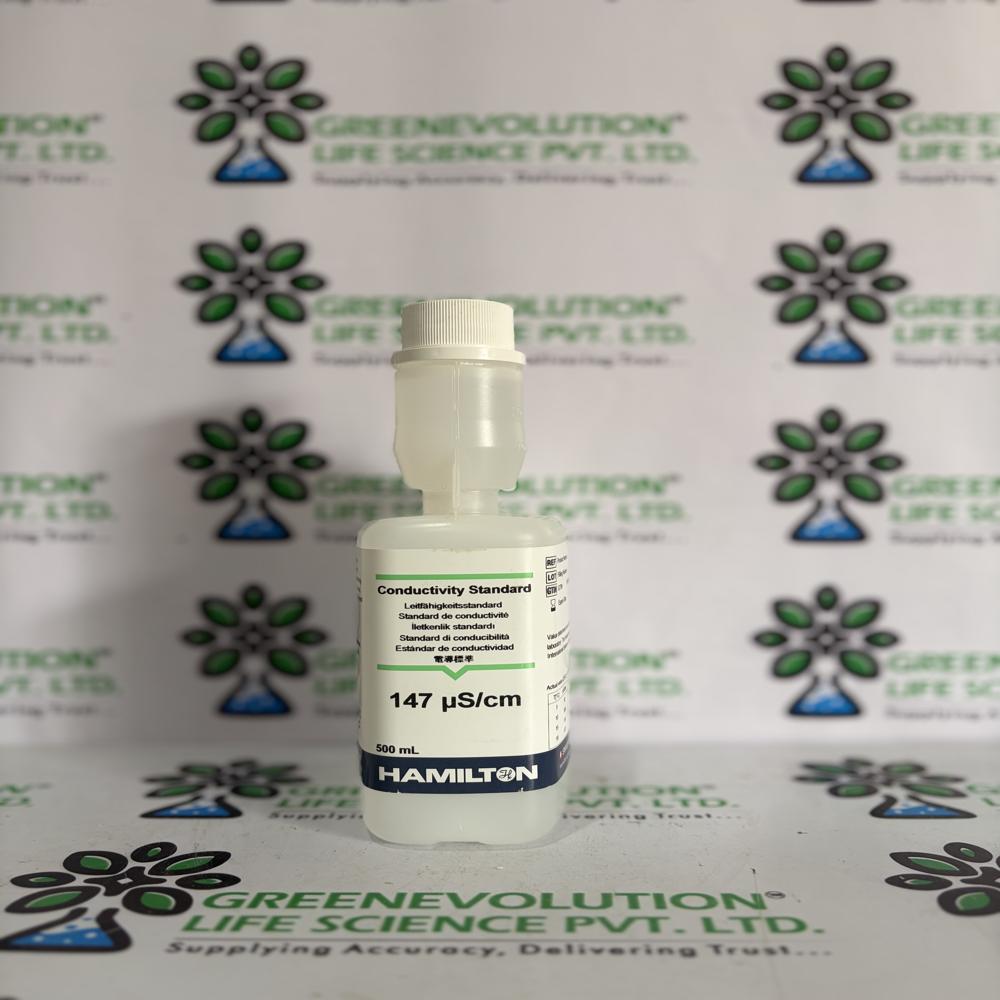
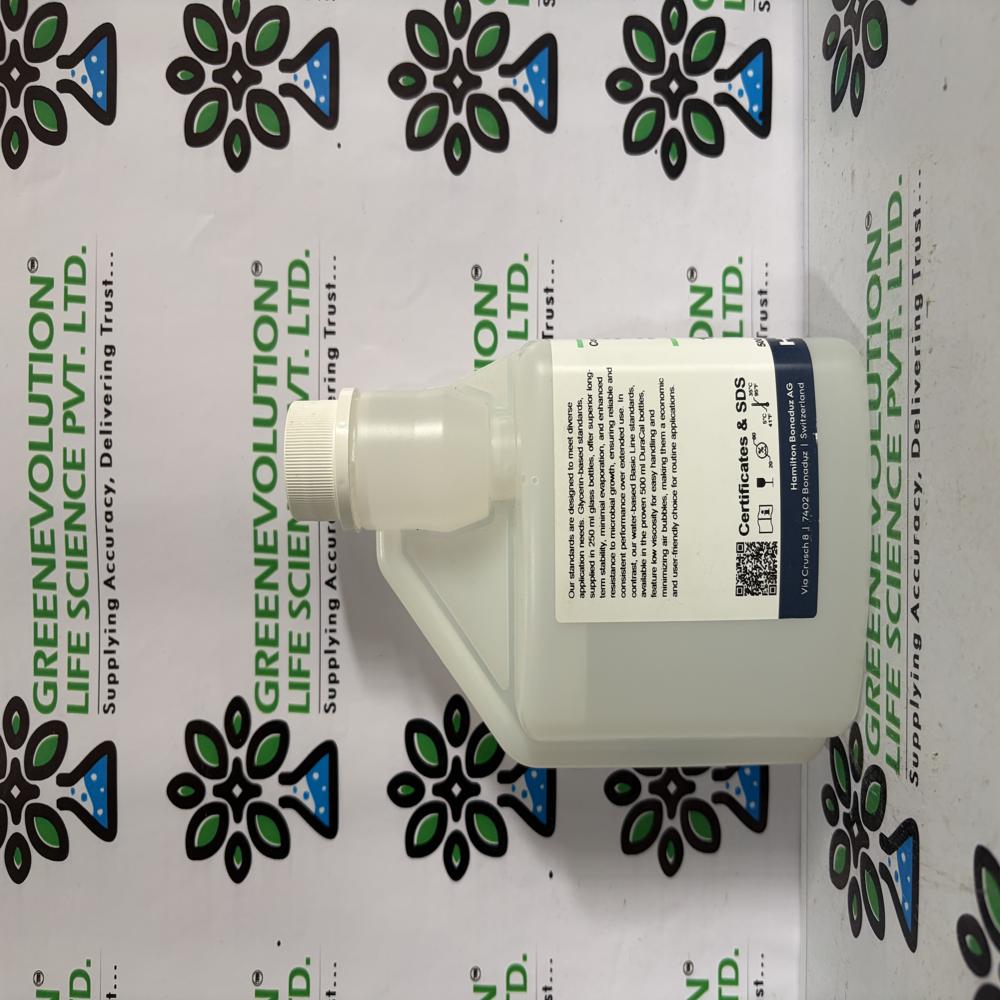
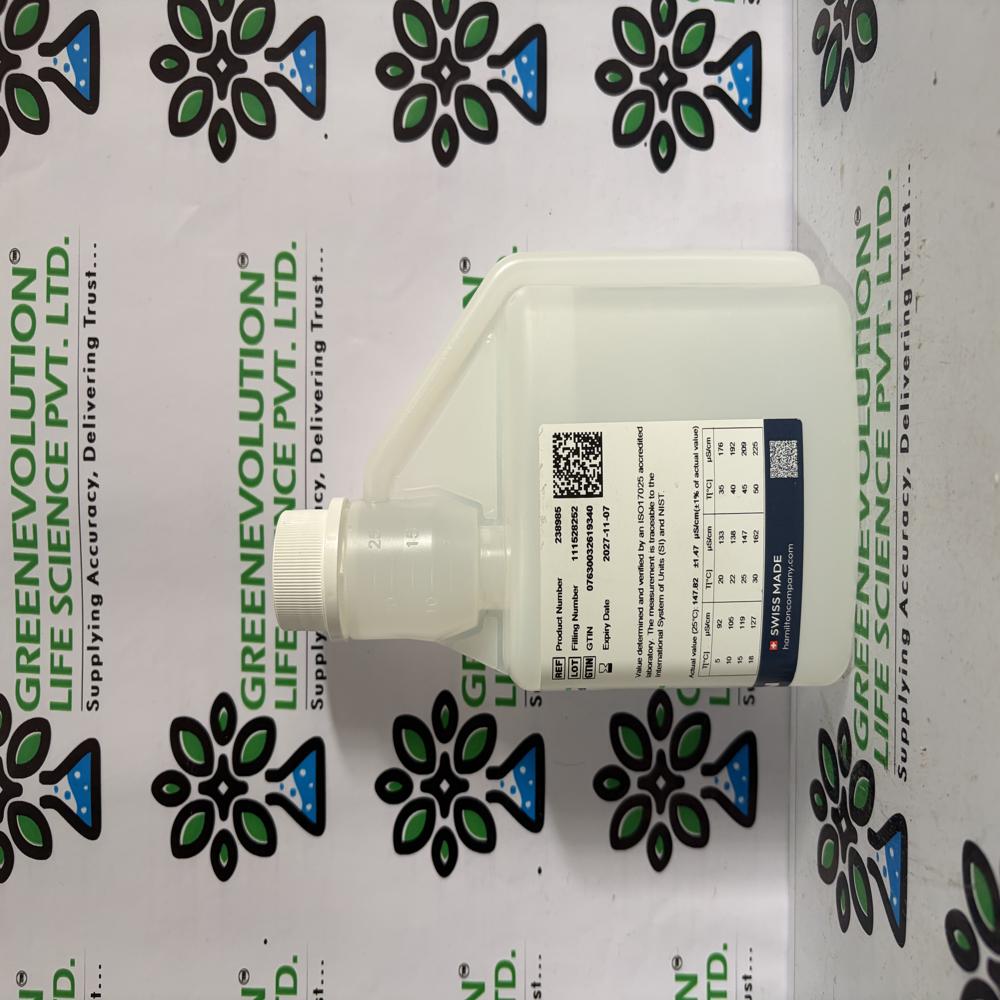
Temperature Influence of Conductivity Standard is a laboratory reference solution or standard used to study and evaluate the effect of temperature on electrical conductivity measurements. Electrical conductivity indicates the ability of a solution to conduct electric current and generally changes with temperature due to variations in ion mobility and solution properties. Conductivity standards are used for checking, calibrating, and verifying conductivity meters and probes under specified conditions. They are important in water quality testing, chemical analysis, environmental monitoring, educational laboratories, and industrial process control. The exact composition, nominal conductivity value, and temperature reference depend on the specific product formulation. For accurate measurements, the standard should be used according to the manufacturers instructions, with the temperature recorded or compensated as required by the instrument. Avoid contaminating the solution during use, and do not return used solution to the original bottle. Store the container tightly closed and follow the product label for temperature limits, handling precautions, and shelf life.






 Send Inquiry


 Send Inquiry


 Send Inquiry
 Send SMS
