

Call us now
08045816411
Call us now
08045816411

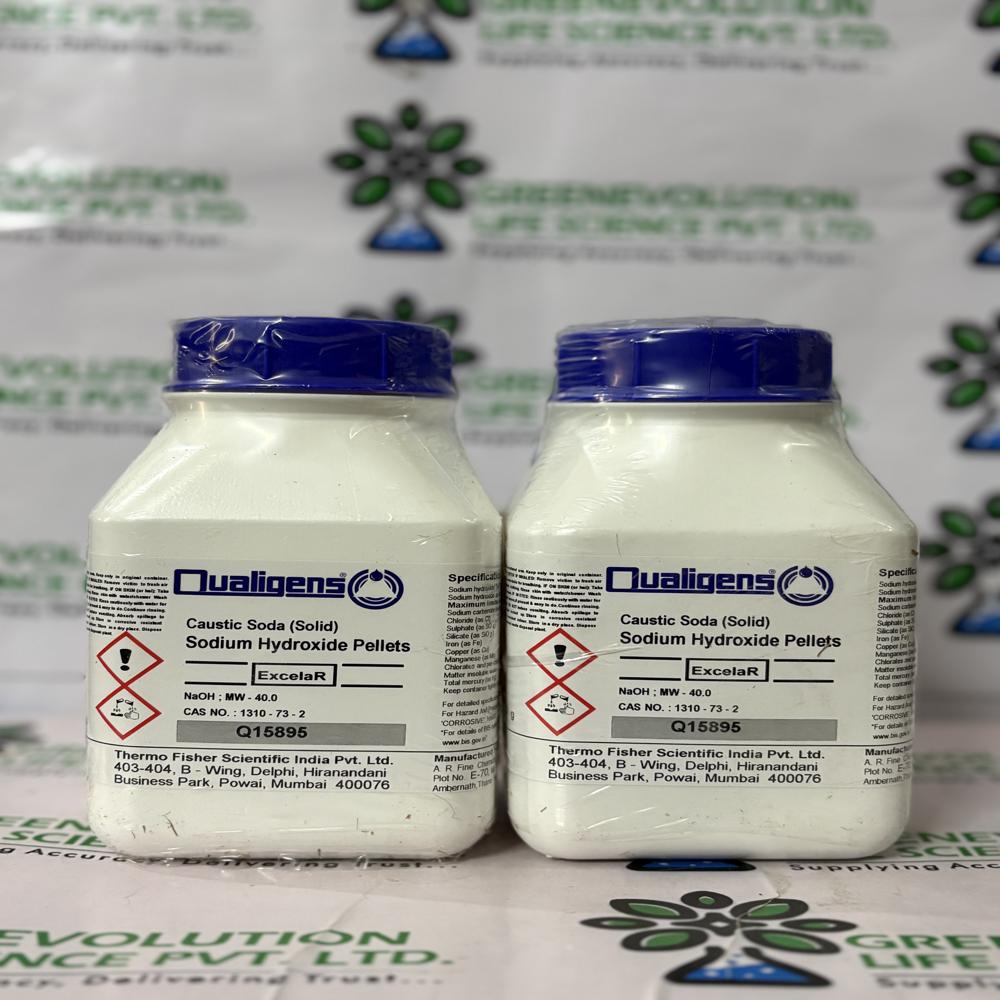
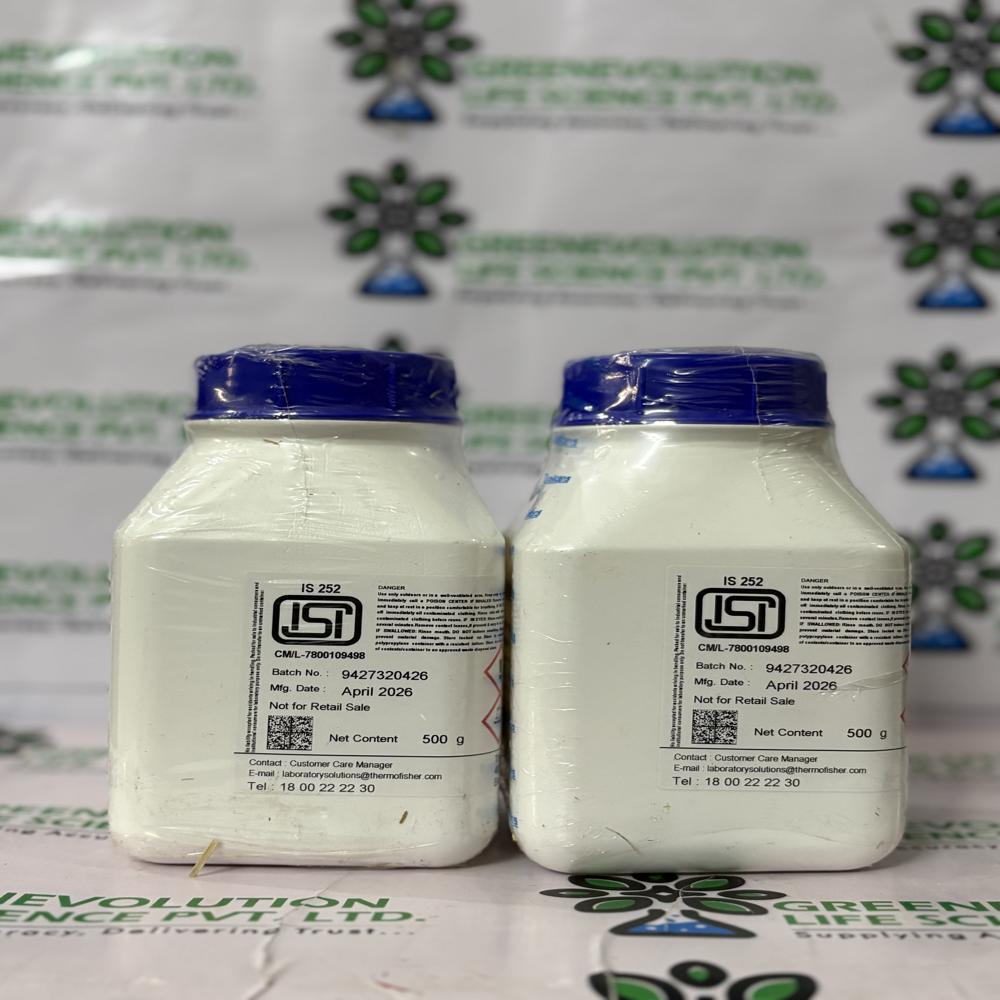
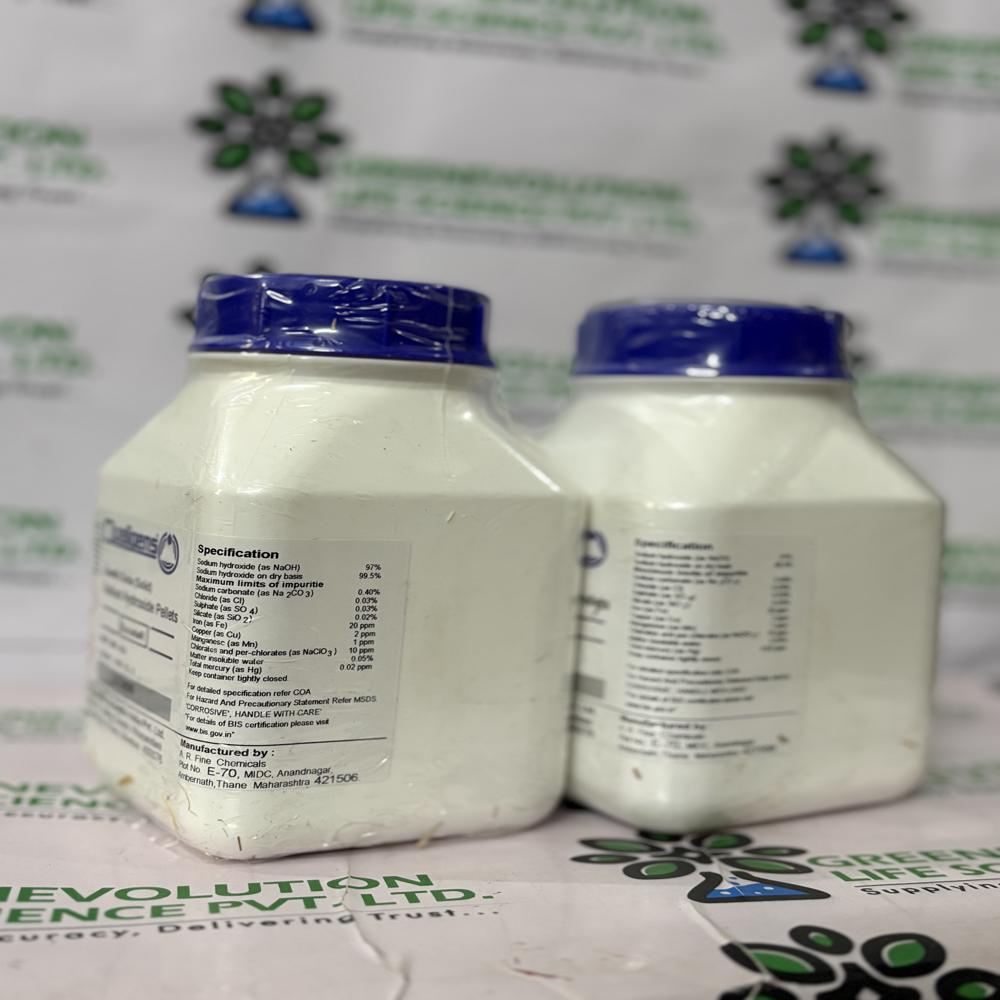
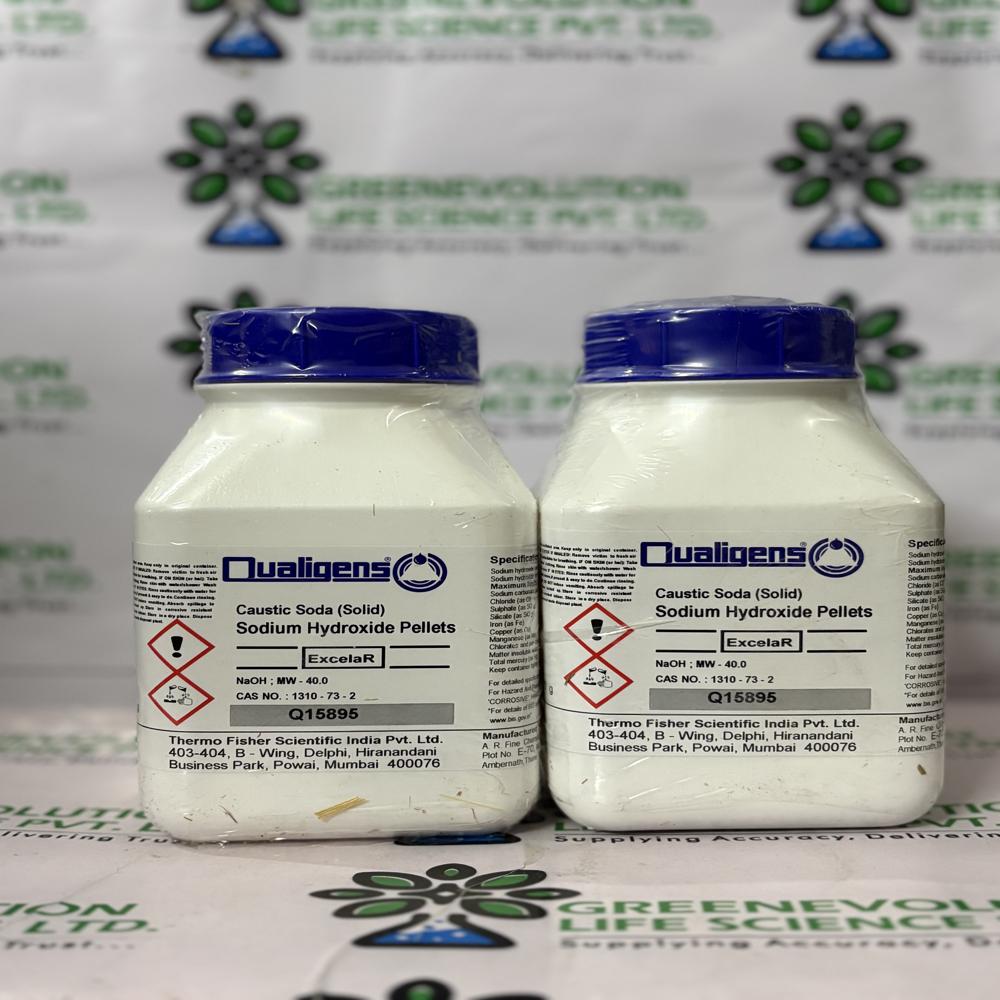

Price:
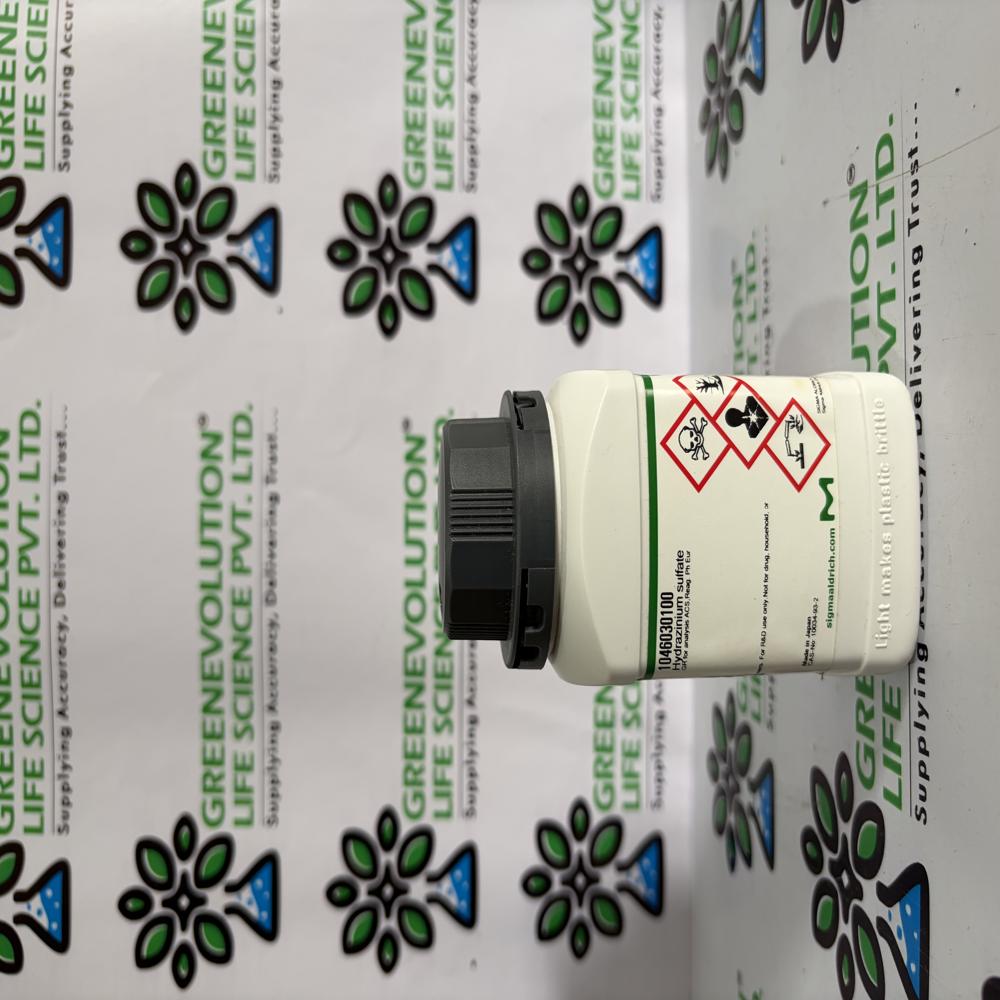
Price 6669.0 INR / Kilograms
Minimum Order Quantity : 1 Kilograms
Usage : Analytical reagent
Shelf Life : Refer to manufacturer label/COA Months
Appearance : White crystalline powder / crystals
Application : Laboratory and analytical applications
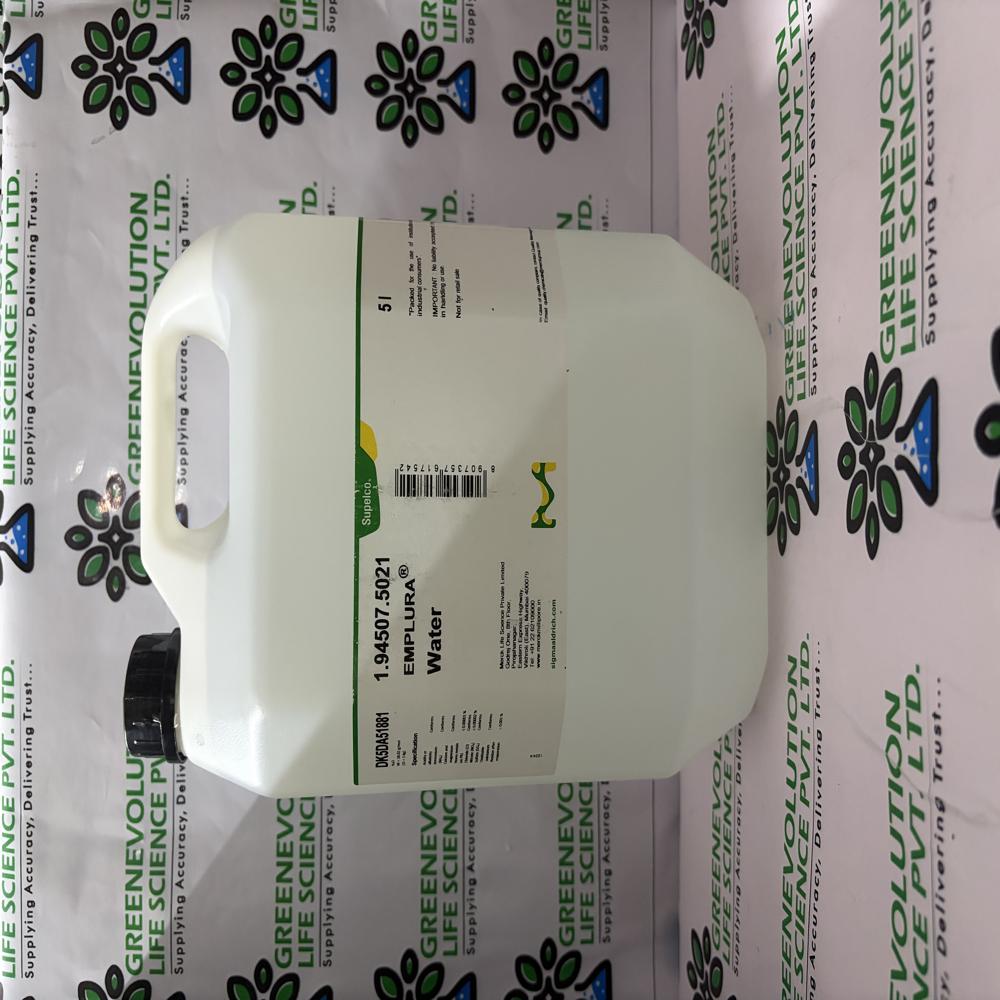
Price 1120.00 INR / Piece
Minimum Order Quantity : 1 Piece
Usage : For laboratory analysis, reagent preparation
Shelf Life : Refer to package label
Appearance : Clear, colorless liquid
Application : Laboratory, industrial, and analytical use
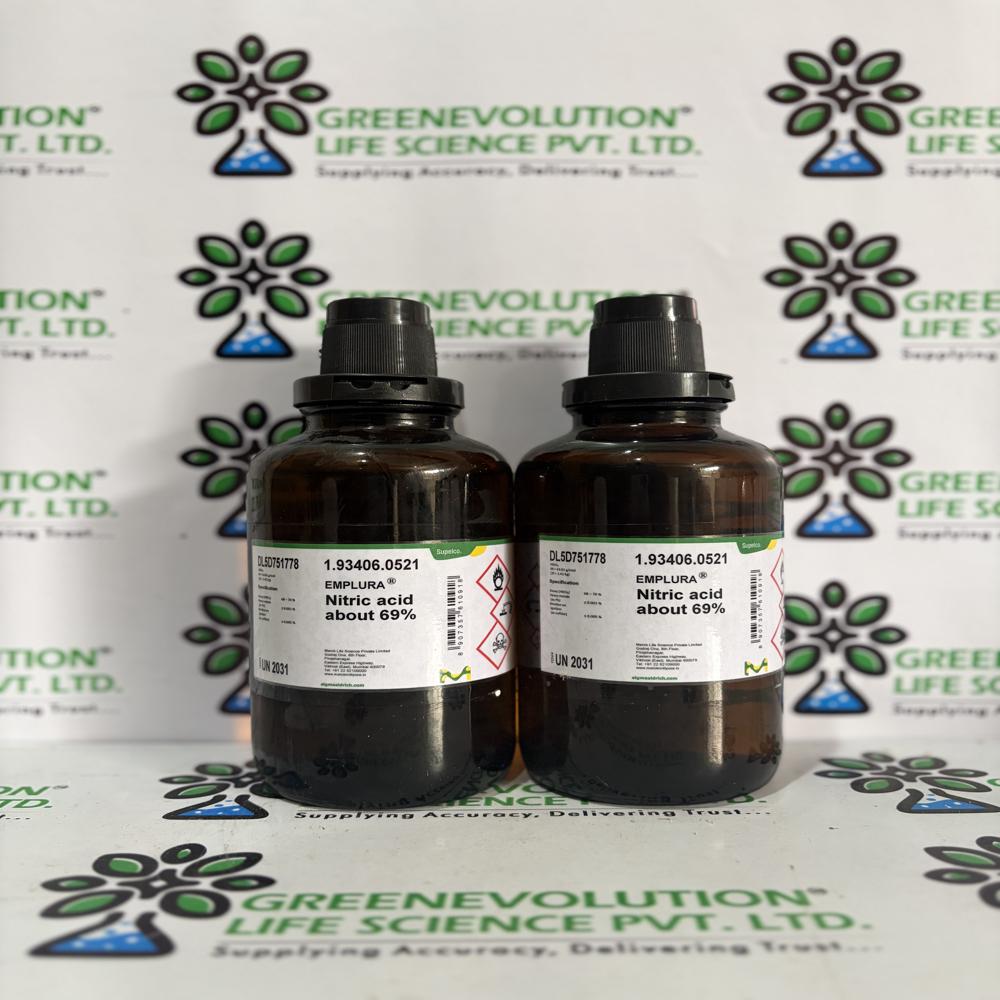
Price 1000.00 INR / Gallon
Minimum Order Quantity : 1 Gallon
Usage : Laboratory analysis, sample preparation and chemical testing
Shelf Life : As per manufacturer expiry date Months
Appearance : Clear, colorless liquid
Application : Analytical laboratory reagent and chemical analysis
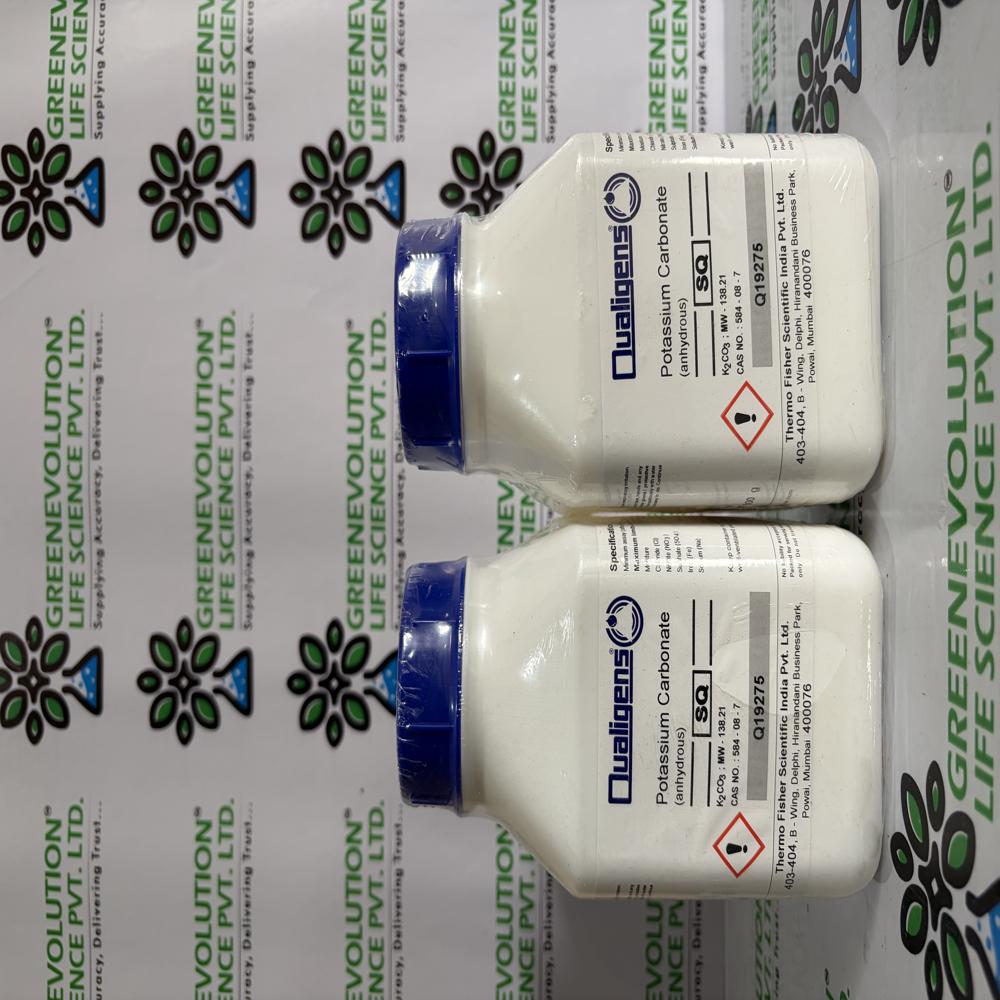
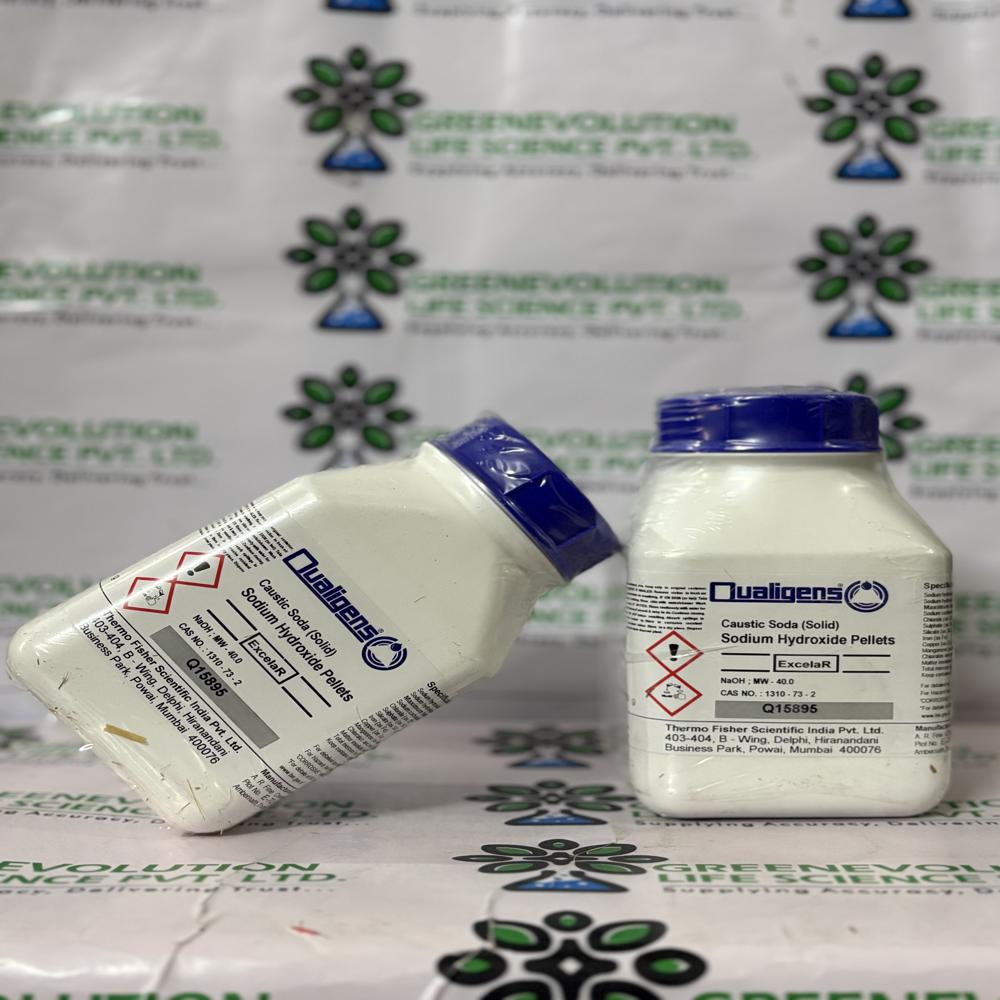
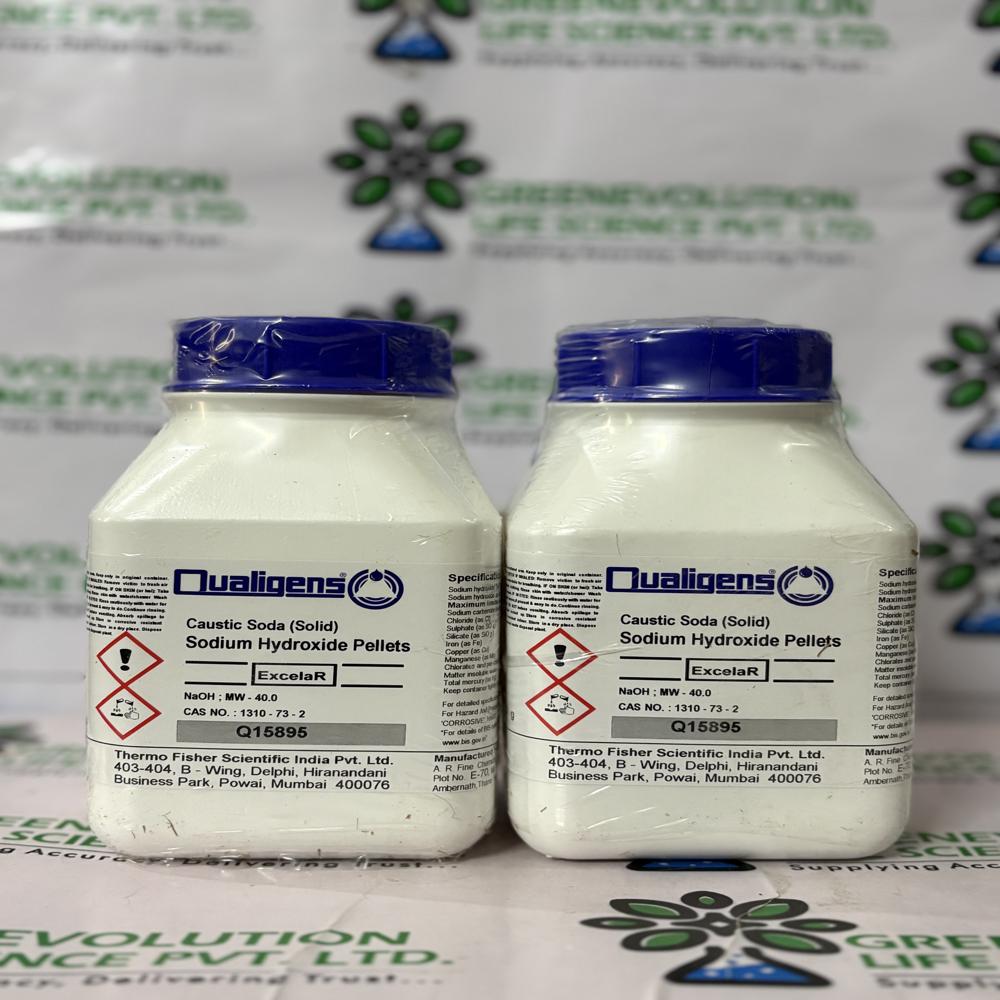
Price 765.0 INR / Kilograms
Minimum Order Quantity : 1 Kilograms
Usage : Chemical reagent, pH adjuster, drying agent
Shelf Life : 5 Years Years
Appearance : White solid/powder
Application : Laboratory, chemical analysis, industrial applications


 Send Inquiry


 Send Inquiry


 Send Inquiry
 Send SMS
