About MOHR PIPETTES Class A
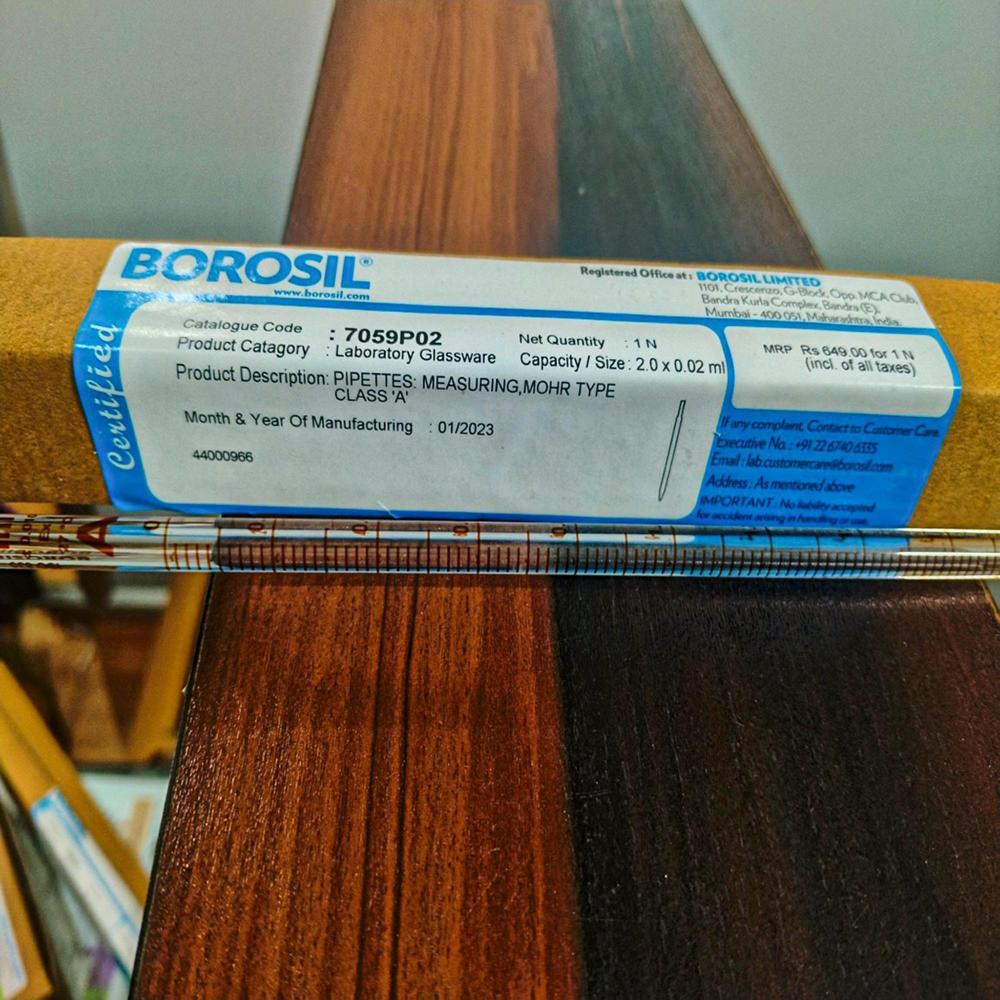
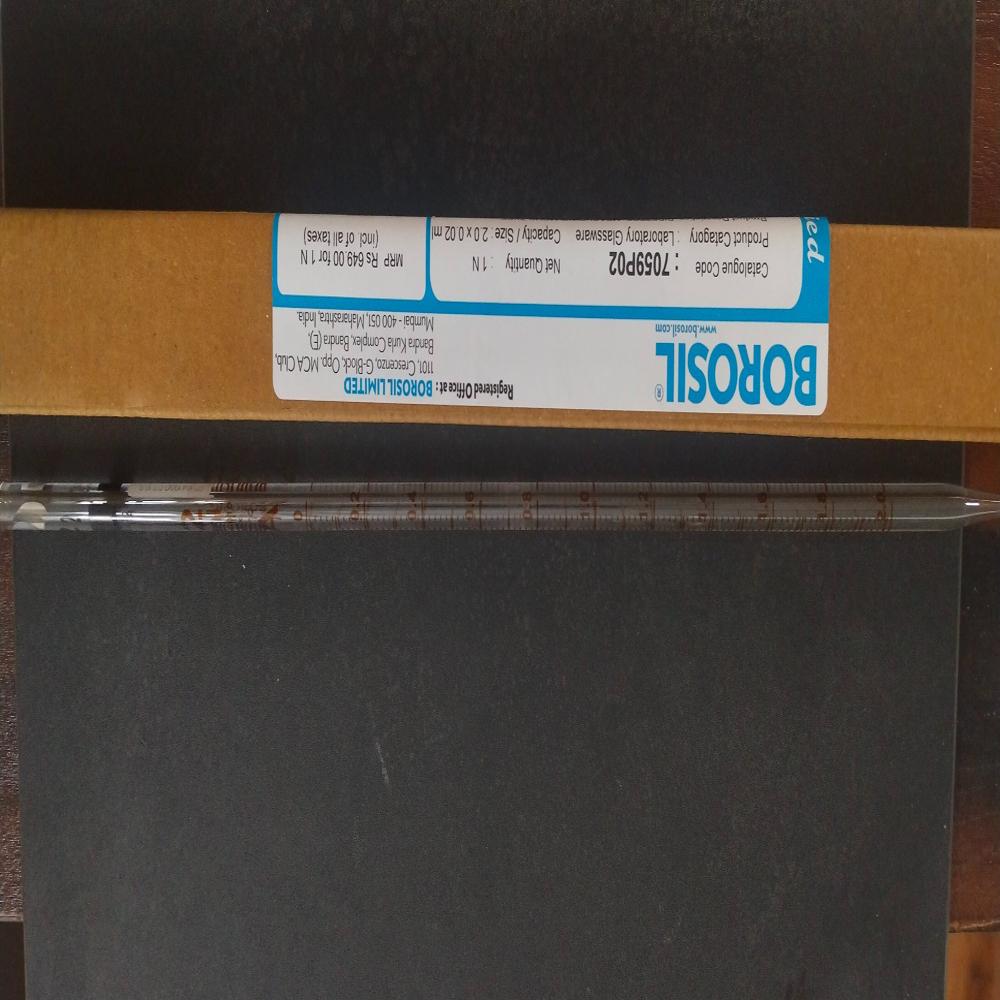
A Mohr pipette is a graduated glass or plastic tube that measures the volume of liquids. It's used in labs to move small amounts of liquids between containers. How it works
- A Mohr pipette has marked lines that indicate different volumes.
- The volume is calculated by subtracting the liquid level before and after dispensing.
- The last graduation mark is not at the tip of the pipette to avoid measuring the narrow nozzle.
Features
- Mohr pipettes are made of glass or plastic.
- They have a tap on the tip to control the flow of liquid.
- They are used in titrations and clinical analyses.
- They are less accurate than volumetric pipettes.
Uses
- Mohr pipettes are used to measure the volume of liquids in labs.
- They are used to move small amounts of liquids between containers.
- They are used in titrations and clinical analyses.
History
- Karl Friedrich Mohr, the father of volumetric analysis, invented the Mohr pipette.
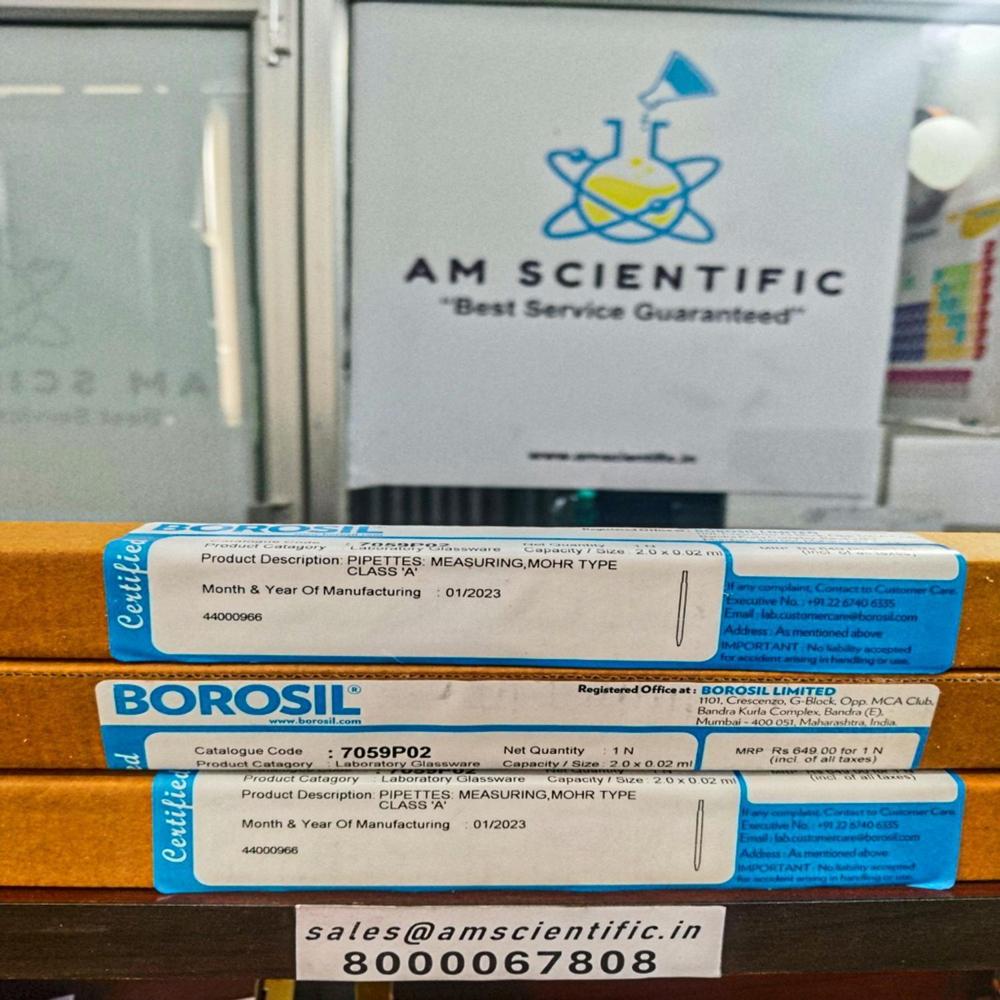
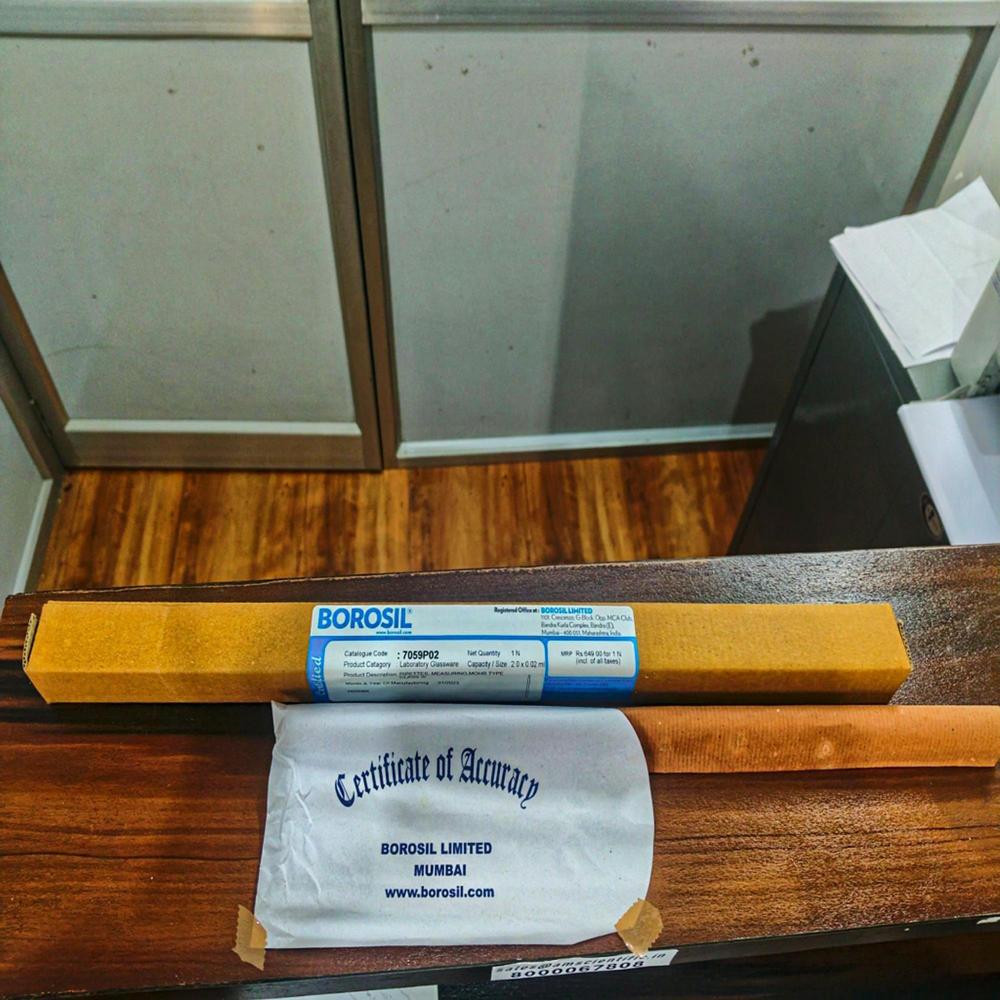
Precision and Reliability with Borosilicate GlassMOHR PIPETTES Class A are crafted from durable borosilicate glass, offering optimal chemical stability and resistance for laboratory environments. The fully transparent design allows professionals to visually monitor sample levels with ease. High-precision graduations enable accurate measurement, which is crucial in sensitive experimental and analytical work. Their robust construction supports frequent usage without compromising measurement reliability.
Application and Compatibility in LaboratoriesDesigned for general laboratory applications, these 2ML MOHR PIPETTES are suitable for a diverse range of tasks, from sample preparation to analytical studies. Their universal size and compliance with Class A standards ensure compatibility with various laboratory protocols. The pipettes can be used with standard pipette bulbs or automated systems, adapting easily to different laboratory workflows.
FAQ's of MOHR PIPETTES Class A:
Q: How are MOHR PIPETTES Class A typically used in a laboratory setting?
A: MOHR PIPETTES Class A are primarily used for the precise measurement and transfer of liquids in laboratory environments. Their 2ML capacity is ideal for analytical tasks requiring accurate volumetric measurement. Users typically attach a pipette bulb, draw liquid up to the required mark, and carefully dispense it to ensure self-consistent results.
Q: What is the benefit of using borosilicate glass in MOHR PIPETTES?
A: Borosilicate glass provides superior resistance to chemical corrosion and thermal shock, ensuring long-lasting durability even with frequent use. This material maintains structural integrity under temperature fluctuations and exposure to various laboratory chemicals, making MOHR PIPETTES reliable for demanding research applications.
Q: When should I choose a 2ML pipette for laboratory work?
A: A 2ML pipette is most appropriate when handling small volumes of liquid with a need for high measurement accuracy. Select this size for tasks such as titrations, sample dilutions, or when precise liquid handling is required in quantitative analysis.
Q: Where are MOHR PIPETTES Class A manufactured and distributed from?
A: These pipettes are manufactured in India and distributed nationally and internationally by leading exporters, distributors, and suppliers. The network ensures prompt and reliable delivery to research institutions, clinics, and educational facilities around the world.
Q: What is the process for cleaning and maintaining MOHR PIPETTES?
A: To maintain the accuracy and longevity of MOHR PIPETTES, rinse them with distilled water immediately after use, followed by a suitable laboratory cleaning solution if necessary. Proper drying and careful storage prevent contamination and preserve calibration marks. Regular inspection for damage ensures consistent performance.
Q: How does using Class A pipettes benefit laboratory accuracy?
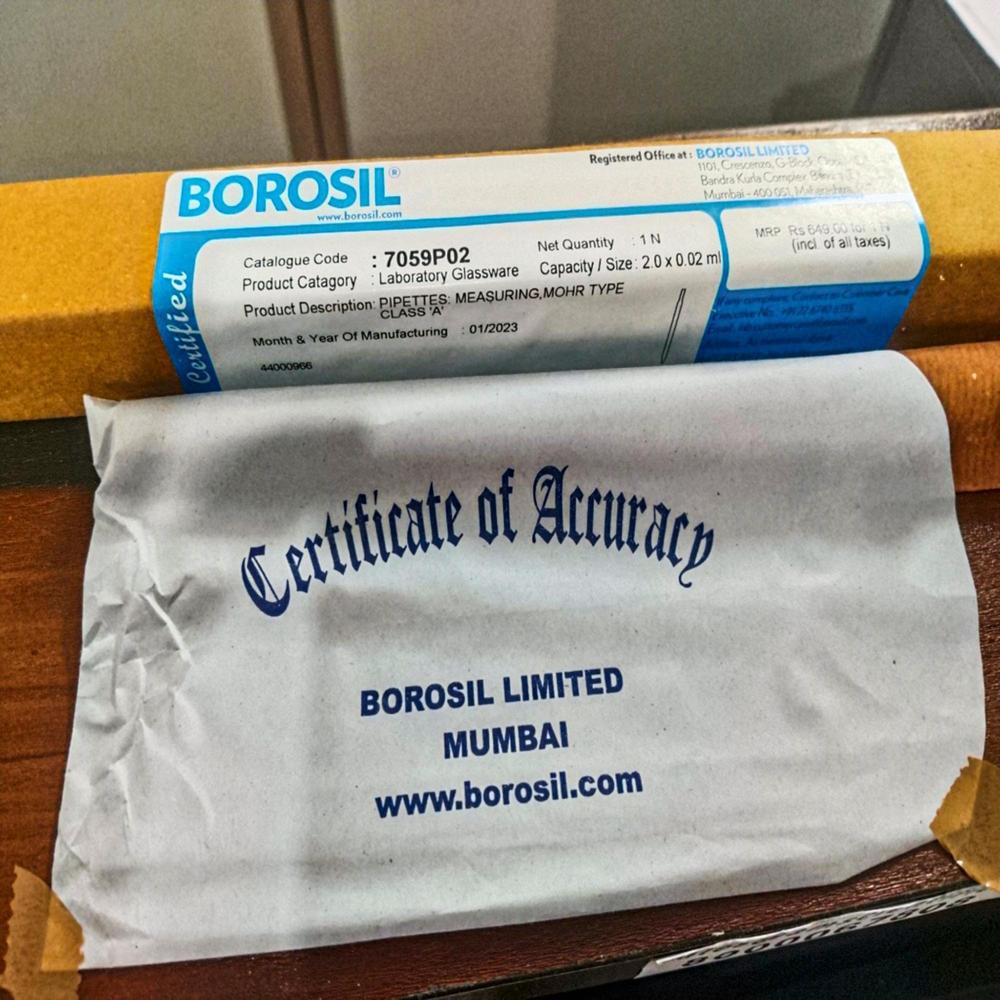
A: Class A pipettes adhere to strict calibration standards, guaranteeing higher measurement accuracy and reproducibility. This ensures that experimental results are reliable, which is essential for both routine laboratory procedures and critical research experiments.








 Send Inquiry

 Send Inquiry
 Send SMS