MacConkey Broth Specification
- Molecular Weight
- Not applicable mixture Grams (g)
- CAS No
- Not applicable mixture
- Shelf Life
- Refer to the manufacturer s label and expiry date Months
- Packaging Type
- Sealed laboratory container
- Purity
- Not applicable formulated culture medium
- Ph Level
- Typically around 7.3 0.2 at 25 C; verify the product label
- Molecular Formula
- Not applicable mixture
- Flash Point
- Not applicable to the formulated solid medium
- Storage Instructions
- Store tightly closed in a cool, dry place, away from moisture and direct sunlight
- Boiling point
- Not applicable
- Physical State
- Solid powder
- Usage
- Preparation of broth medium for microbiological testing
- Density
- Not available mixture Gram per cubic centimeter(g/cm3)
- Melting Point
- Not applicable
- Grade
- Microbiological / Laboratory Grade
- Application
- Detection and presumptive identification of coliform bacteria
- Appearance
- Dehydrated powder; prepared broth is typically purple-red to reddish-purple
- Purity(%)
- Not applicable formulated culture medium
MacConkey Broth Trade Information
- Minimum Order Quantity
- 1 Kilograms
About MacConkey Broth
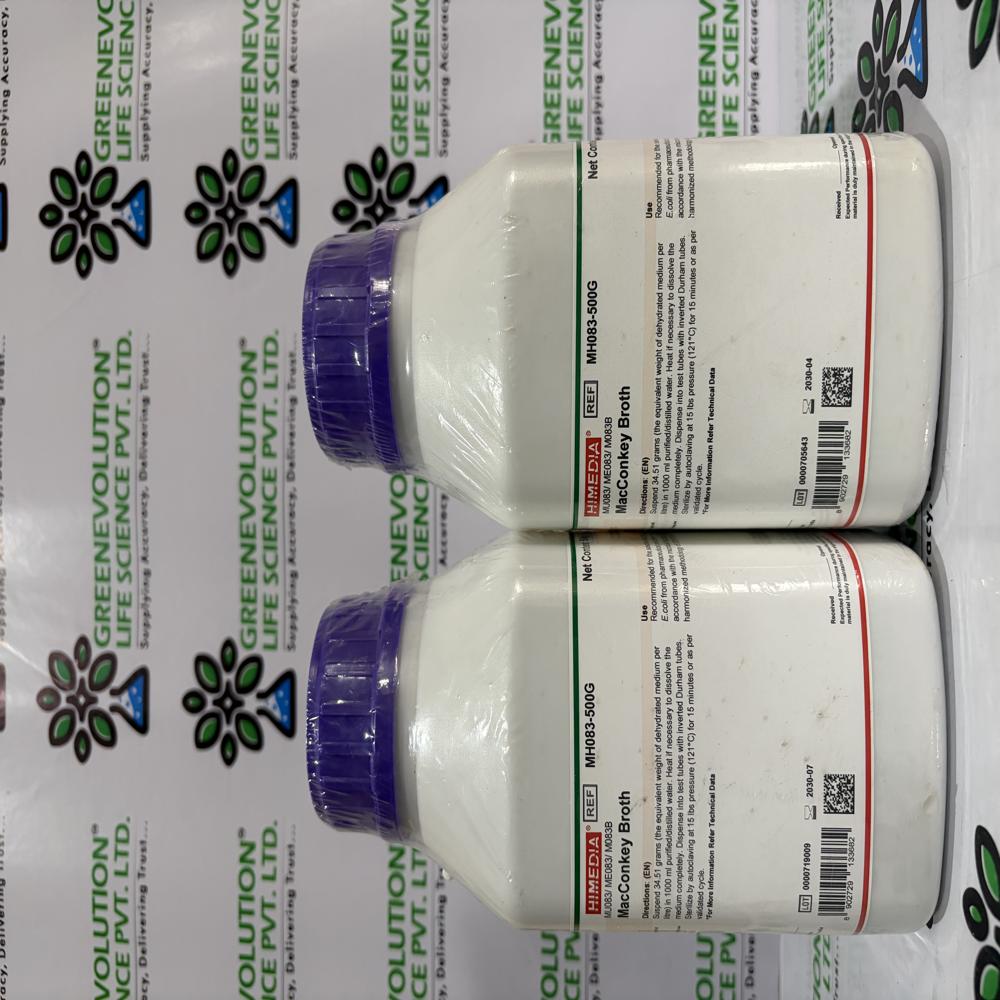
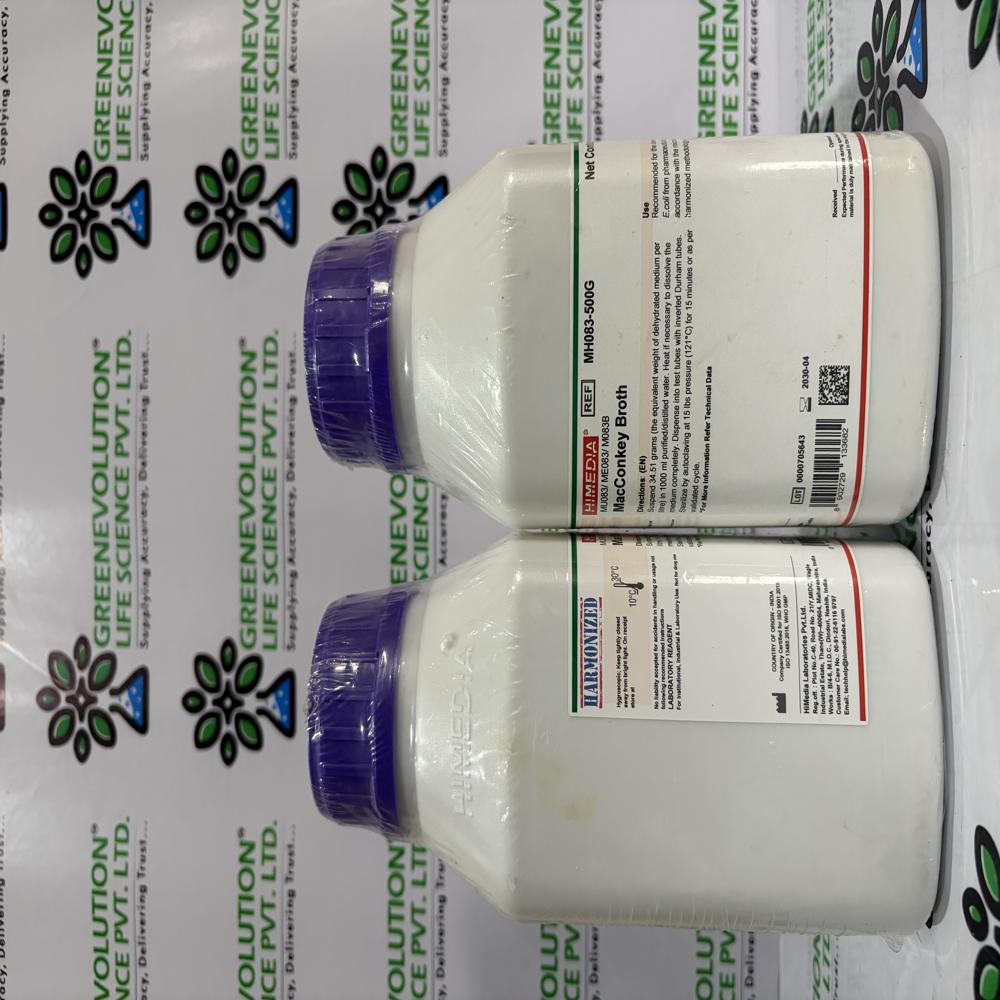
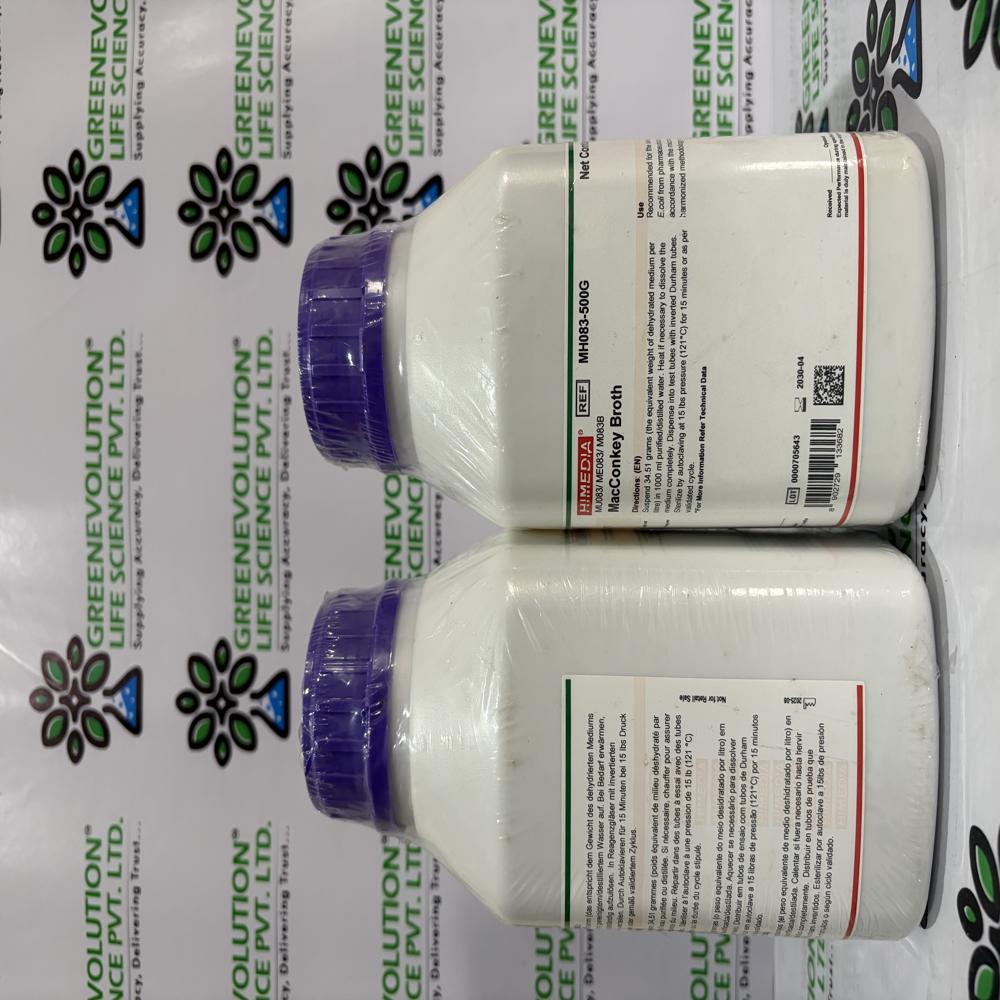
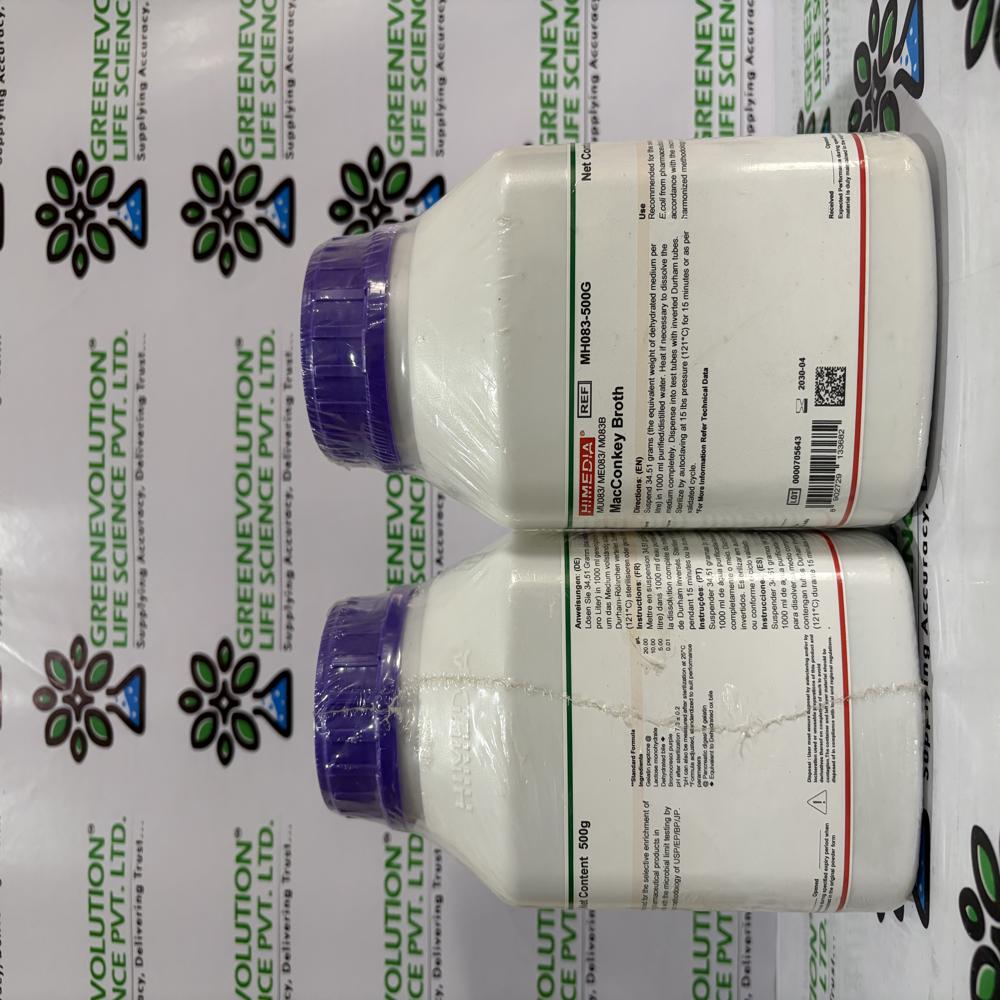
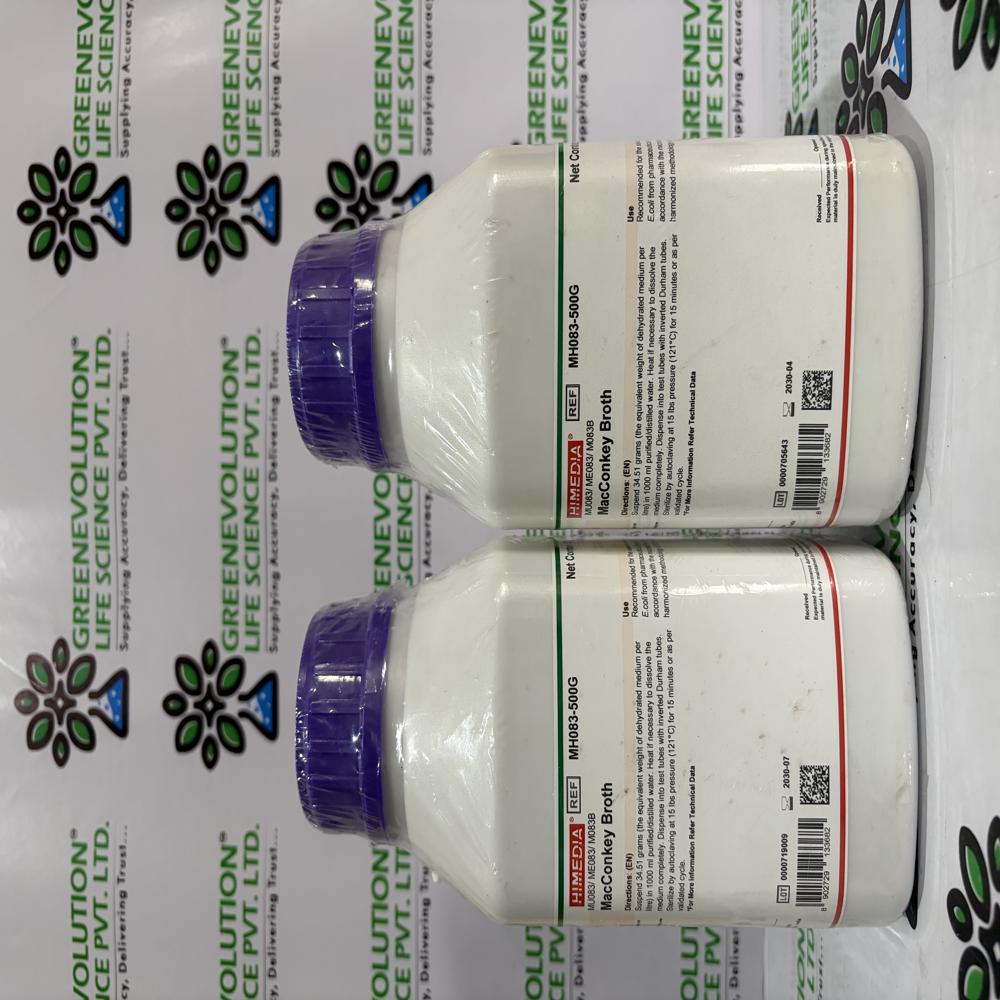
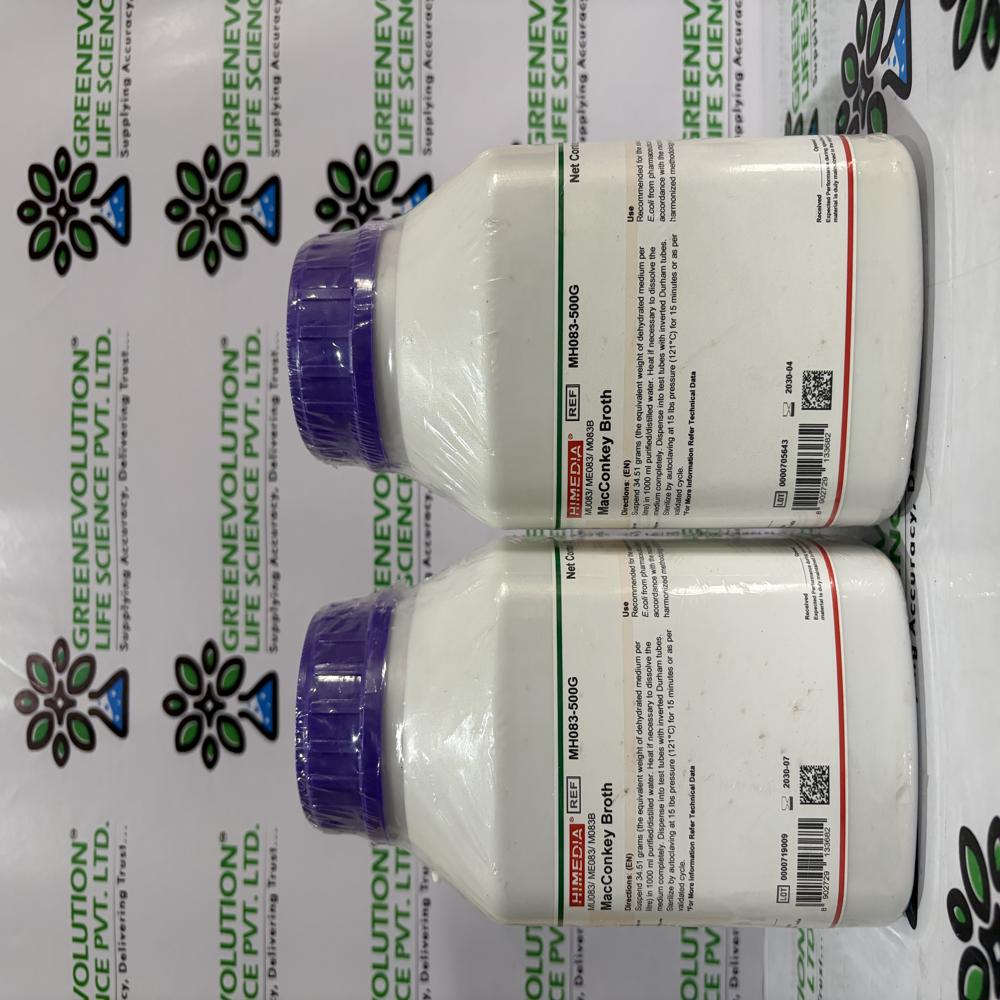
MacConkey Broth is a selective and differential microbiological culture medium used for the detection and presumptive identification of coliform bacteria in water, food, dairy products, and other laboratory samples. It contains peptone to provide essential nutrients, lactose as a fermentable carbohydrate, bile salts to inhibit many Gram-positive bacteria, and a pH indicator to help detect acid production resulting from lactose fermentation. Gas production may also be observed when suitable fermentation tubes are used. This medium is commonly used in water quality testing, food microbiology, pharmaceutical quality control, and routine microbiological analysis. It helps laboratories assess possible coliform contamination and supports microbiological monitoring procedures. The dehydrated broth is prepared by dissolving the required quantity in distilled water and sterilizing according to the manufacturers instructions. The prepared medium should be used with appropriate laboratory controls and validated testing procedures. It is intended for laboratory use by trained personnel and should be stored under the conditions specified on the product label.