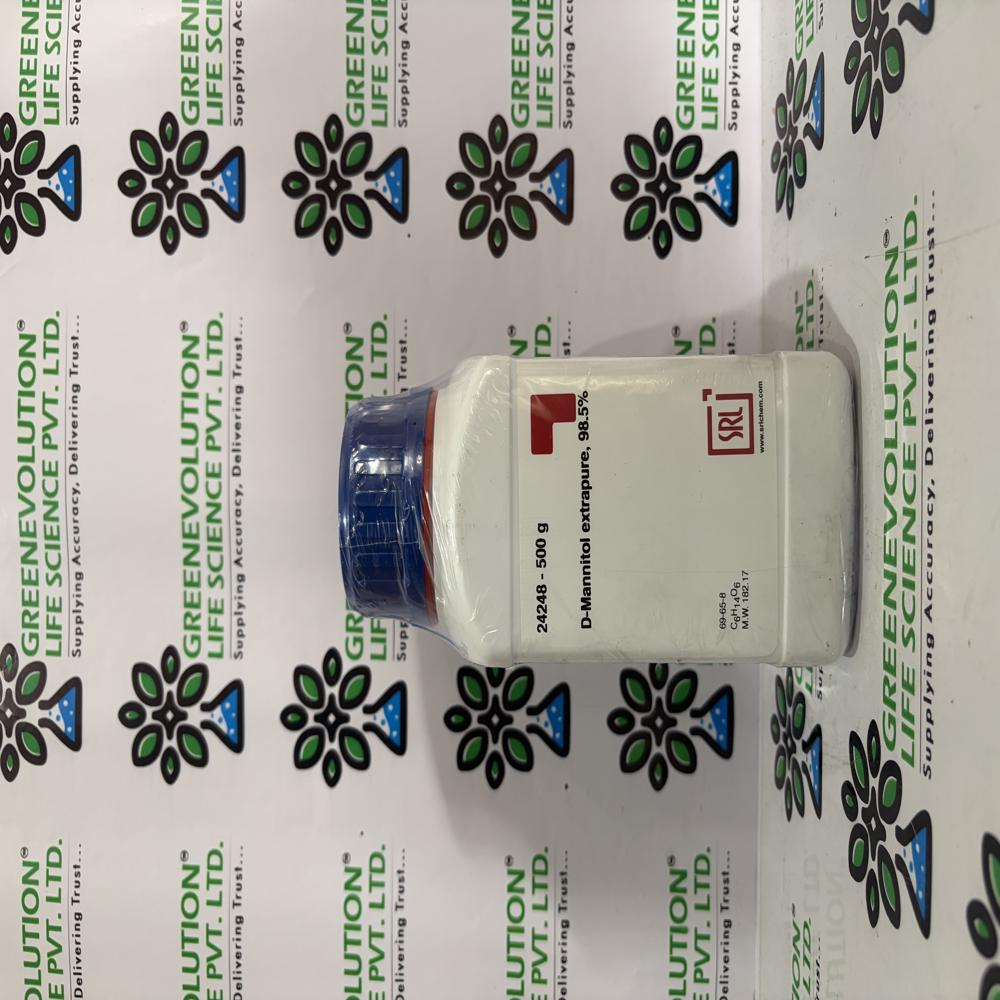
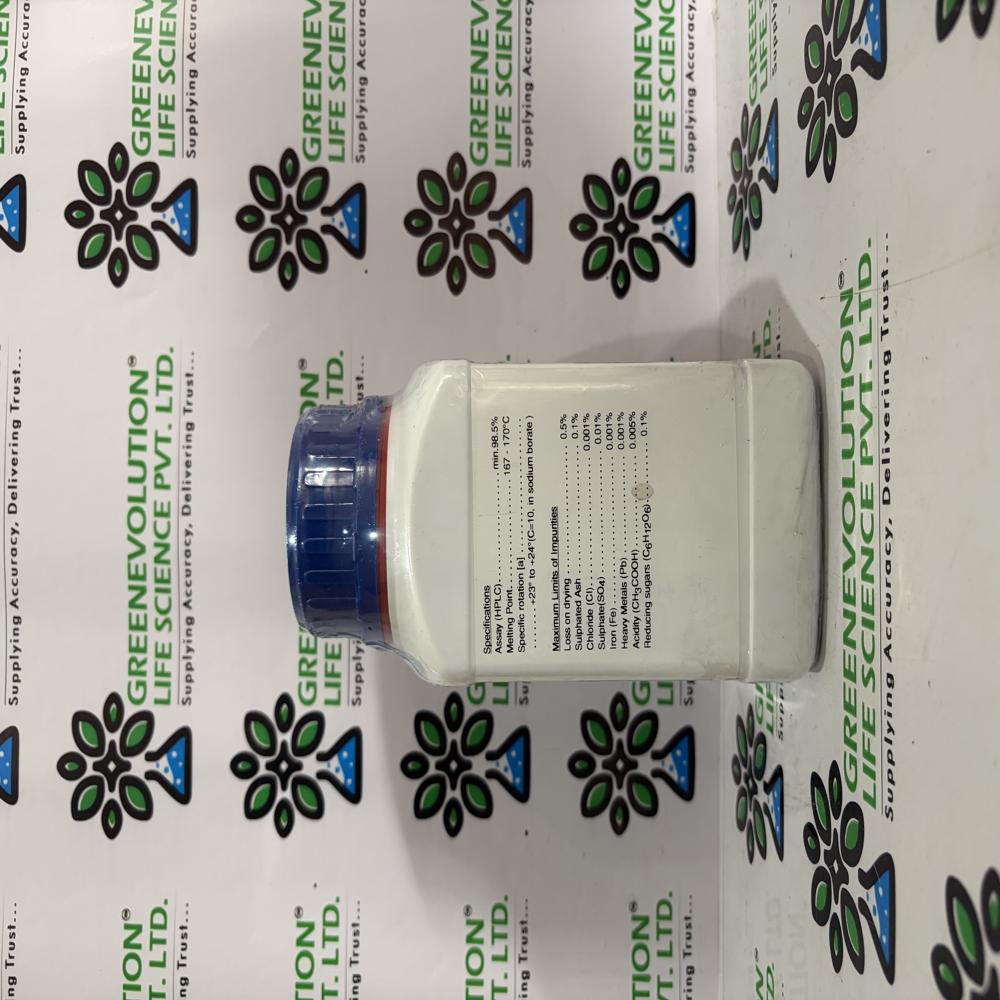
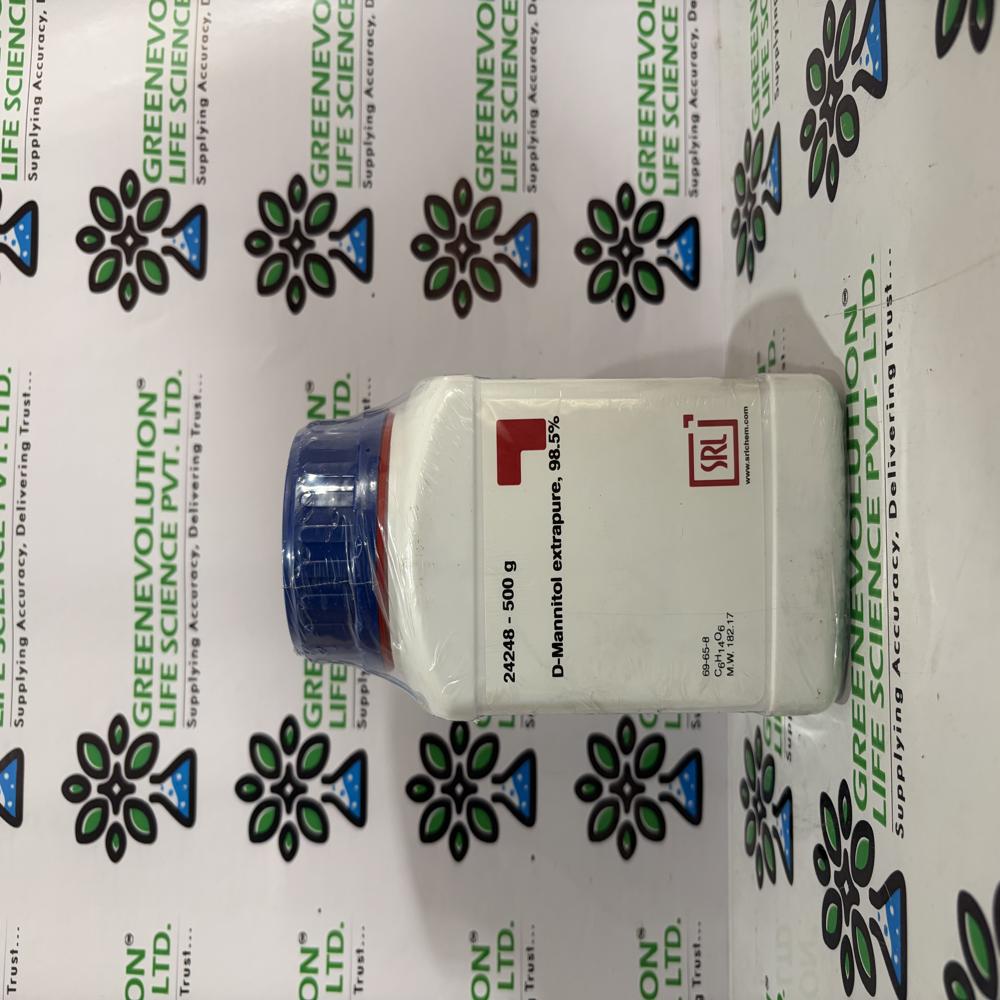
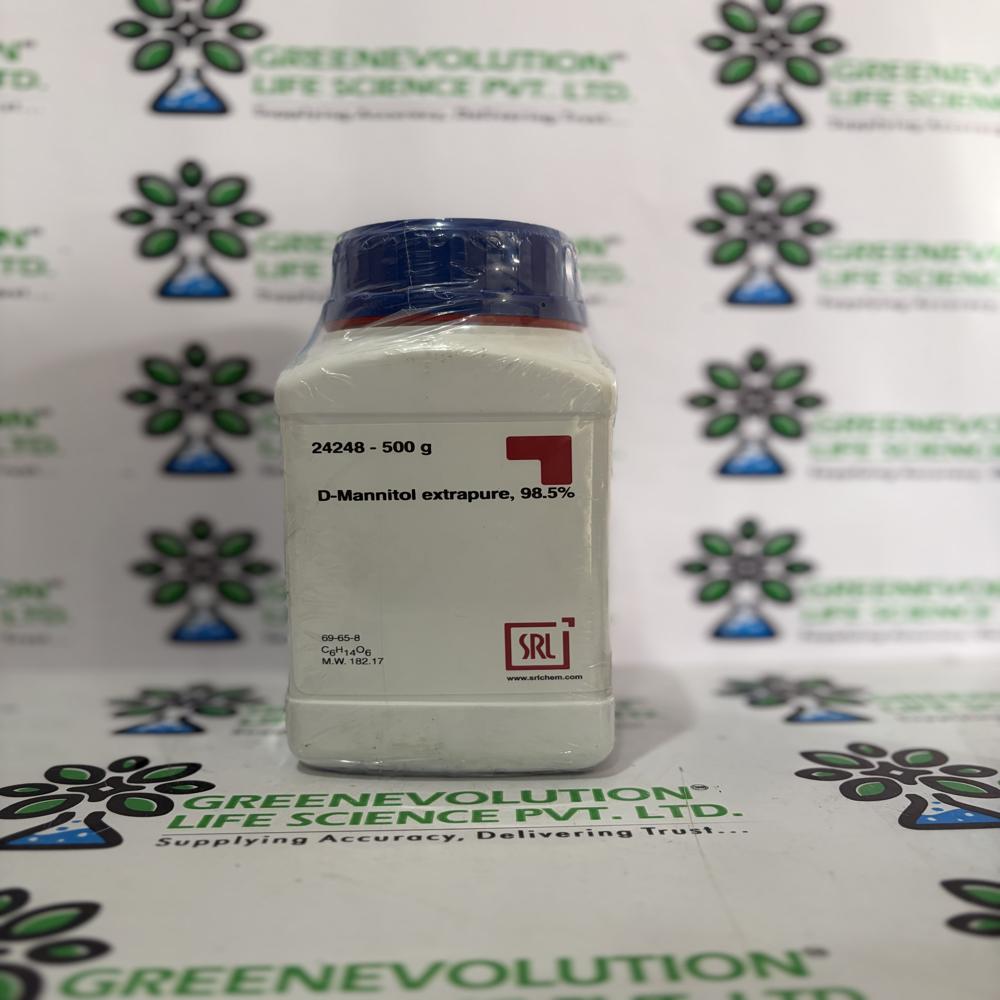
D-Mannitol extrapure, 98.5% Specification
- Flash Point
- Not reliably specified; consult the product Safety Data Sheet
- Usage
- Laboratory reagent and ingredient for suitable formulation and research applications
- Packaging Type
- Manufacturer-sealed chemical container
- Density
- Approximately 1.49 g/cm Gram per cubic centimeter(g/cm3)
- Ph Level
- Not applicable to the dry solid; aqueous solution pH depends on concentration and water quality
- Molecular Weight
- 182.17 g/mol Grams (g)
- Storage Instructions
- Store in a tightly closed container in a cool, dry place, protected from contamination and moisture
- Shelf Life
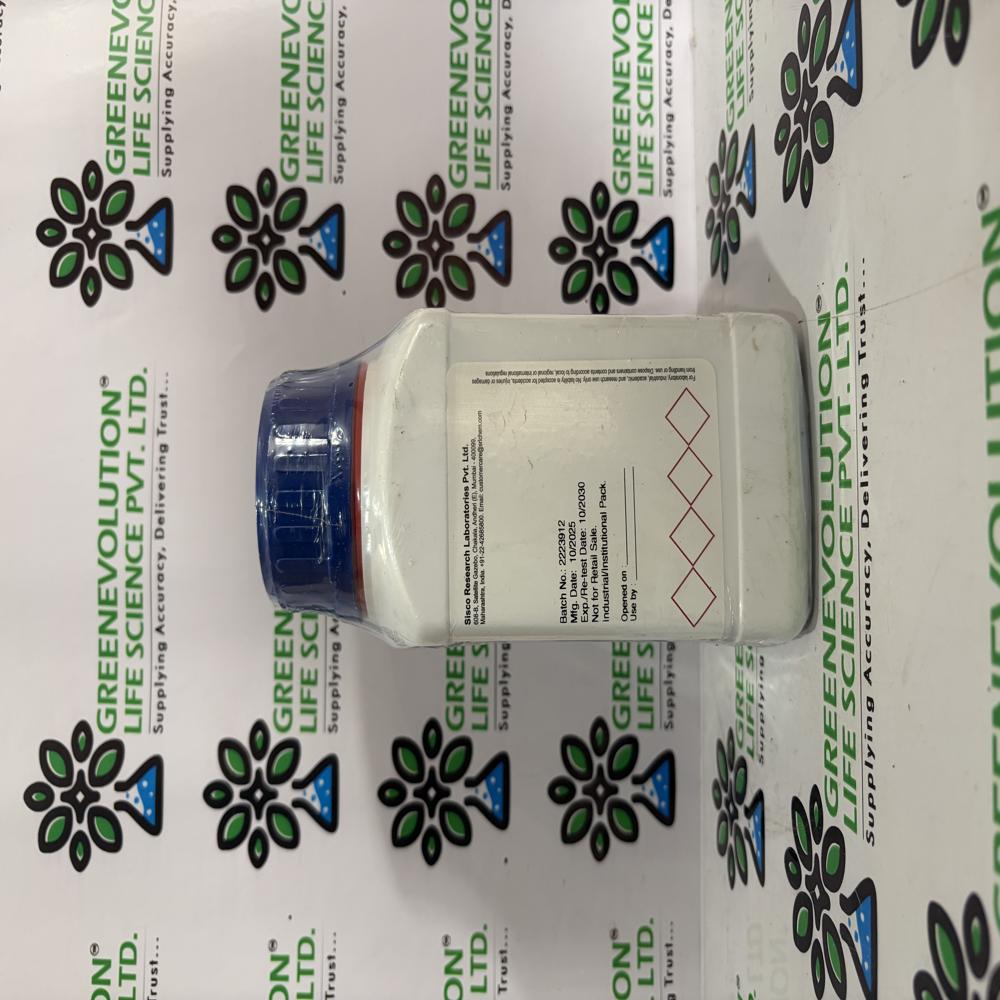
- Refer to the manufacturer s label and expiry or retest date Months
- Melting Point
- Approximately 165 169 C
- Boiling point
- Not applicable under normal conditions; decomposes on heating
- Application
- Pharmaceutical formulations, biochemical research, laboratory analysis, and chemical preparation
- Appearance
- White crystalline powder
D-Mannitol extrapure, 98.5% Trade Information
- Minimum Order Quantity
- 1 Kilograms
About D-Mannitol extrapure, 98.5%
D-Mannitol Extrapure is a high-purity sugar alcohol commonly used in pharmaceutical, chemical, food, and laboratory applications. It is a naturally occurring polyol that can be obtained from various plant sources and is also manufactured commercially. D-Mannitol is widely used as an excipient in pharmaceutical formulations, where it may serve as a diluent, bulking agent, or stabilizing ingredient. In laboratories, it is used in biochemical research, analytical procedures, and the preparation of experimental solutions. Its relatively low hygroscopicity and characteristic sweet taste make it useful in selected formulation applications. The extrapure grade with a specified purity of 98.5% is intended for applications requiring a defined level of chemical quality. The compound is generally supplied as a white crystalline powder. It should be stored in a tightly closed container in a cool, dry place to prevent contamination and maintain product quality. Always consult the suppliers label and Certificate of Analysis for exact specifications and suitability for the intended use.






 Send Inquiry


 Send Inquiry


 Send Inquiry
 Send SMS
