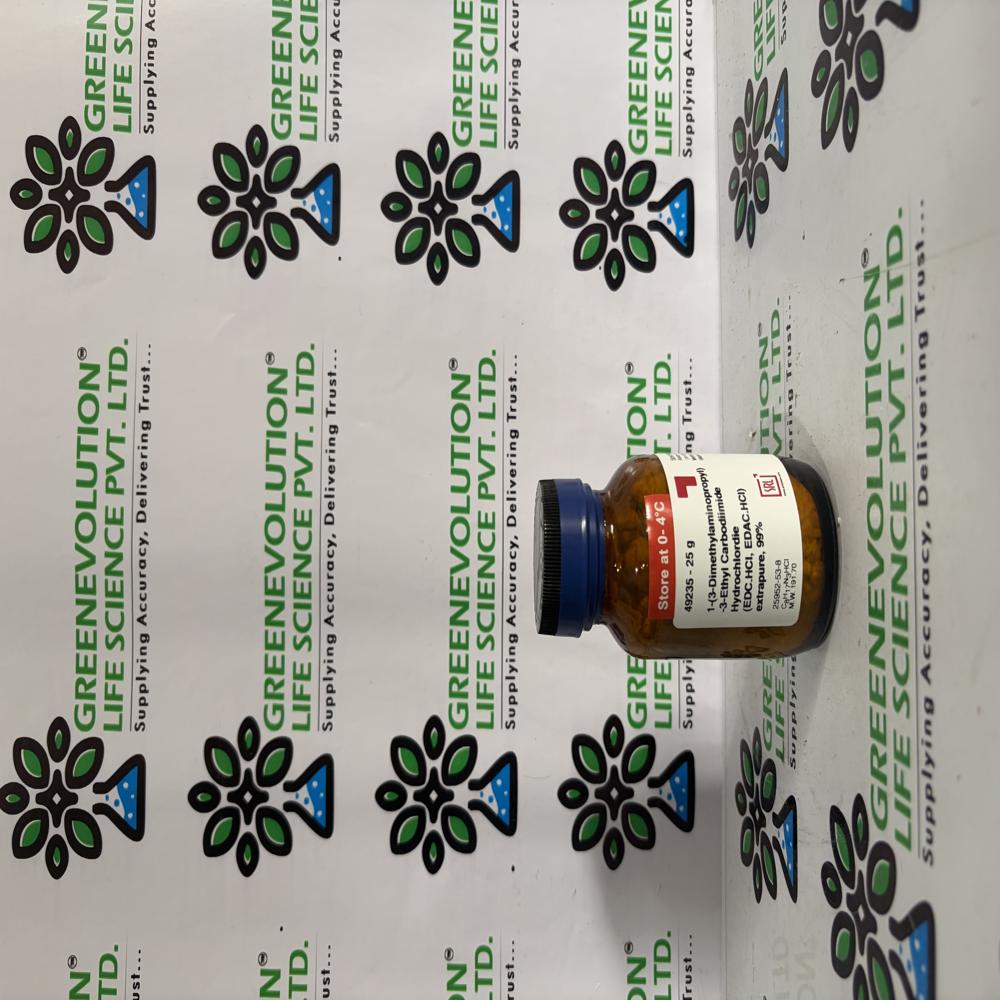
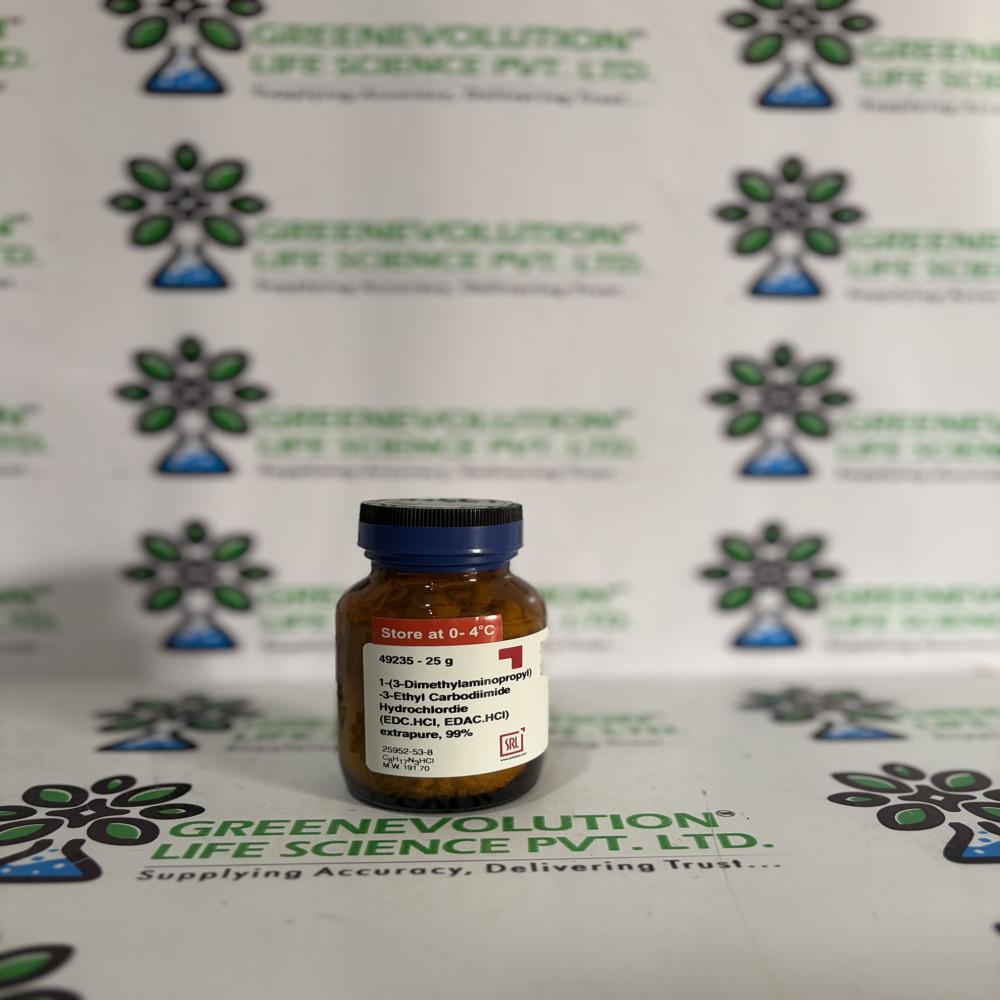
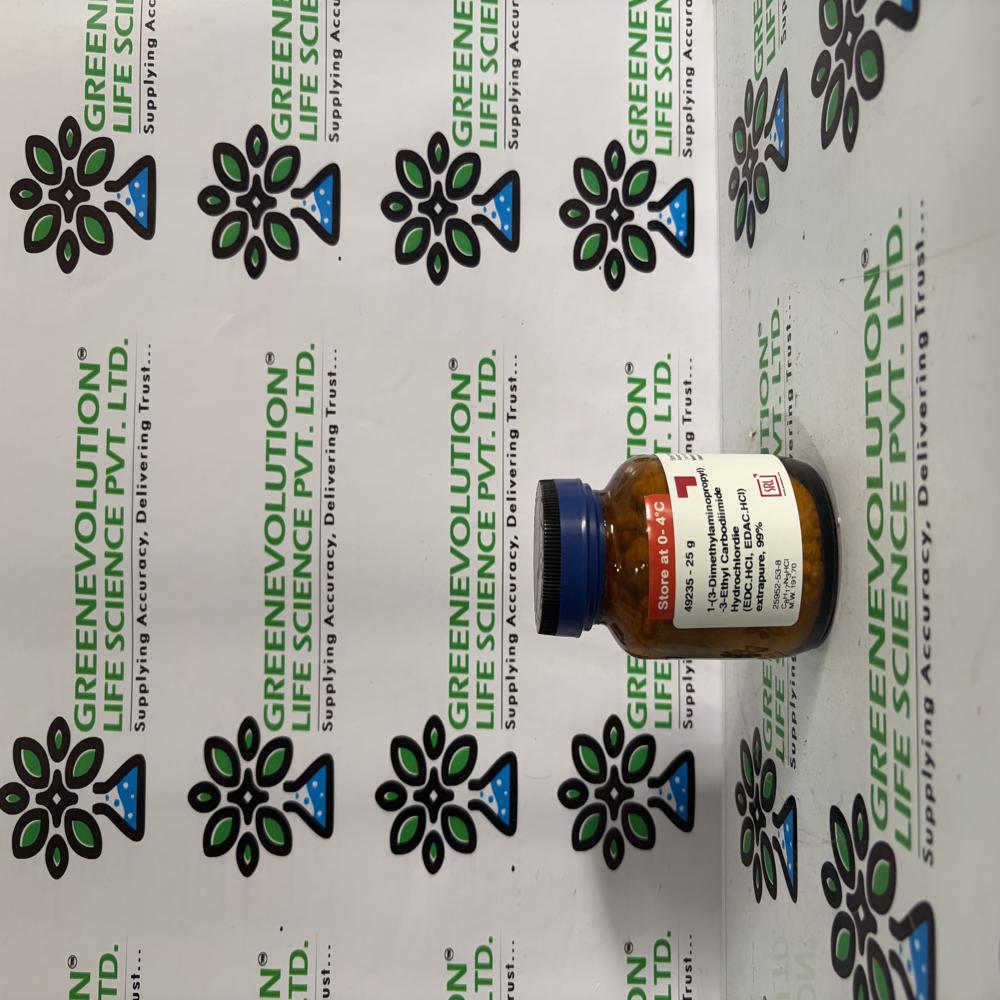
1-(3-Dimethylaminopropyl)-3-Ethyl Carbodiimide Hydrochloride (EDC.HCl, EDAC.HCl) extrapure, 99% Specification
- Molecular Formula
- C H N HCl
- Molecular Weight
- 191.70 g/mol Grams (g)
- Storage Instructions
- Store tightly closed in a cool, dry place. Protect from moisture and follow the manufacturer s storage instructions.
- Density
- Not reliably specified Gram per cubic centimeter(g/cm3)
- Flash Point
- Not available; consult the Safety Data Sheet
- Ph Level
- Not applicable to the dry solid; aqueous solution pH depends on concentration
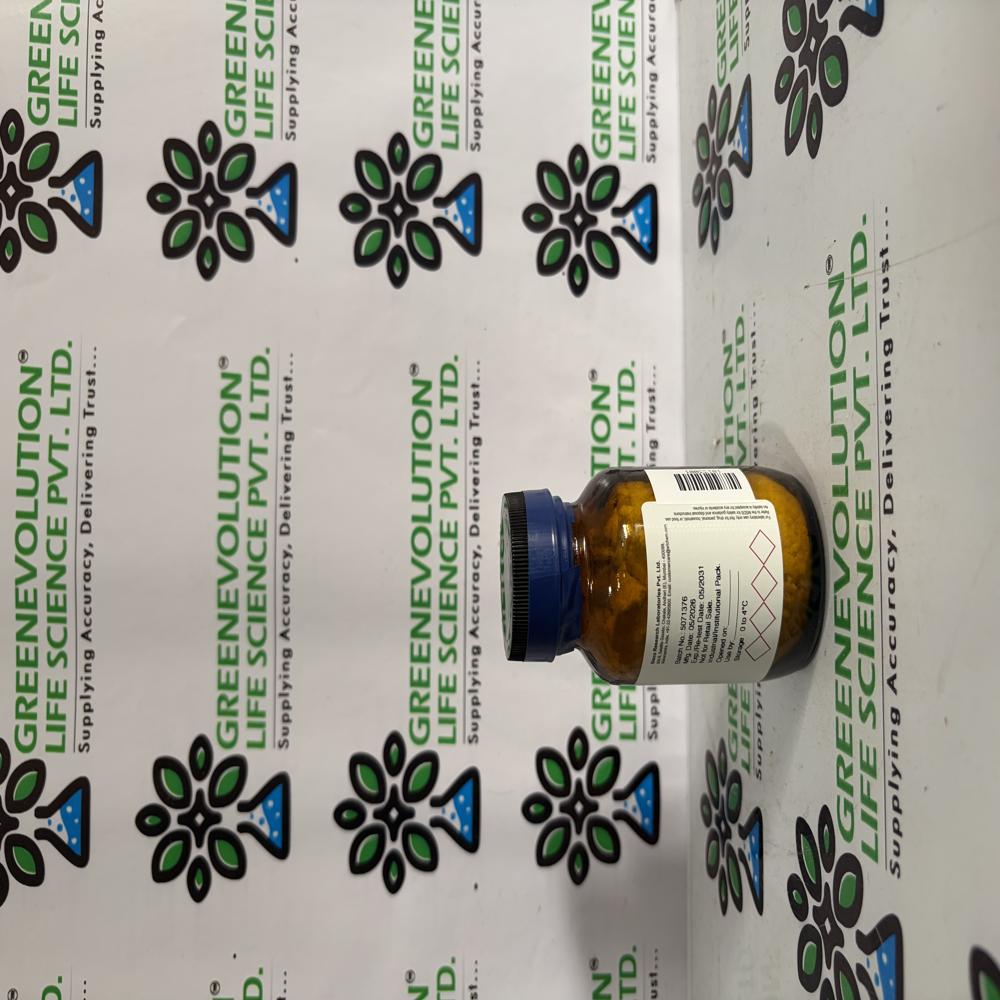
- Shelf Life
- Refer to the manufacturer s label and expiry or retest date Months
- Usage
- Laboratory reagent for coupling and crosslinking reactions
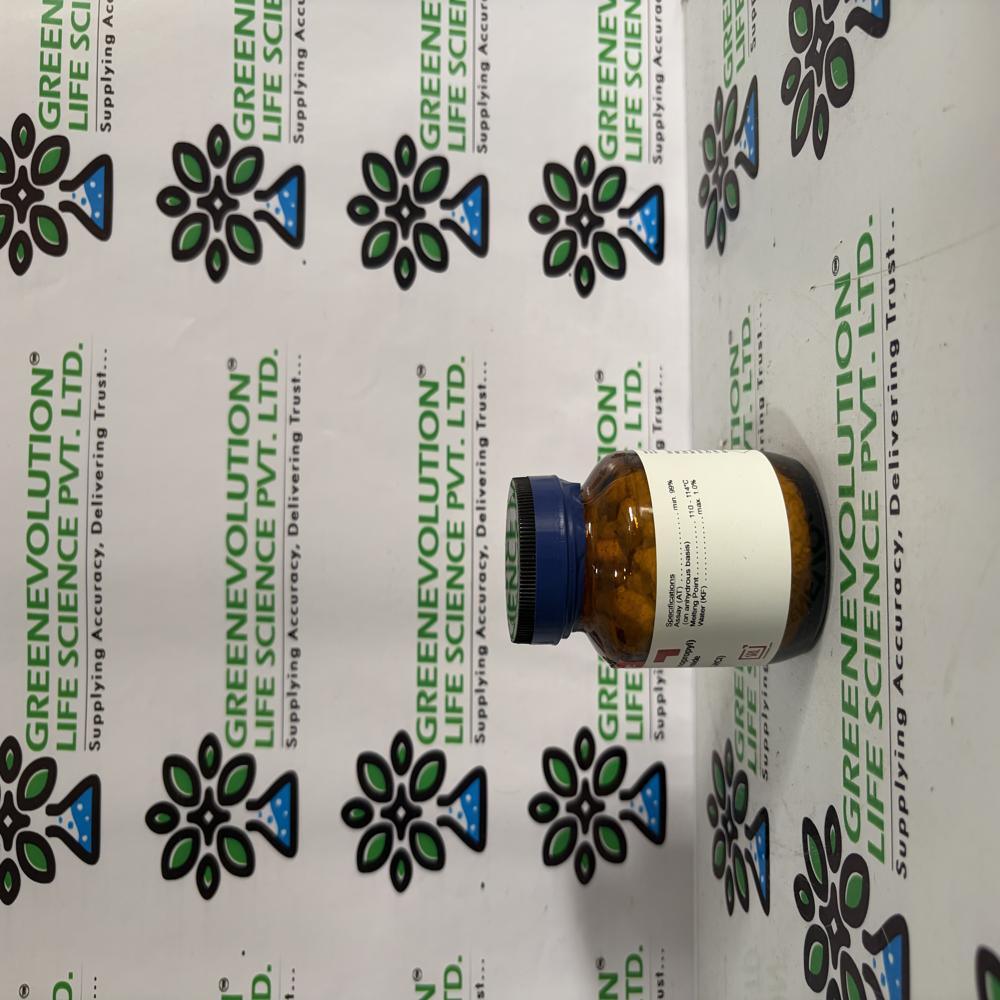
- Melting Point
- Approximately 110 115 C; verify product-specific data
- Boiling point
- Not applicable; may decompose on heating
- Packaging Type
- Manufacturer-sealed chemical container
- Application
- Peptide synthesis, amide bond formation, protein conjugation, and biochemical crosslinking
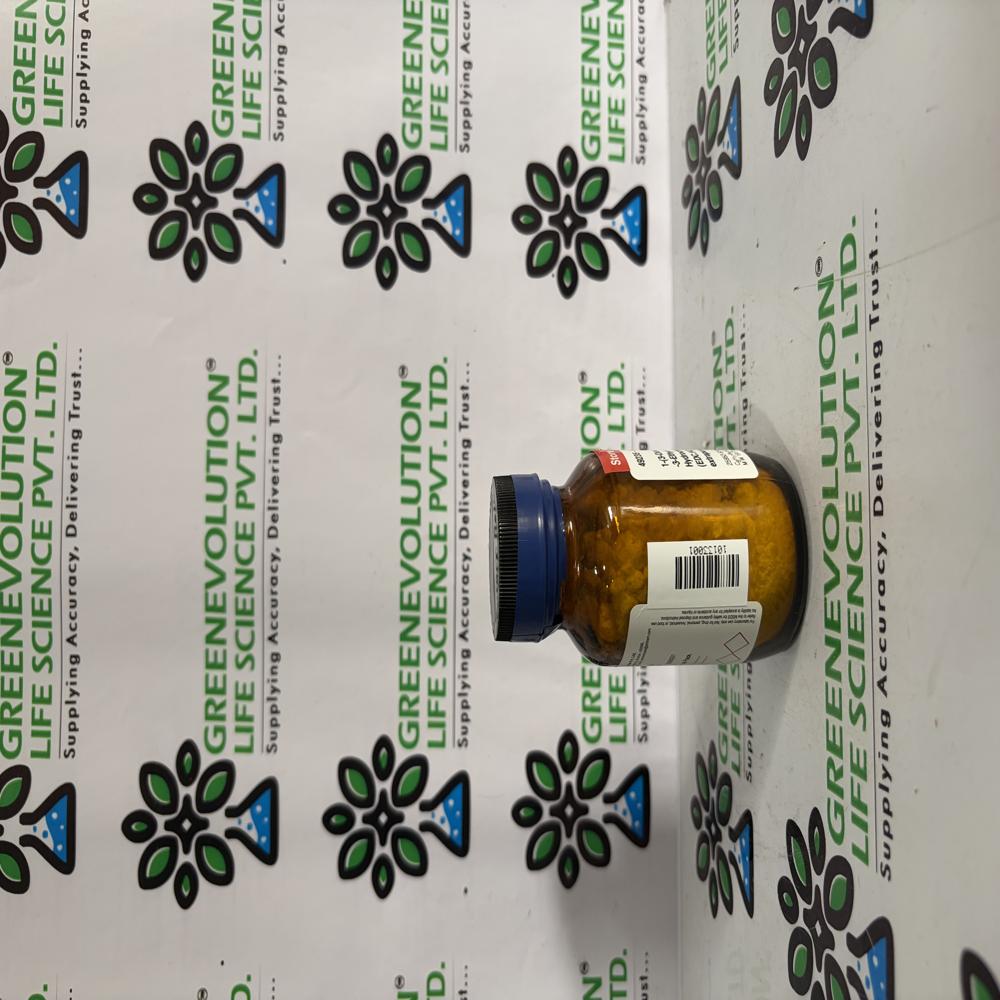
- Appearance
- White to off-white crystalline powder
1-(3-Dimethylaminopropyl)-3-Ethyl Carbodiimide Hydrochloride (EDC.HCl, EDAC.HCl) extrapure, 99% Trade Information
- Minimum Order Quantity
- 1 Kilograms
About 1-(3-Dimethylaminopropyl)-3-Ethyl Carbodiimide Hydrochloride (EDC.HCl, EDAC.HCl) extrapure, 99%
1-(3-Dimethylaminopropyl)-3-Ethyl Carbodiimide Hydrochloride, commonly known as EDC.HCl or EDAC.HCl, is a water-soluble carbodiimide coupling reagent used in organic synthesis, biochemical research, and laboratory applications. It facilitates the formation of amide bonds between carboxyl groups and primary amines, making it useful in peptide synthesis, protein conjugation, and biomolecule immobilization. EDC.HCl is also widely used in crosslinking reactions involving proteins, peptides, and other functional molecules. The extrapure grade with a specified assay of 99% is intended for applications requiring high-purity laboratory reagents. The compound is generally supplied as a white to off-white crystalline powder and is sensitive to moisture, which can affect its stability and performance. It should be handled using suitable laboratory protective equipment and stored in a tightly closed container under the conditions specified by the manufacturer. Always consult the product label, Certificate of Analysis, and Safety Data Sheet for verified specifications and handling requirements.






 Send Inquiry


 Send Inquiry


 Send Inquiry
 Send SMS
